



Partners will force Ukraine to truce, even if counteroffensive succeeds, - Guardian
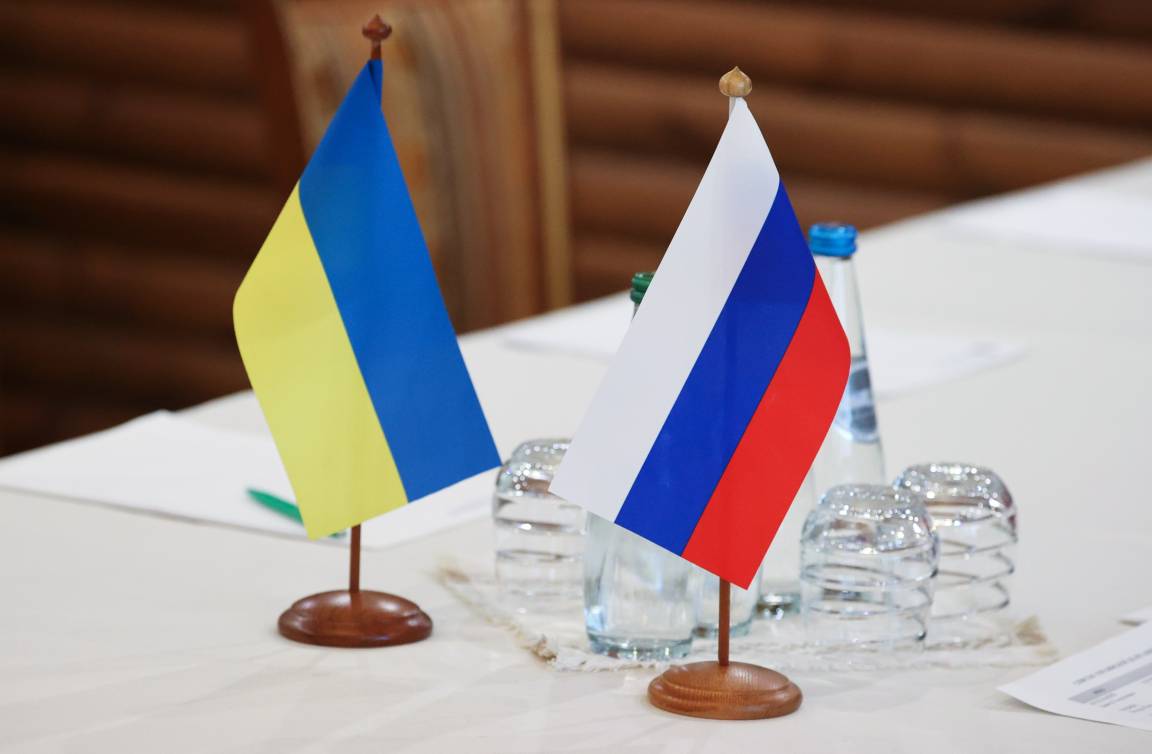
Ukraine’s partners are beginning to push for a ceasefire or a "durable truce".
This is stated in a column by The Guardian 's international news editor Simon Tisdall, Censor.NET reports.
He is convinced that in the course of a counter-offensive, Ukraine will be able to regain some, perhaps even most, of the occupied territories, but that Russia's significant forces, which are firmly entrenched in Donbas and Crimea, will not allow the liberation of all Ukrainian lands.
Given the huge losses and destruction, as well as the lack of weapons, Kyiv's Western partners may begin to persuade Ukraine to a ceasefire or a "prolonged truce". China will also take part in the negotiations.
At the same time, Zelensky may be forced to postpone his attempts to restore the status quo of 2014. In such a scenario, Ukraine's accession to the EU would be delayed, and NATO membership would be even more difficult. The final "peace process" could take years, with a constant risk of renewed war.
If such a scenario is implemented over the next year, the Guardian editor writes, many Ukrainians will inevitably feel betrayed, US President Joe Biden will not be able to fulfil his promise, and Vladimir Putin will remain in power.
Nevertheless, according to the British journalist, such an outcome looks increasingly likely: "A ceasefire would stop the slaughter, prevent an escalation with nuclear weapons between Russia and NATO, alleviate the global economic, energy and food crises, and bring some peace. Many in Europe and the South would vote for it right now."
However, such a compromise is not generally a necessary outcome. In theory, either side could win a decisive victory. But it is much more likely that the war will enter a "bloody and expensive stalemate that will drag on for years". No one is happy with this prospect, except perhaps China and arms manufacturers.
The author also quotes other observers who believe that many senior officials in the Biden administration understand this brutal reality, no matter what they say in public.
The Pentagon's assessments of Ukraine's prospects and the US elections, published in leaked documents, only confirm that negotiations may be moving forward this autumn.
Among Western European partners, the UK is the most steadfast in defending the full return of Ukraine's territorial integrity. But in other circles of the EU, the pressure to move towards negotiations is growing, the Guardian editor concludes.
"It is clear that Ukrainian leaders have only a few months to push back against the Russians before the still largely tacit but rising international pressure to start negotiations - whether they want to or not - becomes overt and potentially irresistible. Putin probably knows this. This gives him an additional incentive not to give in," the journalist believes.
Volodymyr Zelenskyy is aware of the mood of his allies, but continues to adhere to a "maximalist position" - every inch of the occupied territory must be liberated. "To end the pain and suffering, Ukrainians may soon be asked to swallow a very bitter pill," Tisdall concludes.


