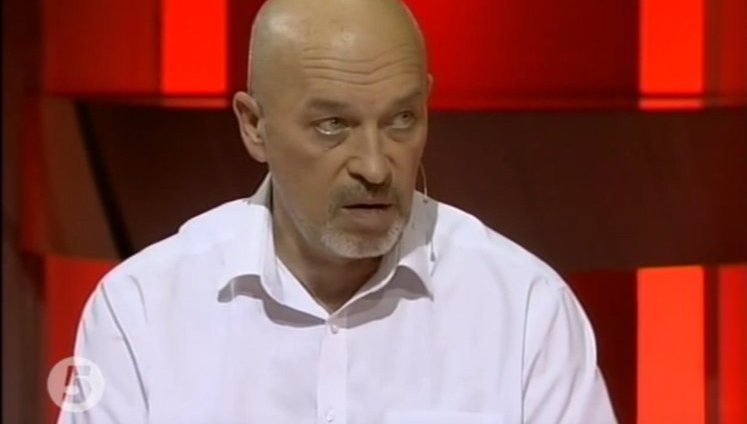
Heorhii Tuka, Deputy Minister of Temporarily Occupied Territories and IDPs, is a key figure in Ukraine's political landscape. His statements reflect Ukraine's ongoing struggle with Russian influences over occupied territories like Donbas and Crimea. Tuka has underscored the economic erosion Russia faces, affecting funding to "DPR"/"LPR" terrorists, and criticized investments in Crimea. He anticipates Ukraine's eventual reclamation of Donbas, emphasizing the need for strategic planning and reintegration processes. Tuka is vocal about international organizations' roles and the challenges posed by entities like the "LPR". His firm stance on territorial integrity and resource rights, including planned legal action against Russia's resource extractions in the Black Sea, is pivotal. His insights into elections, the disengagement of troops, and the socio-economic impacts on the region underline his significant contribution to Ukraine's policies and strategies in this fraught geopolitical environment.
Who is Heorhii Tuka, and what position does he hold in Ukraine?
Heorhii Tuka is the Deputy Minister of Temporarily Occupied Territories and Internally Displaced Persons in Ukraine. He is a significant political figure addressing the challenges and strategies related to regions affected by the conflict with Russia, such as Donbas and Crimea.
What has Heorhii Tuka said about the economic impacts on "DPR"/"LPR" terrorists?
Heorhii Tuka has noted that there has been a significant decrease in funding for "DPR" and "LPR" terrorists over recent months. He attributes this to the broader economic challenges and capital erosion experienced by Russia due to ongoing conflicts and sanctions.
What are Tuka's views on Ukraine reclaiming the Donbas region?
Heorhii Tuka is optimistic about Ukraine's potential to retake the Donbas region. He has expressed confidence that Ukraine will regain control of Donbas by 2018 and emphasizes the importance of meticulous planning followed by a period for reintegration and local governance restoration.
How has Tuka responded to international involvement in the blockade or crisis management in Donbas?
Tuka has been critical of the international community's efforts, especially when attempts at resolving infrastructure issues, like water supply, are obstructed by political disagreements with self-proclaimed authorities. He stresses the role international bodies can play but acknowledges the complexities involved.
What legal actions has Heorhii Tuka proposed concerning Russian activities in the Black Sea?
Heorhii Tuka has suggested that Ukraine intends to file a legal claim against Russia for the unlawful extraction of mineral resources in Ukraine's maritime zones. This move aims to assert Ukraine's sovereign rights and address unauthorized exploitation of its resources.
What stance has Tuka taken on troop disengagement in areas of conflict in Ukraine?
Tuka supports strategic disengagement in conflict zones to prevent further escalations. However, he remains firm that disengagement should not lead to increases in the grey areas and emphasizes the need for thorough monitoring and control of these processes.
How has Heorhii Tuka addressed the issue of internally displaced persons in Ukraine?
Tuka has been instrumental in initiatives like the launch of an electronic register to better manage and support internally displaced persons in Ukraine. His focus is on streamlining assistance and ensuring that the displaced population receives adequate resources and attention.