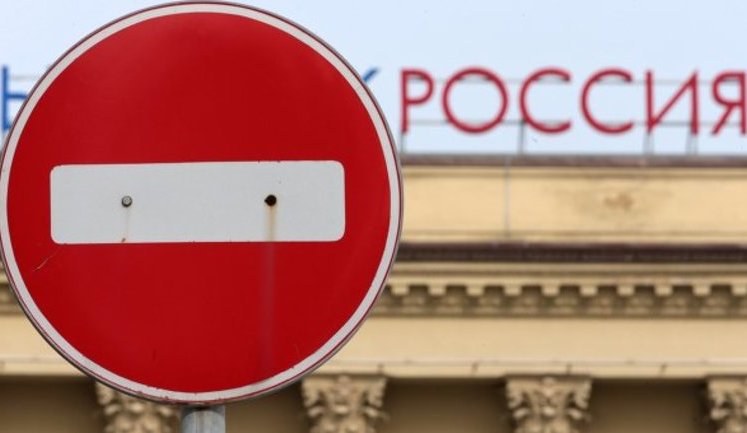
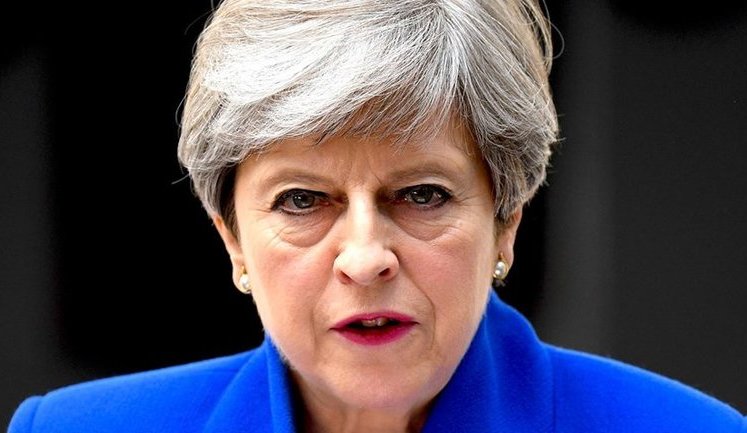
The Skripal Serhii case continues to be a focal point in international relations. Sergei Skripal, a former Russian spy, was poisoned in Salisbury, leading to widespread allegations against Russian intelligence. British authorities swiftly accused Russian agents of involvement. The investigation identified the suspects as operatives of Russia's GRU, with Bellingcat revealing the real identities behind the aliases used. This prompted multiple countries to expel Russian diplomats and impose sanctions. The case underscored Russia's purported use of chemical weapons and sparked a diplomatic rift, drawing statements from world leaders and investigative bodies. These developments highlight the significant role intelligence services play in global security.
What led to international sanctions against Russia related to the Skripal case?
International sanctions were spurred by the poisoning of former Russian spy Sergei Skripal and his daughter in Salisbury using a nerve agent. The UK and allies blamed Russia, identifying suspected GRU agents as responsible. The global community reacted sharply, expelling diplomats and imposing sanctions to hold Russia accountable and deter further violations of international norms.
Who are the key suspects in the Skripal poisoning identified by investigators?
Key suspects in the Skripal poisoning were identified as GRU operatives using the aliases "Alexander Petrov" and "Ruslan Boshirov." Investigations later revealed their real identities as Russian military intelligence officers, notably Colonel Anatoliy Chepiga and Dr. Alexander Mishkin. Their involvement was supported by extensive photographic and travel evidence.
How has the Skripal poisoning impacted UK-Russia relations?
The Skripal poisoning severely strained UK-Russia relations, prompting the UK to lead diplomatic actions against Russia, including the expulsion of Russian diplomats across allied nations. It escalated tensions, leading the UK to reinforce its national security stance, and highlighted broader concerns about Russia's alleged state-sponsored attacks on foreign soil.
What role did Bellingcat play in the Skripal case investigation?
Bellingcat played a pivotal role in the investigation by uncovering the true identities of the suspects involved in the Skripal poisoning. Their investigative journalism relied on open-source intelligence to track the suspects' activities and affiliations, providing key insights and corroborating information that supported official investigations and reinforced the UK's allegations against Russian agents.
How did the international community respond to the Salisbury nerve agent attack?
The international community responded to the Salisbury nerve agent attack by condemning Russia and expressing solidarity with the UK. Actions included the coordinated expulsion of Russian diplomats by several countries, enhancing sanctions, and reaffirming commitments to counter intelligence threats and uphold international laws prohibiting chemical weapons use.
Why was the Salisbury poisoning termed as a rogue operation by some analysts?
Some analysts suggested the Salisbury poisoning might have been perceived as a rogue operation due to its audacious nature and potential deviation from normal espionage protocols. However, UK authorities and subsequent investigations largely concluded it was state-sanctioned, orchestrated by the GRU, and probably approved at the highest levels of the Russian government.
What implications did the Skripal poisoning have on global intelligence operations?
The Skripal poisoning highlighted vulnerabilities in global intelligence operations, subsequently prompting heightened security measures and intelligence cooperation among countries. It revealed the reach and tactics of Russian intelligence services and underscored the necessity for robust counter-intelligence strategies to protect national security and counteract state-sponsored espionage and terrorism.
In what ways did the Skripal case influence UK domestic policy?
The Skripal case profoundly influenced UK domestic policy, leading to increased funding and support for counter-terrorism efforts, enhanced legislation to curb espionage, and a reassessment of the UK's national security priorities. It also strengthened resolve against foreign meddling and espionage, fostering resilience and collaboration in intelligence operations.
Has the Skripal poisoning case affected Russia's international relations?
The Skripal poisoning case vastly affected Russia's international relations, isolating the nation diplomatically and heightening mistrust worldwide. This incident, perceived as an assault on Western soil, prompted sustained economic and diplomatic retaliation, thus exacerbating Russia's reputation as a belligerent state and impacting its engagements with Western countries markedly.