


New pretext for war: Russia is waging information campaign against NATO’s eastern flank, - Tykhyi
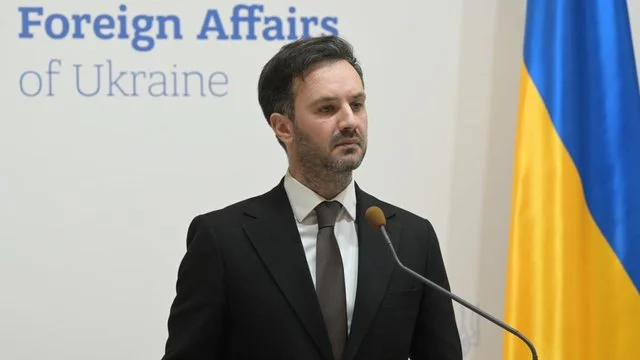
Russia is already creating the necessary conditions and conducting a propaganda campaign in preparation for a possible military attack on the states on NATO’s eastern flank.
According to Censor.NET, citing RBC-Ukraine, this statement was made by Heorhii Tykhyi, a spokesperson for the Ukrainian Ministry of Foreign Affairs, during the presentation of a report by the Centre for Countering Disinformation.
The Kremlin’s old playbooks and diplomatic ultimatums
According to a Ukrainian diplomat, it is currently impossible to determine with certainty whether Moscow will dare to launch a direct attack, but the process of creating the conditions for this is already underway. The Foreign Ministry cites Russia’s return to the language of diplomatic ultimatums as one of the most dangerous signs. The Russian leadership is once again attempting to force discussions on the so-called new security architecture in Europe. This echoes the events of December 2021, when Moscow demanded that NATO withdraw to its 1997 borders.
Heorhiy Tykhyi explained that the Russians are following their usual pattern of creating a pretext for war: first, they make demands that they know are impossible to meet; when these are rejected, they use that rejection as a justification for launching an attack.
"No one really knows whether there will be an invasion of these countries or not, but it is absolutely clear that the conditions are being created and that certain preparations are under way in terms of information," emphasised Heorhii Tykhyi.
The diplomat also rejected the idea of establishing new security rules in Europe, as all the fundamental agreements have long been in place and are enshrined in the Helsinki Final Act and the Paris and Istanbul Charters. Russia personally signed each of these three documents, yet it was Russia itself that violated them.
Kyiv’s position and internal disputes within the Alliance
Ukraine’s Minister for Foreign Affairs, Andrii Sybiha, has already raised this issue during international meetings, calling on allies to respond seriously to the Kremlin’s disinformation campaigns. The Ukrainian government insists on a clear sequence of diplomatic steps:
-
First, there must be a ceasefire in Ukraine;
-
negotiations must then take place on security guarantees and a peaceful settlement for Ukraine;
-
and only then can we discuss security guarantees for the rest of Europe, rather than the other way round, as Russia demands.
Earlier, on 15 November, Andrii Sybiha sharply criticised Moscow’s desire to rewrite the rules of European security. According to him, the Russian dictator Vladimir Putin imagines himself in Yalta in 1945, even though Russia has not achieved a single objective in the war against Ukraine and has no right whatsoever to dictate new terms. Moscow has stepped up its attempts to put pressure on the Alliance against a backdrop of internal tensions within NATO itself, where disputes continue amongst allies over defence spending and the war in Ukraine.


