


Russian naval flotilla turned back on its way to Libya following Ukraine’s attack on corvette "Mercury," - media
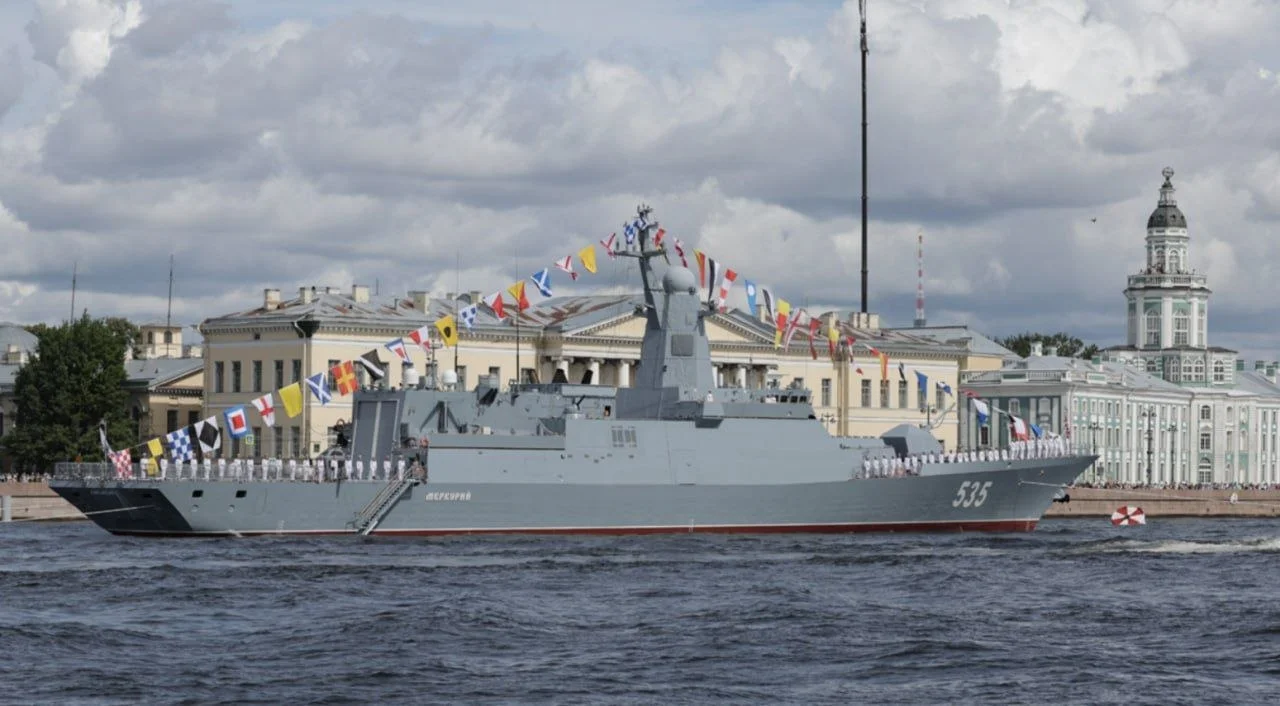
A Russian convoy carrying military equipment to Libya changed course in the Mediterranean Sea following a Ukrainian attack on the Russian corvette "Mercury" and the dry cargo ship MV ANGARA in the port of Benghazi on November 22.
Reuters reported this, citing three sources in the military and security agencies, according to Censor.NET
The convoy turned back near the Strait of Sicily
According to the agency, the convoy escorting the Russian Navy frigate "Golovko" turned back near the Strait of Sicily on the same day the attack in Benghazi took place, said a European military official who was monitoring the convoy. The strait is a key chokepoint off the coast of North Africa.
A representative of Ukrainian military intelligence and a separate representative of Middle Eastern security services, both familiar with the situation, confirmed that the flotilla had changed course and was no longer heading toward Libya.
According to a European official, the convoy was last spotted on November 25 near Algiers; its next destination is unknown. A source in the Middle East said the ships had suspended their voyage in the Mediterranean Sea.
Reuters reports that the change in course indicates how Russia is trying to protect its naval forces following an attack by a Ukrainian maritime drone that sank a Russian warship approximately 2,000 km from the theater of operations in Ukraine.
What is known about the ships
According to the MarineTraffic platform, three ships in the second convoy (the Russian-flagged cargo ships and Ro/Ro vessels "Maia 1," "Lady R," and "Lady D") last reported their coordinates around November 12 in the Bay of Biscay. Their operators, the Russian companies "Sovfracht" and "MG-Flot," are subject to EU and U.S. sanctions. The convoy departed from Kaliningrad on November 5.
A European official said that the corvette "Mercury" was escorting a cargo ship carrying military equipment to Libya, which began loading on October 13, just as the convoy turned back.
According to European and Middle Eastern sources, the equipment was likely intended for Russia’s African Corps in West Africa, although some of it may have been destined for the Libyan National Army.
A Western maritime security source reported that some of these vessels had previously been used on "Syrian Express" runs—auxiliary commercial vessels that supplied military equipment to Bashar al-Assad’s regime.
Attacks on Russian Ships in Libya
- As a reminder, on November 22, a powerful explosion rocked the port of Benghazi in Libya, after which a massive fire engulfed a Russian warship.
- It was reported that the missile corvette "Mercury," valued at approximately $200 million, may have been destroyed as a result of the incident.
- Later, Ukrainian President Volodymyr Zelenskyy confirmed that Ukrainian naval drones had sunk the corvette "Mercury," which had a Ka-27 helicopter on board, near the port of Benghazi. The dry cargo ship MV ANGARA, which is subject to sanctions and was used by Russia to transport weapons, was also struck.
- On November 23, the Libyan Ministry of Foreign Affairs (the government in Tripoli) condemned the Ukrainian president’s statements regarding the operations near Benghazi and called on Kyiv to provide an official explanation.
- Musa al-Kuni, a member of the Libyan Presidential Council, stated that the Ukrainian strikes on Russian ships in the port of Benghazi were tantamount to a declaration of war against Libya. He accused Ukraine of violating the country’s sovereignty and called on the UN Security Council to hold an emergency meeting.
- In particular, he also proposed adding Ukrainian President Volodymyr Zelenskyy to the list of individuals linked to terrorism and called on Libya’s joint military committees to hold urgent meetings to determine further actions.
- On November 24, the Ukrainian Ministry of Foreign Affairs responded to the Libyan leadership’s statement, emphasizing that Ukraine is exercising its right to self-defense and that its actions are directed against Russian aggression, not against third countries.
- Subsequently, Italian Prime Minister Giorgia Meloni warned against the war spreading to the Mediterranean Sea.


