



Underestimating work of Mavics is one of key factors that enables enemy to carry out infantry infiltration
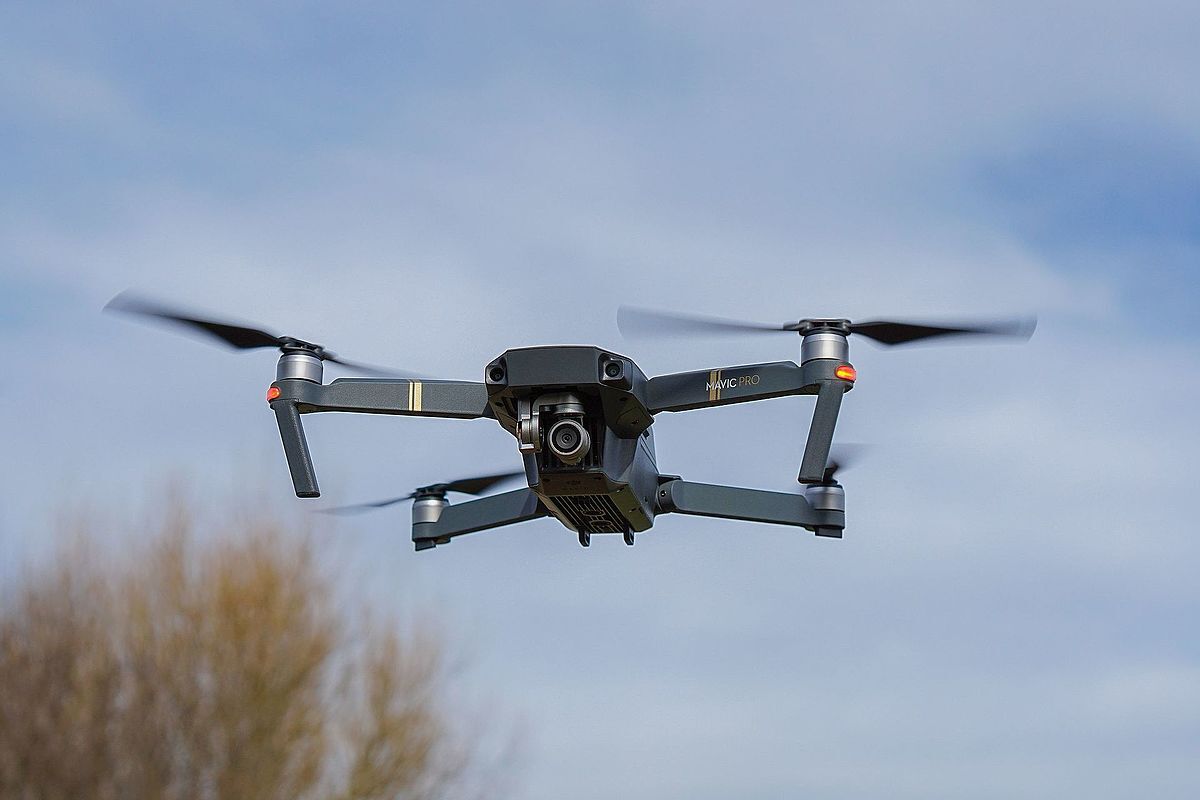
Some time ago, at one sector of the front, I established coordination with UAV units of one brigade where the enemy managed to breach our defenses and penetrate to a significant depth. In the view of some commanders, the reason for the breakthrough was that the infantry was weak and did not engage in combat.
I assessed the performance of reconnaissance Mavic positions, then went out to the brigade’s positions and talked with the pilots.
This is the picture that emerged. The map shows more than ten of the brigade’s Mavic positions. But they provide only 1.5 to 7 hours of live feed per day. That is very little. The range is insufficient; in practice, reconnaissance is conducted at a distance of up to 7 km.
The reasons turned out to be as follows:
1. Systemic sustainment shortfalls: most of the equipment needed to keep things running, power batteries, generators, cables, antennas, dual batteries, pigtails, has to be purchased by the pilots themselves at their own expense. As a result, someone is always missing something somewhere.
2. Problems with organizing aerial reconnaissance: two pilots work at positions. This creates a nominally high number of positions, but the workload on the pilots is too heavy, people need to eat, sleep, and handle other tasks, so the positions often are not operating.
3. Technical support problems. Some crews, trying to hide from enemy drones, position antennas in a way that interferes with the equipment, but they explain the poor performance solely as the impact of EW and do not analyze the technical causes. The drones stay in the air for less time than they could and are lost faster due to the lack of attention to the reasons behind these incidents.
What does this mean? It means that aerial reconnaissance is present on the map, but in reality, it is ineffective and allows enemy infantry to infiltrate freely. There is no reconnaissance of distant reference points or of enemy drone positions; the enemy moves its pilot positions closer and increases the effectiveness of its actions; there is no control over buildup routes; there is no continuous observation of approaches to our positions; and there are major gaps in observation coverage for extended periods. Some key points that need to be monitored are not controlled at all.
One of the major reasons behind the enemy’s successful advances across many sectors of the front is the lack of attention to the quality of tactical reconnaissance organization. Inspectors check which observation post the infantry is at and where, but they do not check how Mavic operations are organized. A significant number of strike UAV units from various structures that hunt the enemy across different sectors of the front also lack full-fledged Mavic units capable of organizing reconnaissance in their own sector. Infantry brigades are often not resourced to build effective aerial reconnaissance. This is exactly what the enemy exploits.
It is encouraging that the brigade I visited has now begun addressing these problems. An experienced Mavic operator sergeant from another unit, who understands the situation, has been appointed as the new UAV commander. The brigade found the funds to purchase the necessary equipment and has made the procurements; the items will start arriving soon. The number of Mavic positions was reduced, and the number of operators at each position was increased to three, which has significantly improved performance.
For me, the primary criterion for assessing the front’s combat effectiveness is the quality of organization and management of Mavic positions.
A commander who does not know how his Mavics work does not know how his own battle formations and those of the enemy are structured.
Yurii Butusov, Censor.NET


