



Battles for Kupiansk
On Christmas, we were operating in Kupiansk. Ukrainian soldiers are clearing the area house by house despite fierce enemy resistance.

Putin and Gerasimov, who claimed the city had been taken, are nowhere to be seen. Putin said he would invite foreign journalists to Kupiansk, but he lied about that, too; even Russian generals and Z bloggers are afraid to set foot here. Russian soldiers are hiding in basements like rats and do not move around openly. A hard, painstaking effort is underway to track them down and eliminate them.
Russian drones are constantly in the air, so movement is only possible from shelter to shelter in those moments when the drones move away.
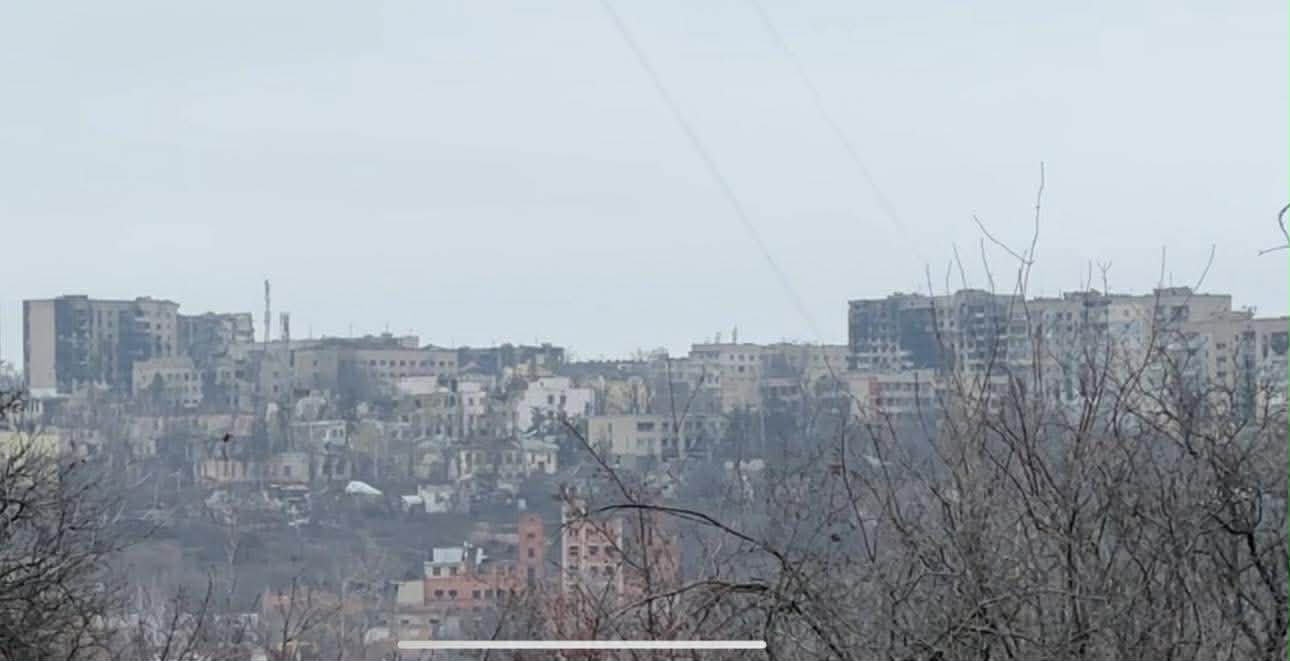
The troops of the Khartiia brigade continue to operate actively in their sector. The brigade’s assault battalion of foreign volunteers, the Reconnaissance-Strike Group (RSG), commanded by Captain Hamlet Avahian, has been particularly notable.
The Russian 6th Army is trying to rescue encircled Russian units in Kupiansk by attempting to carve out a ground corridor again, but the attacks are repelled daily with heavy enemy losses.
Junior Lieutenant Andrii Ishchenko
The real heroes of the fighting for Kupiansk are those who broke through the Russian kill zone and drove the enemy out of the northern outskirts.
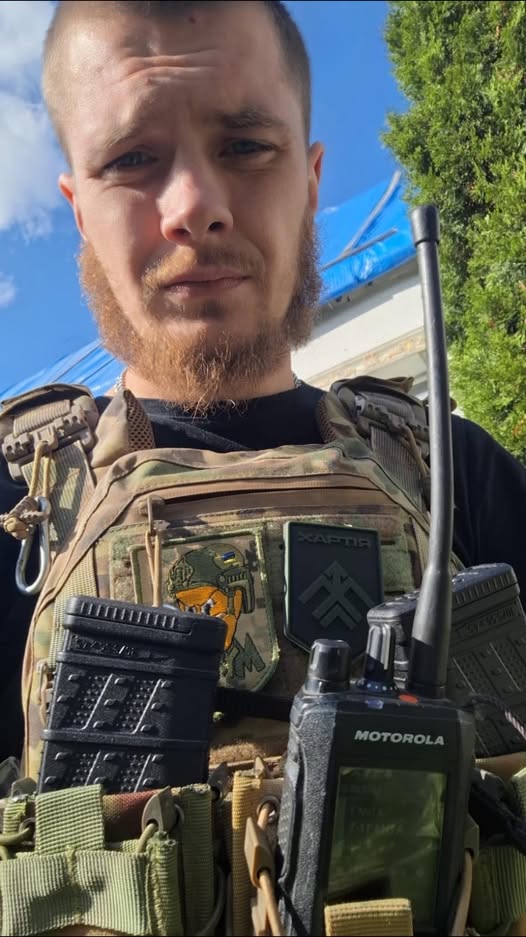
The main hero of the rout of a Russian company's defensive area and the liberation of the village of Radkivka was this soldier: Junior Lieutenant Andrii Ishchenko of the 13th Khartiia brigade, callsign "Hrom".
The first two attempts to attack the Russians were repelled. The enemy maintained tight surveillance and drone strikes, and it seemed simply impossible to reach the target of the assault, a large forested area. Then "Hrom," who had taken part in dozens of assaults during the war and had just been appointed as deputy battalion commander, said he would personally lead the assault groups and carry out the mission to maintain the operation’s tempo and to prevent the enemy from reinforcing its defenses
There were two assault groups: one of Colombians and the other of Brazilians. At first, "Hrom" rushed into the forest with the Colombians, and they cleared dugout after dugout for five days straight. When the Colombians were exhausted, he ordered a withdrawal, but stayed in the forest with one Ukrainian, Lieutenant Nazarenko.
Then a group of Brazilians moved into the forest, and "Hrom" spent another five days clearing dugouts in the other half of the woods. They fought with captured weapons, with engagements at distances of as little as 2–3 metres. Junior Lieutenant Ishchenko cleared the entire forest completely, and all Russian infantry there was eliminated.
"Hrom" was wounded during the fighting in the forest, and after the mission was completed, he was seriously wounded in a drone strike. A true hero who, in this war, rose from a soldier to a deputy battalion commander and demonstrated extraordinary leadership and battlefield results.
It is an honour for me to have known "Hrom" since May 2024, from the fighting for Kharkiv. I am convinced that people like him are what determine the combat capability of the Defense Forces, should serve as an example, and are worthy of Ukraine’s highest awards.
Yurii Butusov, Censor.NET


