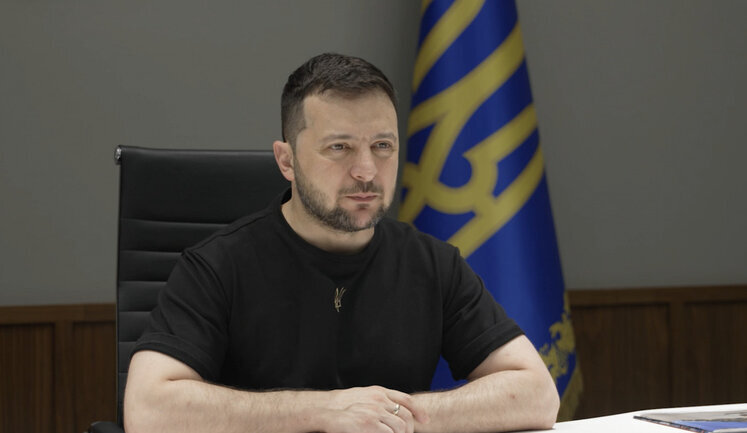
During the Asian Security Summit "Dialogue Shangri-La," Ukrainian President Volodymyr Zelensky accused Russia of stealing the remaining functional trolleybuses in Mariupol. This accusation comes as part of broader claims regarding the appropriation of Ukrainian resources amid the ongoing conflict. Zelensky highlighted the incident to emphasize the gravity of the situation and the extensive economic repercussions for Ukraine due to these actions. Such developments paint a bleak picture for the city's infrastructure and underscore the continuing challenges faced by Ukraine as it navigates through the turmoil of war. The theft of assets like trolleybuses is just one example of the broader consequences on Ukraine’s public services amidst ongoing tensions.
What did Zelensky say about trolleybus theft in Mariupol?
President Zelensky accused Russia of stealing trolleybuses in Mariupol. He mentioned this during the Asian Security Summit, labeling it as part of broader resource appropriations during the conflict.
How does the trolleybus theft affect Mariupol's infrastructure?
The theft of trolleybuses significantly impacts Mariupol's infrastructure by diminishing public transport options, which are already limited due to ongoing conflict, thereby affecting daily commuting and economic activities.
What is the Asian Security Summit "Dialogue Shangri-La"?
The Asian Security Summit "Dialogue Shangri-La" is an international forum where leaders discuss regional security issues. President Zelensky used this platform to bring attention to the Mariupol trolleybus theft incident.
Why are trolleybuses important for Mariupol?
Trolleybuses are vital for Mariupol's public transport, offering an environmentally friendly and cost-effective mode of transportation. Their theft disrupts daily life and complicates recovery efforts amidst the war.
What are the broader implications of asset theft in conflict zones?
Asset theft in conflict zones, like the trolleybuses in Mariupol, highlights the socioeconomic challenges faced by affected regions. It exacerbates infrastructure issues, hampers economic stability, and prolongs recovery efforts.