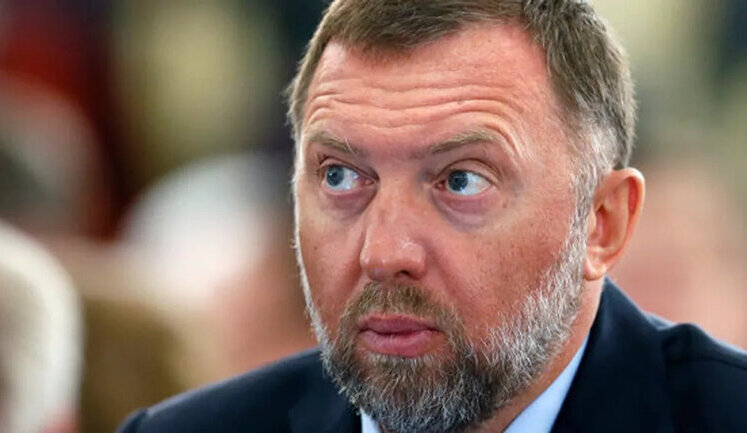
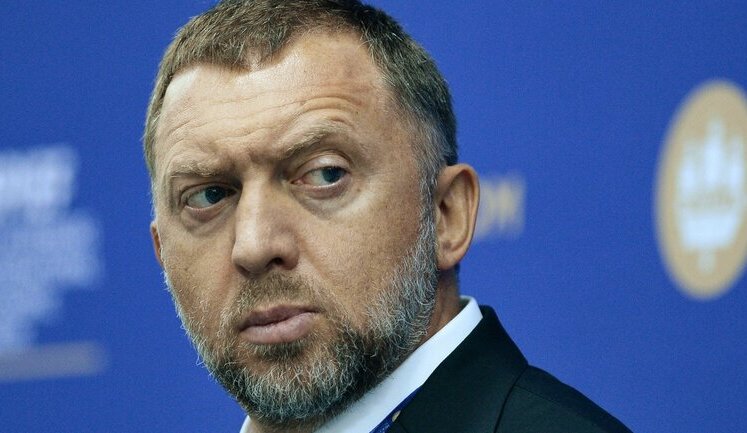
Ukraine's government continues nationalizing assets as part of its economic strategy and defense reinforcement amid ongoing conflict. Recently, the High Anti-Corruption Court's decision led to the nationalization of assets from Russian oligarch Oleg Deripaska amounting to over UAH 2 billion. This aligns with Ukraine's broader agenda of transferring critical resources to state ownership. Additionally, entities like Sense Bank, previously under Russian oligarch control, are now stabilized within the Ukrainian sector. These nationalization efforts are not only a response to sanctions but also aim to bolster Ukraine's fiscal capacity and defense sector by reallocating financial and industrial resources under state management.
What is the significance of Deripaska's asset nationalization in Ukraine?
The nationalization of assets belonging to Russian oligarch Oleg Deripaska is significant as it represents Ukraine's broader policy to reallocate oligarch and sanctioned entities' assets into state control, thereby enhancing the country's economic stability and reinforcing its defense systems amid ongoing geopolitical tensions.
How does the nationalization of Sense Bank affect the Ukrainian economy?
By bringing Sense Bank under state control, Ukraine stabilizes a key financial institution previously in the hands of Russian oligarchs. This move ensures the bank's operations contribute positively to the national economy, preserving depositor confidence and facilitating robust financial transactions amidst regional instability.
What impact does asset nationalization have on Ukraine's defense sector?
The transfer of strategic enterprise assets to the Ministry of Defense boosts Ukraine's defense capabilities significantly. It allows better resource allocation for defense needs, as assets like PJSC's "Ukrnafta" and others directly support military operations and resilience against external threats, enhancing national security.
How are these nationalization actions aligned with international law?
Ukraine's nationalization of assets is conducted legally within its national framework and is often upheld by court decisions as in the case of Deripaska. These actions comply with domestic laws and are part of broader efforts to secure and stabilize the economy during times of crisis, while also respecting international legal tenets regarding sovereignty and economic management.
Why does Ukraine focus on nationalizing Russian assets specifically?
Ukraine targets Russian assets for nationalization primarily due to ongoing hostilities and sanctions. This strategy serves to deplete hostile economic influence while reinvigorating national control over critical economic sectors, aligning with Ukraine's strategic priorities to secure its economic and territorial sovereignty against external aggressions.