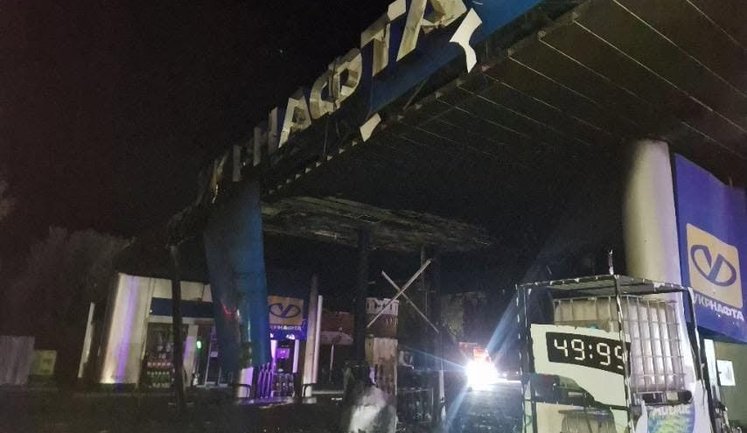
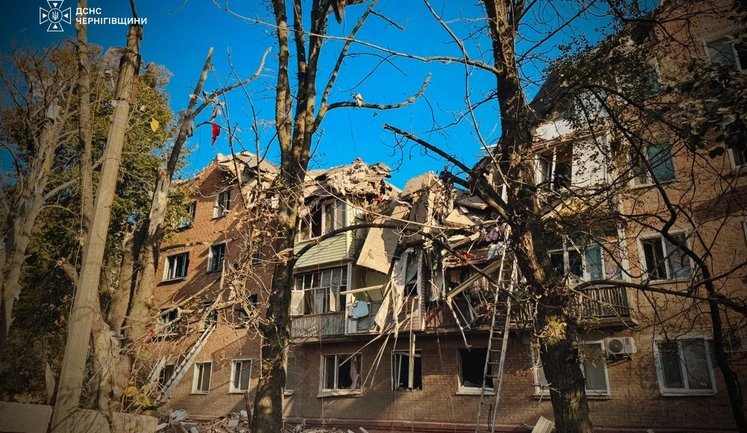
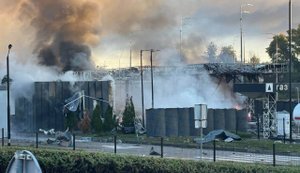
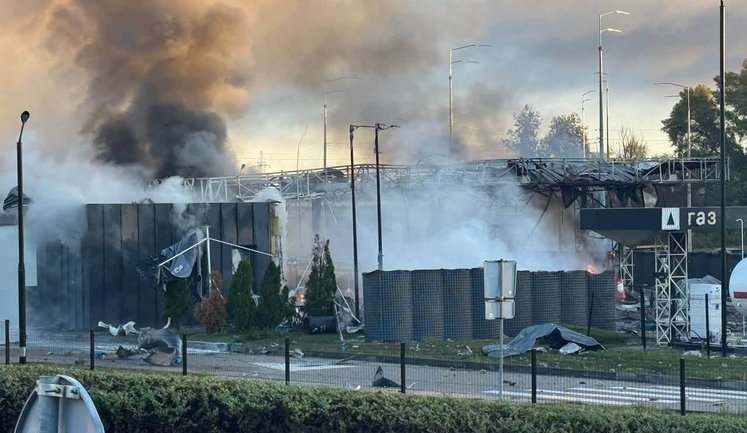
Ukrnafta, one of Ukraine's largest petroleum corporations, has been struck by Russia for the sixth time recently, reflecting escalating attacks on key infrastructure. These assaults are coupled with revelations of a significant embezzlement scheme, where 100,000 tons of petroleum products worth 2.8 billion hryvnias were misappropriated, uncovering corruption involving high-level officials. The dual pressure from military aggression and internal financial malfeasance underscores challenges faced by Ukrnafta, increasingly straining Ukraine’s economy and impacting global petroleum markets. In response, the government strives to stabilize prices amid geopolitical tensions.
What recent attacks have targeted Ukrnafta?
Recent attacks on Ukrnafta have included multiple strikes by Russian forces targeting vital petrol stations and production facilities. These assaults have caused significant damage and disruption to operations and reflect ongoing tensions impacting Ukraine’s oil industry, creating additional economic and operational burdens.
How is Ukrnafta connected to corruption cases in Ukraine?
Ukrnafta is a focal point in several corruption cases, with recent investigations uncovering a scheme to embezzle over 100,000 tons of petroleum products. Authorities have detained suspects and found illicit financial dealings involving high-ranking company officials, significantly affecting the company’s reputation and financial stability amidst these legal proceedings.
How has the government responded to attacks on Ukrnafta?
The government has implemented tighter controls and strategic measures to stabilize the fuel market in response to attacks on Ukrnafta. These actions aim to maintain fuel availability and mitigate economic shocks by reinforcing security and financial oversight, ensuring continuity and resilience in the face of conflict.
What are the economic impacts of the Ukrnafta strikes?
The repeated strikes on Ukrnafta's facilities have led to disruptions in fuel supply, escalating economic instability. These events have prompted government action to impose pricing controls and stabilize the market, highlighting the broader impact on the national economy and emphasizing the need for enhanced security and contingency planning.
What steps are being taken to address fuel market volatility?
In response to market volatility, the government has ordered tighter control over fuel pricing policies and engaged stakeholders in dialogue to address supply chain disruptions. These measures aim to prevent price spikes, ensure fuel supply stability, and promote fair market practices amid ongoing international tensions affecting the energy sector.