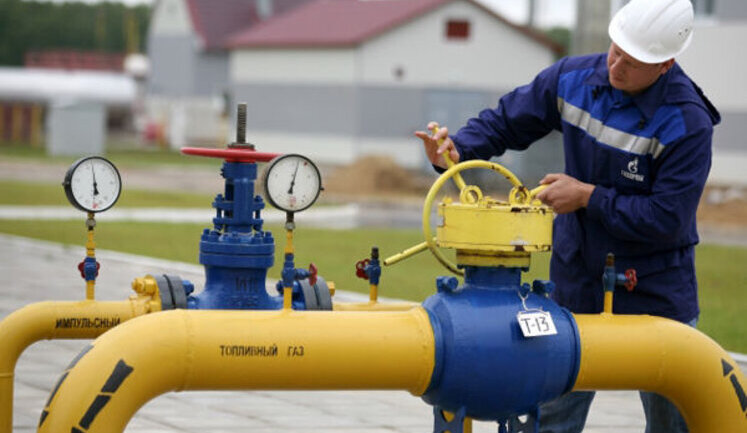
Ukrtranshaz plays a pivotal role in Ukraine's gas sector, significantly influencing its importing strategies, storage dynamics, and consumption patterns. Notably, Ukraine hasn't imported Russian gas for over 700 days, instead sourcing from western European countries like Slovakia, Hungary, and Poland. This strategic shift aligns with Ukraine's broader European integration goals. Concurrently, Ukrtranshaz manages crucial underground storage processes, transitioning from extraction to injection as seasonal demands change. Amid these developments, Ukraine's overall gas consumption has notably declined, evidencing enhanced efficiency and adaptation strategies. As geopolitical tensions with Russia persist, including potential provocations, Ukrtranshaz remains a cornerstone of energy security. The company's adaptability and strategic foresight are critical as Ukraine continues to navigate complex energy landscapes and regional dynamics.
What is Ukrtranshaz's primary responsibility?
Ukrtranshaz is responsible for managing Ukraine's gas transportation system, including the import, storage, and transit of natural gas. The company plays a crucial role in ensuring energy reliability and security for Ukraine by facilitating efficient gas transit routes, managing underground gas storage facilities, and adapting to changing sourcing strategies with European partners due to geopolitical tensions, such as the cessation of imports from Russia.
How has Ukraine adjusted its gas import strategy in recent years?
Ukraine has shifted its gas import strategy by ceasing the importation of Russian gas and instead sourcing from European countries like Slovakia, Hungary, and Poland. This change facilitates stronger ties with the European energy market and reduces dependency on Russian energy. The strategy demonstrates Ukraine's commitment to diversifying its energy sources amid ongoing geopolitical tensions with Russia and adapting to regional energy dynamics.
Has Ukraine's gas consumption changed over the years?
Yes, Ukraine's gas consumption has decreased significantly over recent years, with a notable drop of almost 16.5 billion cubic meters in the last five years. This decrease is largely due to enhanced efficiency measures and conservation strategies. However, while industrial and commercial use has declined, comprehensive data on household gas consumption trends remains limited, posing challenges for assessing overall consumption shifts.
How does Ukrtranshaz handle gas storage during different seasons?
Ukrtranshaz carefully manages gas storage by alternating between extraction and injection processes based on seasonal demand. During colder months, the company extracts gas to meet increased consumption, while in warmer months or following high-demand periods, it focuses on refilling or injecting gas into underground storage facilities to prepare for future needs. This strategic approach helps maintain energy reliability and ensures readiness for fluctuating demand.
Are there concerns regarding gas provocations from Russia?
Naftohaz, which closely works with Ukrtranshaz, identified the potential risk of provocations by Russia’s Gazprom, especially during severe cold spells. This concern highlights the geopolitical tensions influencing energy security in the region. Ukrtranshaz remains vigilant, continually adapting its strategies to counter possible disruptions and ensure uninterrupted gas supply. This vigilance is crucial amidst ongoing political and economic challenges.
What steps has Ukraine taken to improve its gas reserves?
Ukraine has focused on maintaining adequate gas reserves, with recent figures showing nearly 15.5 billion cubic meters in underground storage. These reserves are crucial for guaranteeing supply during peak demand periods. Strategic negotiations with European suppliers and efficiency improvements in consumption have supported these efforts, helping Ukraine maintain energy independence and stability even amidst complex regional relations.