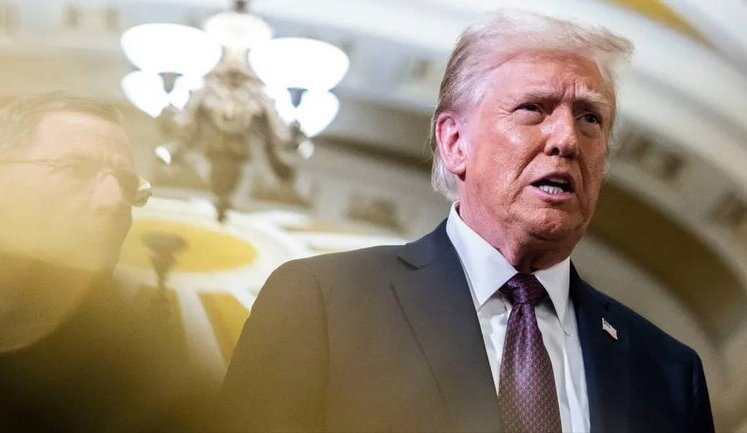
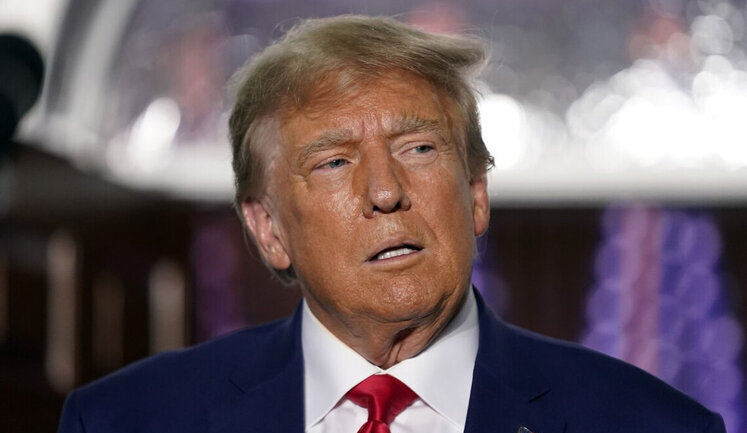
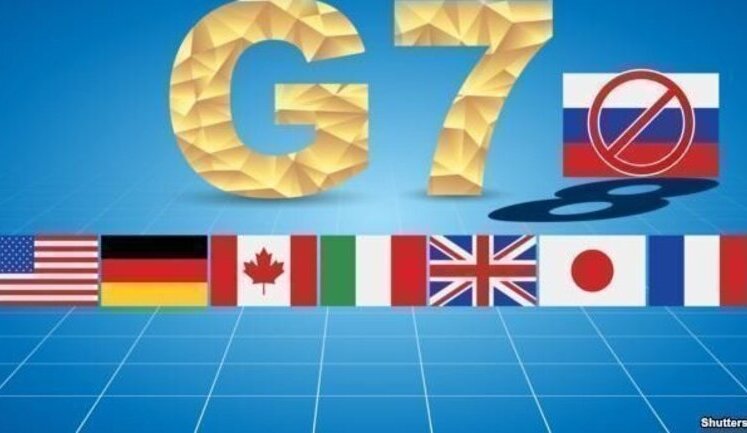
OPEC, the Organization of Petroleum Exporting Countries, plays a crucial role in determining global oil prices. Recently, US President Donald Trump suggested that a reduction in oil prices by OPEC could lead to a quick resolution of Russia's war in Ukraine. Trump has plans to negotiate with Saudi Arabia and OPEC to lower oil prices to pressure Russia into peace. The G7, comprising major Western economies, has also urged OPEC to help stabilize the energy market. Historically, OPEC's decisions have had significant repercussions on global energy dynamics, affecting economies worldwide. Understanding these interactions is key to comprehending the current geopolitical landscape and future energy policies.
How does OPEC influence global oil prices?
OPEC influences global oil prices by setting production targets for its member countries. By reducing or increasing oil supply, OPEC can impact oil prices worldwide. These decisions are influenced by market conditions, economic strategies, and geopolitical considerations. As a major supplier, OPEC's policies are closely monitored by several economies, making their meetings and resolutions critical events for global energy markets.
Why is the G7 interested in OPEC's oil strategy?
The G7 is interested in OPEC's oil strategy because their economies are heavily dependent on stable and affordable energy supplies. Different oil price levels can significantly affect these nations' economic stability and growth. By influencing OPEC's decisions, the G7 aims to stabilize the energy market, ensuring a balanced supply that supports economic growth while avoiding undue inflationary pressures on consumers.
What impact might OPEC's decisions have on the Russia-Ukraine conflict?
OPEC's decisions can indirectly influence the Russia-Ukraine conflict by affecting Russia's oil revenue, a vital part of its economy. If OPEC lowers oil prices, Russia's income may decrease, which could restrict its capacity to finance military operations. Thus, these decisions are considered part of broader diplomatic strategies aimed at pressuring Russia into reconsidering its geopolitical strategies, possibly leading towards peace negotiations.
What role does Saudi Arabia play within OPEC?
Saudi Arabia is one of the leading members of OPEC and has significant influence within the organization due to its substantial oil reserves and production capabilities. Its strategic decisions often set the tone for OPEC's broader policies. As a major exporter, Saudi Arabia's cooperation is crucial in implementing production cuts or increases, making it a key player in shaping oil price trends worldwide.
Why has OPEC been tolerating cheaper oil for extended periods?
OPEC may tolerate cheaper oil prices to maintain market share and pressure non-OPEC producers to cut their production. By sustaining lower prices, OPEC aims to test rivals' economic resilience, eventually leading to reduced output from higher-cost producers. This strategy protects OPEC's long-term interests by potentially driving competitors out and regaining control over price settings in the future.
How did past OPEC decisions affect the global economy?
Past OPEC decisions have significantly impacted the global economy by causing fluctuations in energy prices, which in turn affect inflation rates, transportation costs, and overall economic growth. Higher oil prices typically drive inflation, adversely impacting consumer spending and business costs. Conversely, lower prices can benefit consumers and economies by reducing energy and transportation costs, but may harm oil-producing countries' revenues.