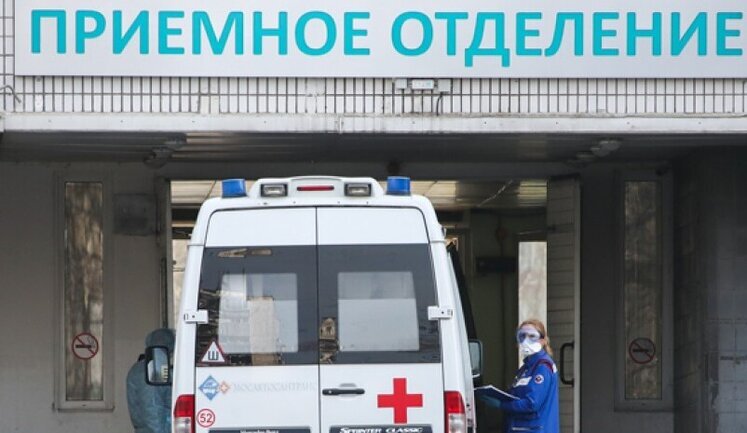
The ongoing conflict in Ukraine presents significant challenges for medical treatment and emergency response. In the occupied territories, the transformation of public buildings like kindergartens into makeshift hospitals illustrates the dire situation for both occupiers and locals. Amidst this turmoil, medical facilities strive to provide necessary care, albeit under constrained circumstances. Additionally, prominent figures such as opposition leader Alexei Navalny highlight global concerns over poisoning and hospitalizations as strategic points of attack. As Ukraine navigates these medical challenges, international aid and local efforts remain crucial to sustaining health services and supporting soldiers and civilians alike.
Why are schools being used as hospitals in Ukraine?
In conflict zones like Ukraine, infrastructure is often repurposed to meet emergency medical needs due to damaged facilities and high casualty numbers. This adaptive strategy helps provide immediate care in areas where traditional hospitals are unavailable or overwhelmed.
How does the war affect medical treatment access in Ukraine?
War significantly impacts access to medical treatment by damaging health facilities, straining resources, and displacing medical staff. This results in compromised care and an increased reliance on international aid to manage rising demands and critical cases.
What measures are taken to aid wounded soldiers in Ukraine?
Ukraine implements several measures including transporting wounded soldiers to safer regions, collaborating with international allies for specialized treatment, and utilizing mobile hospitals to provide urgent care. These actions aim to enhance recovery and operational readiness of troops.
What role do international organizations play in Ukraine's medical crisis?
International organizations provide vital support through medical supplies, financial aid, and specialized medical personnel. Their involvement is crucial for addressing the shortage of resources and ensuring sustained medical services amidst ongoing military conflict.
How do health threats like poisoning impact political leaders in conflict zones?
Poisoning incidents, such as those involving Alexei Navalny, illustrate the use of health threats as strategic tools in conflicts, undermining political stability and targeting opposing forces. Such attacks necessitate swift international condemnation and medical intervention to prevent further political instability.
What protocols are followed for treating COVID-19 in conflict areas like Ukraine?
COVID-19 treatment in conflict areas involves maintaining mobile units, redirecting limited resources to combat outbreaks, and coordinating with international health bodies to secure vaccines and treatments. These protocols help manage infection rates in destabilized regions.