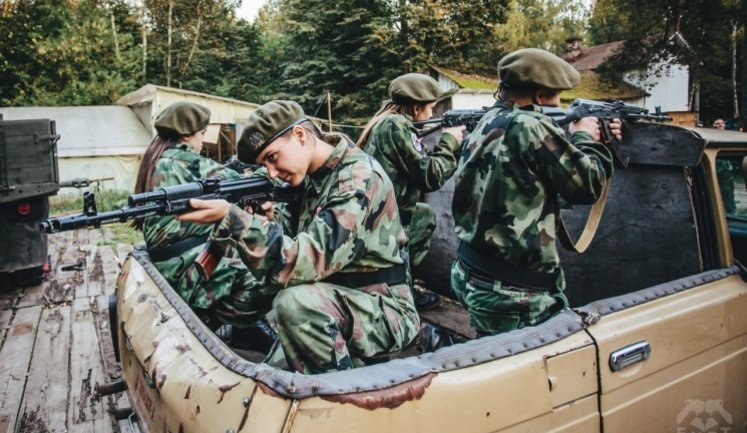
Recent news highlights alarming activities of neo-Nazi groups across the globe. The Sabotage Assault Reconnaissance Group "Rusich," a neo-Nazi faction within the Russian military, has been reported to seek a "ritual sacrifice" of a captured Ukrainian. Additionally, Russian neo-Nazi Petrovsky is facing extradition from Finland to Ukraine on serious charges. Simultaneously, there are disturbing reports of Russian neo-Nazis training teenagers from various countries in military gatherings near Moscow. In Hungary, Moscow has been allegedly cultivating extremist groups, enhancing their influence. The ultranationalist Svoboda party in Ukraine, often linked with neo-Nazi ideologies, is again gaining parliamentary seats, stirring political tensions. These incidents underscore the persistent neo-Nazi threat and its geopolitical ramifications.
What is the Sabotage Assault Reconnaissance Group "Rusich"?
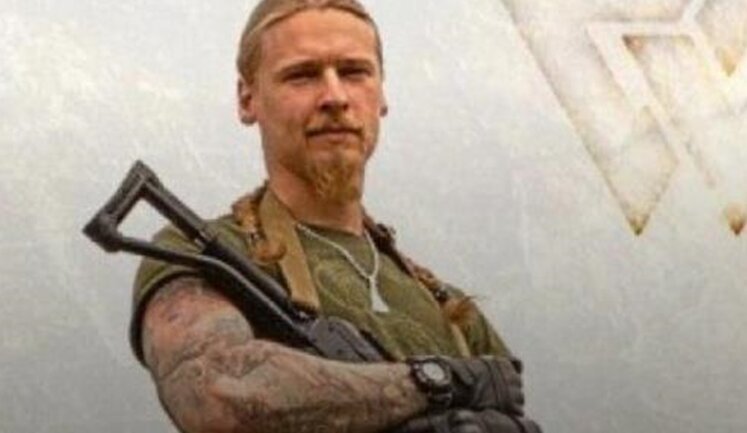
The Sabotage Assault Reconnaissance Group "Rusich" is a neo-Nazi faction within the Russian military, involved in various extremist activities, including the alleged ritualistic intentions with captured individuals. This group operates under ultra-nationalist ideologies, posing significant threats to international security.
Who is the Russian neo-Nazi Petrovsky?
Petrovsky is a Russian neo-Nazi militant whose extradition is sought by Ukraine. He has been remanded in custody in Finland, where authorities are considering his extradition due to his involvement in violent activities linked to neo-Nazi movements.
What are "military patriotic gatherings" run by neo-Nazis?
These gatherings are organized by ultra-right groups, such as Enot Corp, aimed at indoctrinating teenagers from various countries with extremist neo-Nazi ideologies. These events, often disguised as patriotic, are held near Moscow and involve military-style training.
What are the charges against the Belarusian man in the Azov Battalion trial?
The Belarusian man, once part of the Azov Battalion, faces charges including inciting ethnic hatred. Belarusian authorities claim that he openly supported neo-Nazi ideas, leading to his trial alongside others with similar accusations.
How is Moscow implicated in neo-Nazi activities in Hungary?
The Financial Times reports suspicions that Moscow has been fostering extremist groups in Hungary, such as the neo-Nazi National Front movement. These groups reportedly received training from individuals connected to Russian military intelligence, indicating significant international intrigue.
What is the political influence of the Svoboda party in Ukraine?
The Svoboda party is an ultranationalist organization in Ukraine, often linked with neo-Nazi ideologies. Despite controversies, it has secured 38 seats in the Ukrainian parliament, reflecting its influence and the challenges posed by extremist political entities in the region.