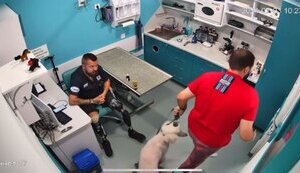
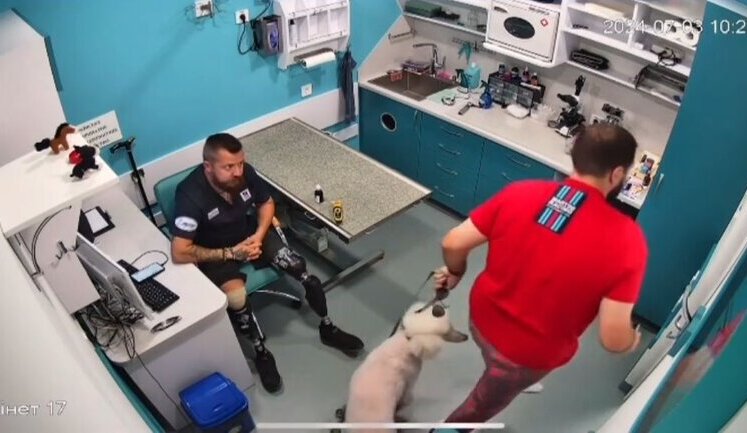
In an inspiring episode from a veterinary clinic in Odesa, Ukraine, the story of Oleksii Prytula stands out. Prytula, a dedicated veterinarian and a veteran of the Armed Forces of Ukraine, faced unwarranted hostility from a visitor when it was noticed that he wore prosthetic legs. Despite this unprovoked incident, Prytula embodies the resilient spirit of veterinary professionals. His journey highlights the challenges and rewards within the field of veterinary medicine, emphasizing the invaluable role they play in society. This story from Odesa underscores the enduring impact of veterans in civilian life, even within disciplines like veterinary medicine.
How do veterinarians contribute to society?
Veterinarians play a crucial role in maintaining both animal health and public health. They provide essential services in animal welfare, contribute to medical research, and help ensure the safety of food through livestock health management. Furthermore, veterinarians involved in educational and public health initiatives contribute to broader societal well-being.
What challenges do veterinary professionals face today?
Veterinary professionals encounter numerous challenges, including access to updated medical technologies, managing psychological stress, coping with financial pressures of veterinary practices, and adapting to emergent diseases and global health threats. Additionally, they must maintain work-life balance while providing dedicated care.
How do veterans transition to careers in veterinary medicine?
Veterans often transition to veterinary careers by leveraging their discipline and commitment honed during military service. Some may use programs designed to support veterans in acquiring educational credentials required for veterinary medicine. The dedication and resilience they develop in the service can be highly beneficial in this field.
What impact does negative public interaction have on veterinarians?
Negative public interactions can place additional stress on veterinarians, impacting their mental health and job satisfaction. These experiences highlight the importance of compassion and understanding from the community. Support from peers and mental health resources play pivotal roles in maintaining their well-being.
How does public perception affect the veterinary field?
Public perception significantly influences the veterinary field through trust and cooperation in pet and livestock care. Positive perceptions can lead to better compliance with veterinary advice, whereas negative views might strain relations and affect treatment outcomes. Improved awareness and education about the field can enhance public relations.