The use of a complete set of foreign components in military technology has emerged as a significant factor in ongoing global conflicts. Reports indicate that components from the United States, China, Japan, the United Kingdom, and Switzerland were found in missiles used by Russia. This finding highlights the complexity of international arms transfers, even amidst sanctions. Moreover, reports suggest that despite embargoes, Russia obtains electronic warfare components via Chinese intermediaries, stressing the challenges of enforcing sanctions. The strategic assembly of these components is crucial for military operations, reflecting broader geopolitical dynamics and the pivotal role of international cooperation, as seen with Germany's plans to fully equip a Ukrainian brigade. The complete set of resources and international partnerships dramatically shapes military capabilities and global power balances.
What foreign components are found in North Korean missiles used by Russia?
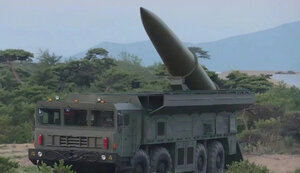
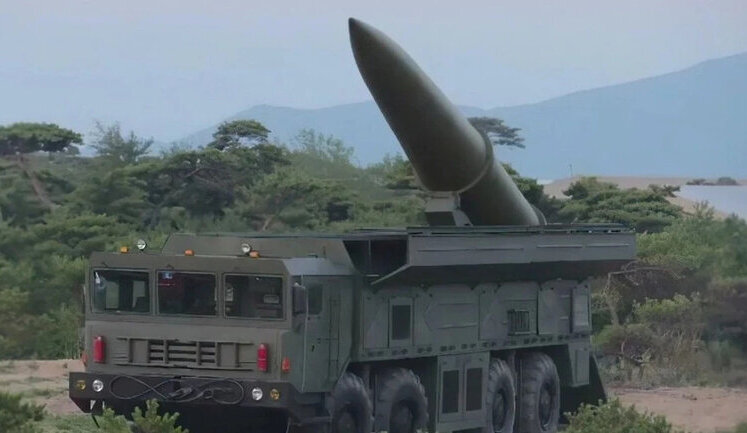
Foreign components from five countries—China, the United States, Japan, the United Kingdom, and Switzerland—were found in North Korean KN-23/KN-24 missiles used by Russia. These components are crucial for the missile's advanced capabilities, reflecting complex international supply chains involved in missile technology.
How does Russia acquire Western military components despite sanctions?
Russia acquires Western military components through intermediaries, primarily in China. Despite extensive sanctions, companies still manage to supply electronic warfare technology such as spectrum analysers and signal generators to Russia, underlining the ongoing challenge of enforcing international trade restrictions in conflict zones effectively.
What are the implications of Germany equipping a Ukrainian brigade?
Germany's initiative to equip a Ukrainian brigade, with support from Scandinavian countries and Iceland, demonstrates international military cooperation and support for Ukraine amidst its conflict with Russia. This move enhances Ukraine's operational capabilities and signifies commitment to European security and stability.
Are new brigades being formed in Ukraine despite understaffing concerns?
Contrary to some reports, Ukrainian President Volodymyr Zelenskyy clarified that the creation of new brigades is not occurring due to the significant understaffing of existing forces. The focus remains on bolstering current formations to effectively utilize available personnel and resources amid the ongoing conflict with Russia.
Does Russia plan to reclaim military components exported abroad?
Reports suggest that Russia might seek to reacquire components exported to countries like Myanmar and India to support its domestic military needs. This strategy reflects challenges in maintaining supply chains for high-tech military equipment amidst international sanctions and geopolitical tensions.