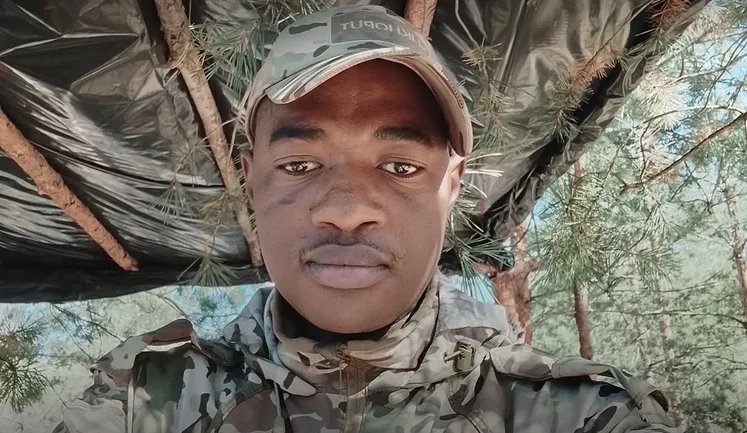
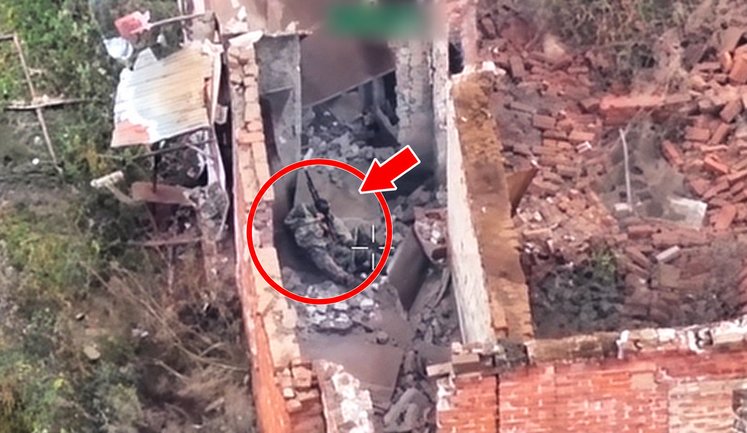
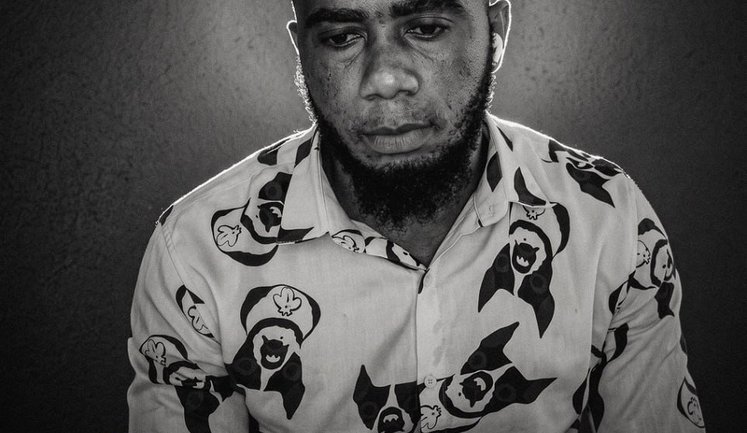
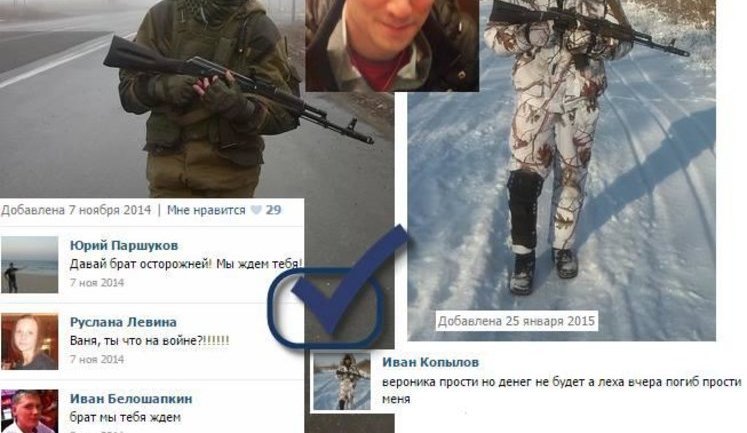
Mercenaries have played a significant role in the ongoing conflict in Ukraine. Reports reveal that individuals from diverse regions, including Africa and Serbia, have joined the Russian forces, impacting the dynamics of the warfare. Recently, a mercenary from Sierra Leone was identified fighting for Russia and was killed in the Donetsk region. This incident underscores the international dimension of the conflict. Political tensions in nearby countries, such as Romania, where leaders face accusations of being dragged into war, further complicate the situation. The strategic use of mercenaries raises questions about the challenges of recruitment and the broader implications for regional stability in Eastern Europe.
What role do mercenaries play in the Ukraine conflict?
Mercenaries have been instrumental in supporting Russian military efforts in Ukraine, often filling ranks when local recruitment dwindles. These soldiers of fortune come from various countries, seeking employment in war zones. Their involvement complicates the conflict, bringing international elements to a regional dispute, making resolution difficult and often exacerbating violence.
Why are mercenaries from different countries fighting in Ukraine?
Many seek employment for financial reasons, driven by economic conditions in their home countries. They are often lured by promises of pay and, at times, ideologically influenced. The recruitment of foreign mercenaries by Russia often compensates for deficits in local military enlistment, adding complexity to the conflict dynamics.
How do foreign mercenaries impact Ukraine's security situation?
Foreign mercenaries increase the complexity and intensity of military operations in Ukraine. Their presence introduces new tactics and potentially more aggressive strategies, which can escalate violence, prolong conflict, and hinder peace efforts. This contributes to a prolonged crisis and instability in the region.
Is Romanian involvement in Ukraine's conflict increasing?
Political figures in Romania, such as Kelin Georgescu, have raised concerns about the country's potential increased involvement due to political support for Ukraine. The Romanian government's support is part of wider regional responses, which could lead to increased military involvement, stirring debates within the country.
What challenges does Russia face in recruiting soldiers for Ukraine?
Russia faces difficulties in recruiting soldiers due to waning local interest and the risks involved. Despite incentives like monetary compensation and debt forgiveness, fewer individuals are willing to join, prompting reliance on foreign mercenaries to sustain military operations in Ukraine, illustrating recruitment challenges amid ongoing conflict.