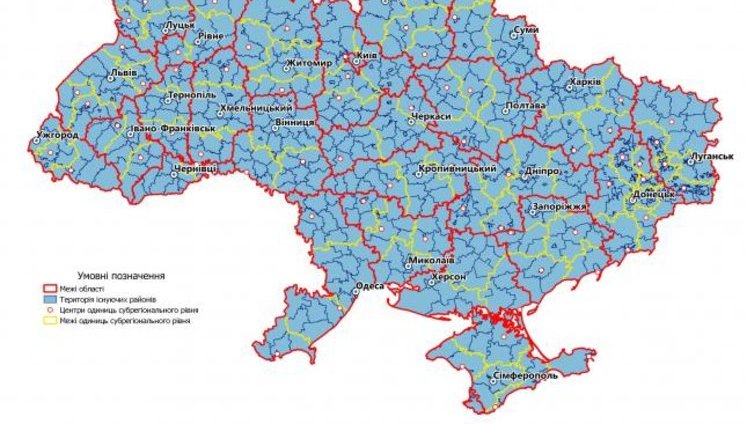
Decentralization in Ukraine has been an evolving process aimed at empowering local governments and communities. However, recent developments present challenges. The Association of Ukrainian Cities has raised concerns regarding the 2025-2027 Budget Declaration, criticizing proposals that could reduce revenue for territorial communities. This comes amidst ongoing efforts by the Verkhovna Rada to modify Ukraine's territorial organization. Constitutional amendments continue to play a crucial role in decentralization, with debated aspects such as the special status for regions like Donbas. Despite these obstacles, decentralization remains a pivotal reform, credited by Ukraine's leaders for fostering local development and strengthening democracy. As Ukraine navigates these changes, the implications for local governance and national unity are profound.
What is the main goal of decentralization in Ukraine?
The primary goal of decentralization in Ukraine is to transfer more power and resources from the central government to local authorities. This reform aims to empower local governance, enhance the efficiency of public services, and promote democratic processes at the local level, providing communities with more autonomy over their development and budgets.
How does the 2025-2027 Budget Declaration affect local communities?
The 2025-2027 Budget Declaration has raised concerns among local communities due to provisions that may reduce their revenues. The Association of Ukrainian Cities contends that the declaration might impose financial constraints on territorial communities, potentially impacting local development and the ability to fund essential public services. These concerns highlight the need for a balanced approach to budgeting that considers local needs.
Why are constitutional amendments crucial for decentralization?
Constitutional amendments are vital for decentralization as they lay the legal groundwork for redistributing powers from the national government to local bodies. These amendments ensure that decentralization efforts are consistent with Ukraine's legal framework, providing a clear mandate for local governments to operate with greater independence and responsibility, thus fostering local democracy.
What challenges do territorial communities face under current reforms?
Territorial communities face several challenges under current reforms, including potential revenue reductions due to budget changes, the need to manage newly transferred responsibilities effectively, and navigating political complexities involved in constitutional amendments. There is also a continuous need to balance national and local interests to ensure that decentralization leads to equitable and sustainable development across Ukraine.
How might the special status for Donbas influence decentralization?
The special status for Donbas is a contentious issue within the decentralization process, as it involves granting the region certain autonomies. This aspect of the reform is tied to the broader geopolitical context and peace negotiations. The special status could complicate the uniform application of decentralization policies across Ukraine, requiring careful coordination to ensure national coherence while addressing regional specificities.