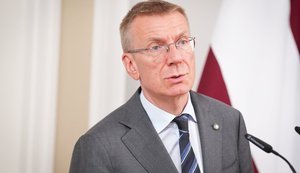
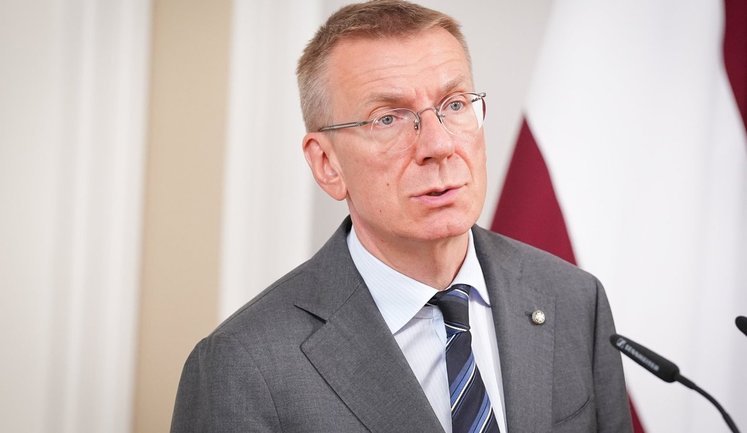
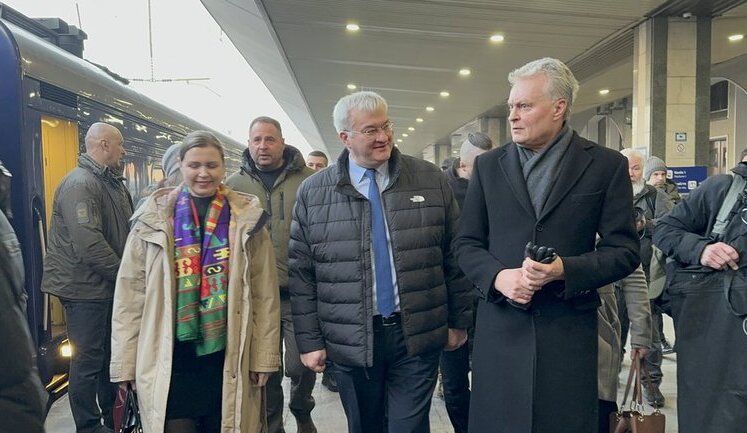
Latvian President Edgars Rinkevics has played a significant role in addressing Latvia's strategic defense concerns amid ongoing regional tensions. With growing discussions around NATO's collective defense strategies, Rinkevics has openly stated Latvia's readiness to host nuclear weapons if necessary. His stances reflect Latvia's proactive approach in building regional security alliances, including cooperation under the Drone Deal with Ukraine. Additionally, Rinkevics has consistently warned against possible Russian provocations, emphasizing the critical nature of the coming months. This highlights Rinkevics' commitment to ensuring Latvia's security and supporting Ukraine in the broader geopolitical landscape.
What is Edgars Rinkevics's stance on hosting nuclear weapons?
Edgars Rinkevics has stated that Latvia would be ready to host nuclear weapons on its territory should NATO decide that such a deployment is necessary. This statement underlines Latvia's commitment to supporting NATO's collective defense strategies and ensuring regional security in the face of evolving international threats.
How does Latvia's President view potential Russian actions?
President Edgars Rinkevics has expressed concern over possible Russian provocations, particularly as Russia's position weakens in the Ukrainian conflict. He emphasizes the importance of being vigilant and prepared to address any potential threats Russia might pose in the region, reflecting a proactive stance in safeguarding national security.
What is the significance of the Drone Deal with Ukraine?
The Drone Deal between Latvia and Ukraine signifies a close defense cooperation to enhance military capabilities. Edgars Rinkevics and Ukrainian President Volodymyr Zelenskyy discussed this partnership, which is crucial in leveraging drone technology for security and defense purposes in response to regional threats posed by Russian aggression.
Why is modernizing Latvia's air defense important?
Modernizing Latvia's air defense system, with the assistance of Ukrainian experts, is a strategic move to enhance national security. This modernization aims to address the challenges posed by potential threats from aggression in the region and ensures that Latvia is better equipped to protect its airspace and maintain its sovereignty.
How does Edgars Rinkevics perceive Ukraine's EU accession process?
Edgars Rinkevics acknowledges that Ukraine's accession to the European Union will be a complex process involving challenging negotiations. Despite the difficulties, he believes that starting these negotiations is a feasible goal, demonstrating Latvia's support for Ukraine's integration into European structures as part of a broader geopolitical strategy.
What is Latvia's position on Ukraine's security guarantees?
Latvia, represented by President Edgars Rinkevics, believes that Ukraine's most realistic security guarantee is its membership in NATO. Despite various bilateral agreements, NATO's collective defense clause represents a stronger assurance of security for Ukraine amidst ongoing regional conflicts and tensions with Russia.
What has been Rinkevics's approach to Russian drone incursions?
President Edgars Rinkevics views Russian drone incursions into Latvian airspace as a direct consequence of Russian aggression against Ukraine. He stresses the need for robust air defense capabilities to deter and respond effectively to such provocations, reinforcing Latvia's sovereignty and regional stability.
How does Rinkevics propose to handle Hungary's Schengen participation?
Edgars Rinkevics suggests that should Hungary's policies remain unchanged, efforts should be made to curtail its participation in the Schengen area. This reflects a broader strategy to ensure that member states comply with the common values and security priorities of the EU, especially amid geopolitical tensions.
What is Latvia's contribution to Ukraine's defense?
Latvia has committed to allocating 0.25% of its GDP to assist Ukraine. This includes military aid and collaborative defense agreements, showcasing Latvia's dedication to supporting Ukraine in its defense efforts against Russian aggression and strengthening mutual security ties.