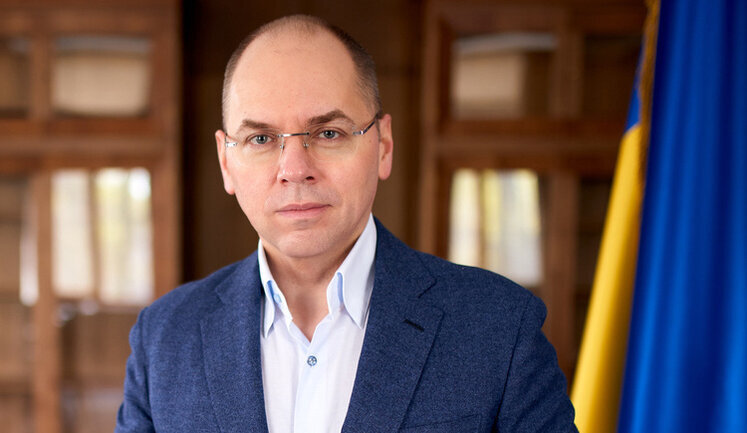
The National Anti-Corruption Bureau reported the arrest in absentia of Maksym Stepanov, former Minister of Health. His tenure saw the intensification of the fight against COVID-19 in Ukraine, with increased vaccine acquisitions. Stepanov's association with major public health decisions has remained a subject of public interest. His absence and current legal challenges pose significant implications, raising questions surrounding the practices of health governance and accountability in Ukraine. Moreover, his arrest highlights ongoing corruption challenges. It presents a critical step in the efforts of Ukrainian authorities to tackle graft and promote transparency, especially in the health sector.
Why was Maksym Stepanov arrested in absentia by the NABU?
Former Health Minister Maksym Stepanov was arrested in absentia by the National Anti-Corruption Bureau of Ukraine due to ongoing investigations. The details pertain to allegations linked to corruption and illicit practices during his tenure, emphasizing the NABU's actions to address misconduct associated with high-ranking officials. This decision underlines the accountability push in dealing with corruption in Ukraine.
What were Maksym Stepanov’s major contributions as Health Minister?
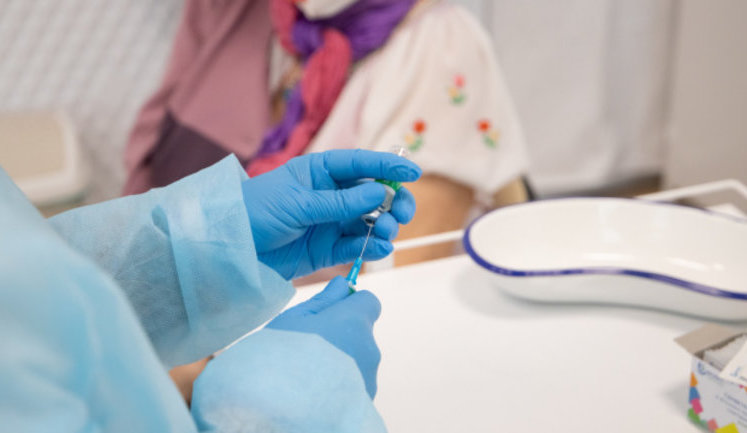
During his tenure as Health Minister, Maksym Stepanov was notably involved in ramping up Ukraine’s response to the COVID-19 pandemic. This included negotiating vaccine supplies and addressing public health measures. His efforts aimed at curbing the pandemic’s impact through extensive vaccine distribution and transforming health policy frameworks to manage the health crisis effectively.
How did Maksym Stepanov's policies affect Ukraine's COVID-19 situation?
Stepanov's policies were central to Ukraine's COVID-19 management strategy, focusing on increasing vaccine supply and implementing public health measures. His administration attempted to mitigate pandemic repercussions by enhancing health care responses and collaborating with international vaccine manufacturers. Effective execution of these measures played a part in controlling infection spread during critical phases.
What are the possible implications of corruption charges against Stepanov?
The corruption charges against Maksym Stepanov carry significant implications for Ukrainian governance, emphasizing a need for transparency and reform in public offices. Such high-profile investigations are critical for enhancing institutional integrity and public trust, as they can set precedents for systemic changes regarding accountability in governmental sectors.
Could Maksym Stepanov's arrest impact Ukraine's healthcare policies?
The arrest of Maksym Stepanov may influence Ukraine's healthcare policies by potentially altering management approaches and emphasis on accountability. In addressing these developments, Ukrainian authorities are likely to reassess and strengthen governance strategies to ensure transparent health sector practices, aiming for improved trust in public health initiatives.
How does Maksym Stepanov's situation relate to broader anti-corruption efforts in Ukraine?
Maksym Stepanov's in absentia arrest reflects broader anti-corruption efforts within Ukraine, highlighting the government's persistence in tackling systemic corruption among former officials. These efforts aim to reinforce lawful practices, therefore encouraging transparency and reinforcing public confidence in governmental operations, alongside continual dealings with corruption issues.