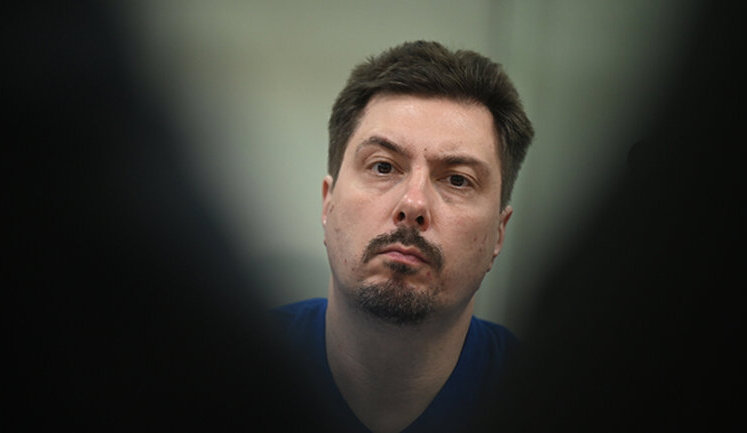
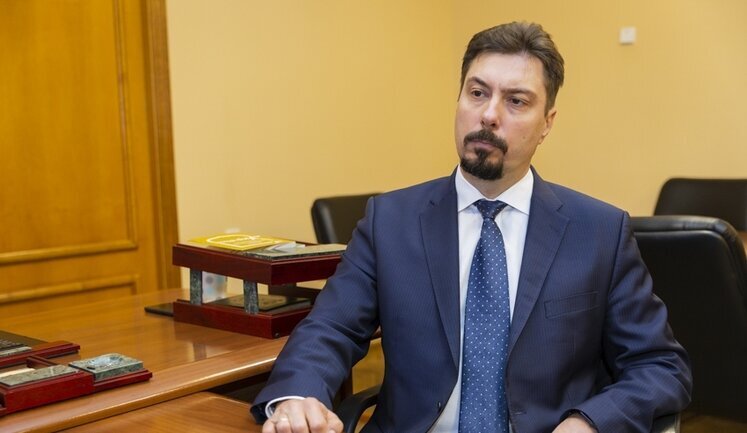
Vsevolod Kniazev, the former Chief Justice of Ukraine's Supreme Court, has been central to an extensive corruption investigation. Exposed for receiving substantial bribes, Kniazev has now entered a plea deal resulting in a five-year sentence and forfeiture of assets. The High Anti-Corruption Court's decision underscores the rigorous approach taken by NABU and SAPO in addressing corruption at the judiciary's highest levels. Actions against Kniazev's associates, including enforcements on Zhevaho, spotlight the court's commitment to eradicating illicit practices. As judicial reforms continue, Ukraine aims to meet European Commission's recommendations to bolster legal integrity and transparency.
What led to Vsevolod Kniazev's plea agreement?
The plea agreement for Vsevolod Kniazev was precipitated by substantial evidence collected against him for accepting large bribes during his tenure as Chief Justice. The High Anti-Corruption Court, along with NABU and SAPO, executed detailed investigations which revealed his involvement in severe corrupt practices. His acceptance of the deal avoided a potentially lengthier trial and resulted in a five-year prison term along with significant financial restitution to support Ukraine's efforts.
How did anti-corruption agencies uncover the bribery involving Kniazev?
The National Anti-Corruption Bureau (NABU) and the Specialized Anti-Corruption Prosecutor's Office (SAPO) uncovered the bribery through extensive investigative actions, including searches and evidence gathering at Kniazev's premises. Surveillance and intelligence efforts led to the exposure of a $2.7 million bribe, forming a pivotal part of the corruption case against him. This rigorous approach resulted in substantial legal moves against him and associated figures.
What have been the consequences for Kniazev following his arrest?
Following his arrest, Vsevolod Kniazev faced considerable legal ramifications, including extended procedural obligations and detention. While released on substantial bail, further proceedings solidified his sentence through a plea agreement. The High Anti-Corruption Court's measures reflected the seriousness of the charges and aimed to deter similar offenses. These actions align with Ukraine's broader anti-corruption crusade.
What role has the High Anti-Corruption Court played in Kniazev's case?
The High Anti-Corruption Court (HACC) played a crucial role by sanctioning investigative actions and legal proceedings against Vsevolod Kniazev. It facilitated the plea agreement process, ensuring the legal principles governing such cases were upheld. The court's assertive stance in handling high-profile corruption cases demonstrates its pivotal role in Ukraine's judicial reform efforts and its dedication to maintaining legal transparency.
How is Kniazev's case linked to wider judicial reforms in Ukraine?
Kniazev's corruption case exemplifies the challenges within Ukraine's judicial system and underscores the need for comprehensive reforms. This incident has catalyzed efforts to implement recommendations from the European Commission, aimed at enhancing transparency and accountability within the judiciary. It highlights the importance of systemic changes to prevent future occurrences and reinforce public trust in legal institutions.