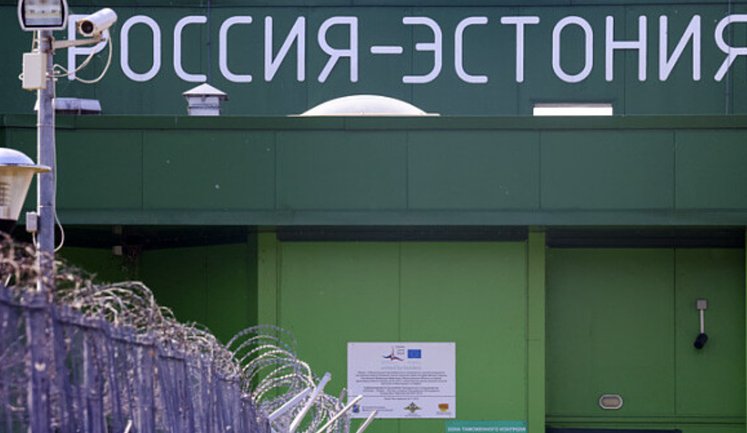
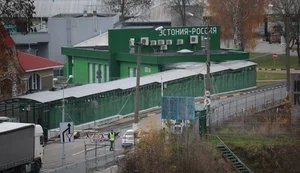
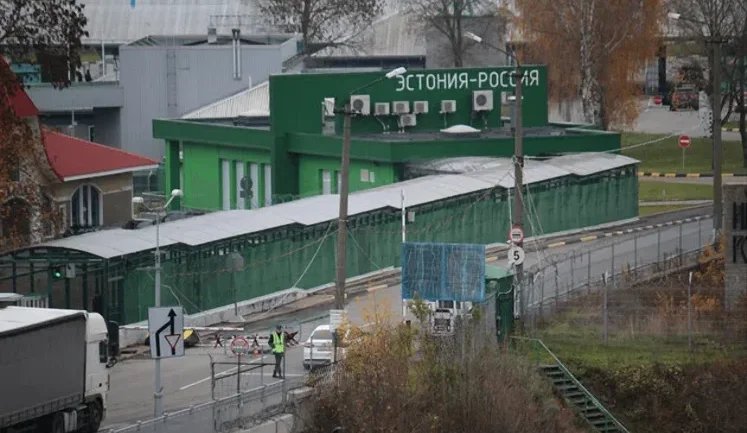
Estonia is enhancing its border security following increasing tensions with Russia. The Estonian government has decided to close all border crossing points with Russia starting 1 December, a move triggered by an attempted arson attack on an Estonian defense company allegedly ordered by the Russian GRU. Additionally, Estonia is deploying troops to strategic locations near the border as part of its "active defense" strategy, aimed at preparing for potential Russian aggression. New drone detection systems have been installed at key points to bolster surveillance and early warning capabilities. Estonian Defence Minister Hanno Pevkur has asserted that Estonia is better prepared for a potential conflict than NATO as a whole. Meanwhile, the discovery of a 250-kilogram aerial bomb near the border has heightened concerns, though some officials, including Foreign Minister Margus Tsahkna, have downplayed the severity of the current situation. The construction of a defensive line in southeastern Estonia, featuring anti-tank ditches and bunkers, is also underway to fortify the area against possible threats.
Why is Estonia closing its border with Russia?
Estonia is closing its border with Russia due to security concerns following an attempted arson attack on a defense facility in Estonia. The attack was reportedly ordered by the Russian GRU, prompting Estonia to take decisive action to protect its national security by closing all border crossing points with Russia.
What measures is Estonia taking to secure its border?
To secure its border with Russia, Estonia is deploying troops as part of its "active defense" strategy. Additionally, it is enhancing surveillance by installing drone detection systems and constructing a defensive line with anti-tank ditches and bunkers in southeastern Estonia. These efforts are aimed at strengthening border security and preparing for potential aggression.
What has Estonia done to detect drones along its border?
Estonia has deployed its first stationary drone detection systems along the southeastern sections of its land border with Russia. By the end of the year, the Estonian government plans to extend these systems along the entire eastern border, significantly enhancing its capabilities to monitor and respond to drone activities.
How prepared is Estonia for potential Russian aggression?
Estonian Defence Minister Hanno Pevkur has expressed confidence that Estonia is well-prepared for potential Russian aggression, stating that the country is better prepared than NATO as a whole. Estonia has implemented a series of defensive measures, including troop deployments, enhanced surveillance, and infrastructure fortifications, to bolster its defenses against threats.
What other incidents have heightened security concerns at the Estonia-Russia border?
In addition to the arson attempt, a significant incident was the discovery of a 250-kilogram aerial bomb near the Estonia-Russia border, contributing to heightened security concerns. Although some officials have sought to downplay reports of escalating tensions, such incidents underscore the importance of vigilance and readiness in the region.
What is the significance of the new military base planned in Narva?
The planned military base in Narva is significant as it will bolster Estonia's defensive capabilities near the Russian border. Accommodating over two hundred Estonian and allied troops, the base represents a strategic enhancement to Estonia's military infrastructure, supporting its efforts to deter aggression and ensure regional stability.