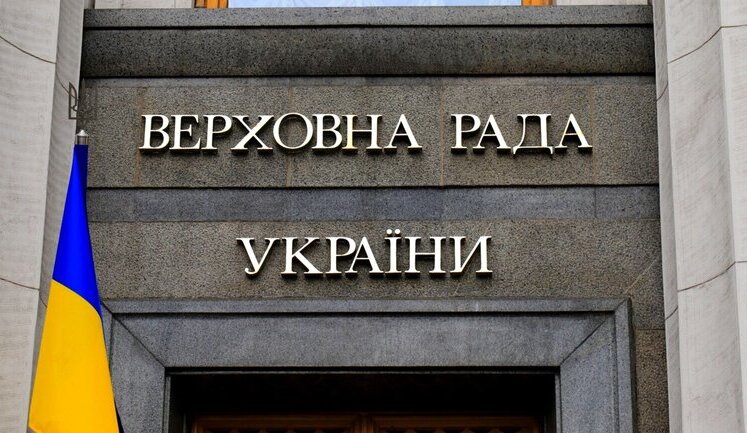
Bill No. 14057, recently passed in its first reading by the Verkhovna Rada, has stirred significant concern. The proposed amendments to the Civil Code introduce a provision whereby any suggestion of corruption, in the absence of a court ruling, is deemed false and subject to refutation. This potential legislation raises alarms among media professionals and independent journalists, who see it as an attempt to stifle press freedom and impose censorship. If enacted, the bill could severely restrict journalists' ability to report on and investigate corruption involving top officials in Ukraine. The implications of Bill No. 14057 prompt a debate over media rights and the balance between free press and defamation laws.
What are the implications of Bill No. 14057 for journalists?
Bill No. 14057 could significantly hinder journalists' work by establishing censorship mechanisms. It proposes that any accusations of corruption are deemed false in the absence of a court ruling, restricting insightful reporting on public officials' wrongdoings. This could lead to self-censorship, where journalists are deterred from investigating potential corruption cases due to the risk of legal repercussions.
How does Bill No. 14057 affect the concept of press freedom in Ukraine?
Bill No. 14057 could pose a serious challenge to press freedom in Ukraine. By potentially labeling any corruption allegations as false until confirmed by a court, it undermines investigative journalism and limits the media's ability to hold public officials accountable. This move threatens the very essence of free press, where the role of media as a fourth estate is compromised.
What are the legal mechanisms introduced by Bill No. 14057?
The legal mechanisms introduced by Bill No. 14057 include amendments to the Civil Code that classify any claim of corruption without a court ruling as false. This mechanism could lead to increased litigation and challenges for journalists, who may face legal battles for publishing such claims before a definitive court ruling is issued.
Why is Bill No. 14057 controversial among media outlets?
Bill No. 14057 is controversial because it could institutionalize censorship within media practices by restricting journalists from reporting on unresolved corruption cases. This legislative move is viewed as a governmental overreach that could protect corrupt officials by default, thereby chilling free speech and investigative journalism.
What new amendments to the Civil Code does Bill No. 14057 propose?
Bill No. 14057 proposes amendments that redefine how claims of corruption are treated legally. Until a court delivers a verdict, any mention or accusation of corruption is considered incorrect and must be contested, thereby adding layers of complexity and legal risks for those attempting investigative reporting on such issues.