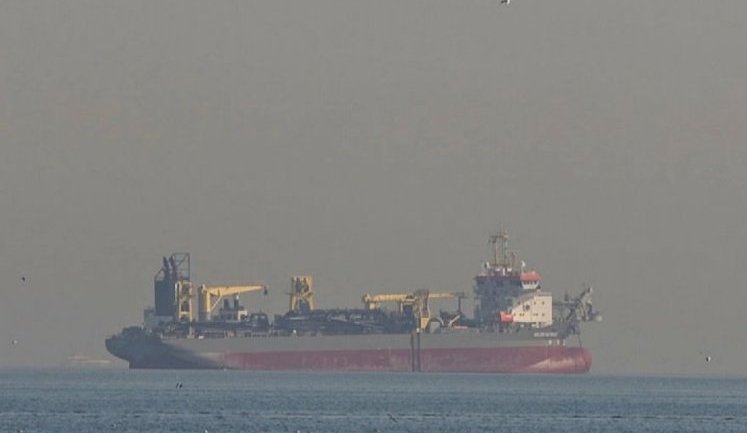
Diesel exports have become a focal point in international relations, as recent developments reveal a nuanced landscape of agreements and sanctions. The tanker Minerva Zen arrived in the US, not with expected Russian diesel, but carrying liquid fertilizer, showcasing the complexity of current trade dynamics. In parallel, President Trump reaffirmed his stance on diesel procurement, citing Europe’s vast energy purchases from Russia, while defending his decision as strategically sound. Meanwhile, a bipartisan effort unfolds in Congress aimed at halting Russian oil imports altogether. Tensions rise as Ukrainian officials express disapproval of the US easing sanctions, foreseeing intensified Russian activities in Ukraine. The US Treasury's temporary license for Russian diesel fuels global market discussions, indicative of broader geopolitical implications.
Why did the Minerva Zen tanker arrive in the US with fertilizer?
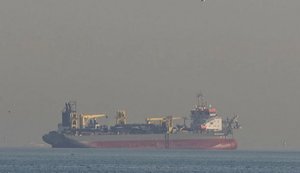
The Minerva Zen was initially expected to deliver Russian diesel to the US. However, upon its arrival, it was revealed through monitoring services that the tanker was transporting liquid fertilizer. This unexpected change highlights the complexities and possibly strategic maneuvers in international trade logistics amid geopolitical issues involving Russia, the US, and energy supplies.
What is the status of the US bipartisan bill on Russian oil purchases?
A bipartisan bill is currently in development within the US Congress, aimed at enacting a comprehensive ban on the purchase of Russian oil. The bill emerges amidst rising tensions surrounding international energy trade and the geopolitical consequences of procuring resources from Russia, reflecting legislative efforts to curb reliance on Russian energy.
How did Ukraine respond to Trump's decision on Russian diesel?
Ukraine expressed significant concern over President Trump's announcement to ease sanctions on Russian diesel, seeing it as a potential threat to regional security. Ukrainian officials were reportedly taken aback during U.S. talks when this decision was disclosed, leading to fears of increased Russian aggression as a result of perceived international leniency towards Russian energy policies.
What prompted Trump to lift sanctions on Russian diesel?
President Trump's decision to lift sanctions on Russian diesel is linked to ongoing Ukrainian strikes on Russian oil refineries. The rationale is rooted in strategic considerations, balancing geopolitical tensions with Russia and energy security desires, as well as potential economic benefits tied to stabilizing the global diesel supply market amid Ukrainian military actions.
What are the implications of the US Treasury's temporary license for Russian diesel?
The US Treasury's issuance of a temporary general license authorizing Russian diesel supplies to the global market indicates a shift in US energy trade policy. This move is aimed at mitigating potential diesel shortages and stabilizing international fuel markets but carries implications for US-Russian relations and the broader geopolitical landscape, especially vis-à-vis Ukraine and European allies.
How does the US-Russia diesel agreement affect global markets?
The US-Russia diesel agreement, facilitated by the temporary licensing of Russian diesel, has potential to affect global markets by altering supply dynamics and influencing fuel prices. This development may ease price volatility in the short term but could also lead to long-term strategic shifts in how countries navigate energy dependencies and manage geopolitical risks posed by reliance on Russian commodities.
What is Trump’s justification for continuing energy trade with Russia?
President Trump justifies continued energy trade with Russia by pointing to the significant scale of European energy purchases from Russia – estimated at $250 billion. He argues that engaging with Russia on energy matters supports strategic interests, enables diplomatic leverage, and is consistent with global market stability goals, despite concerns from allies about strengthening Russian influence during an ongoing conflict in Ukraine.