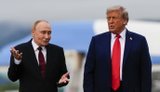
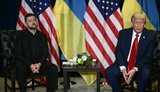
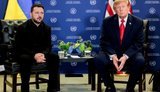
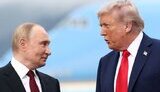
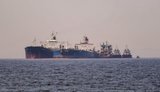
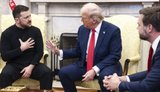
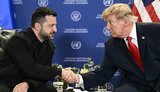
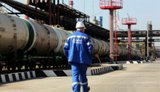
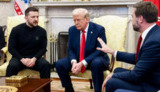
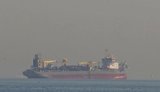
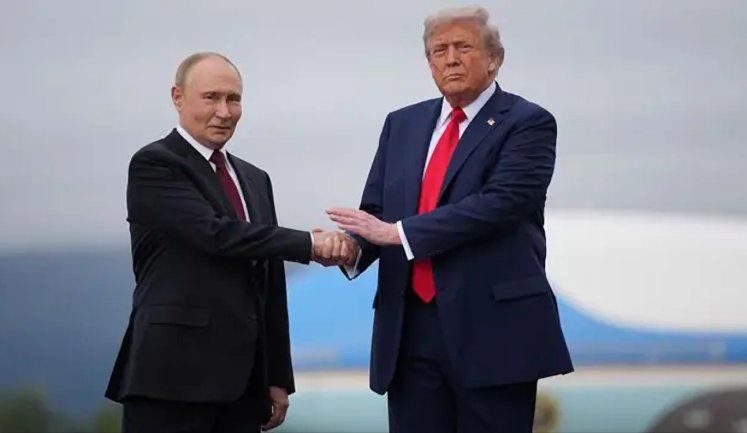
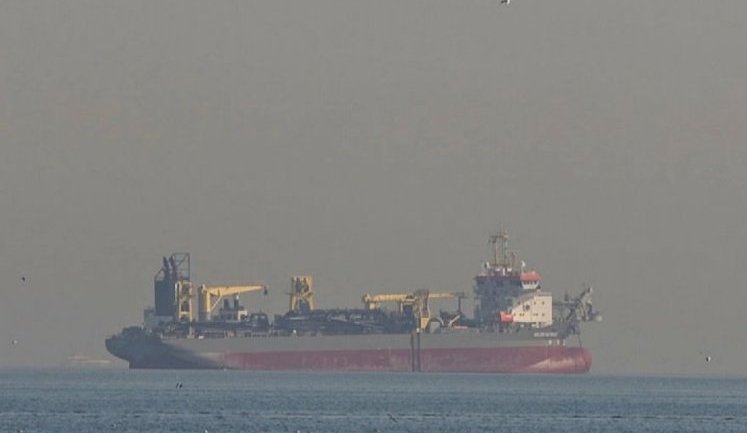
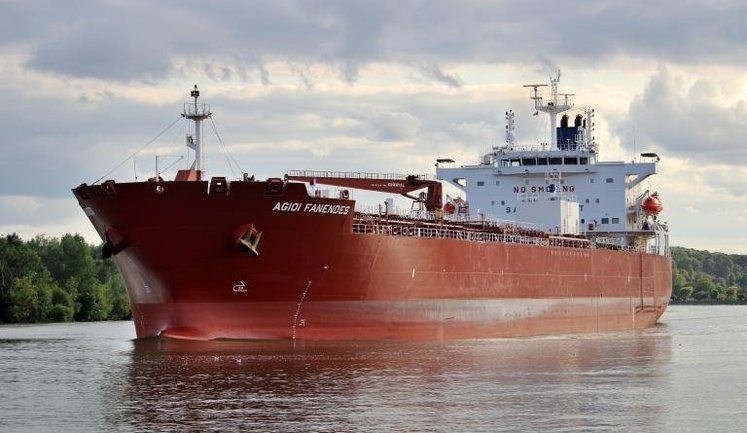
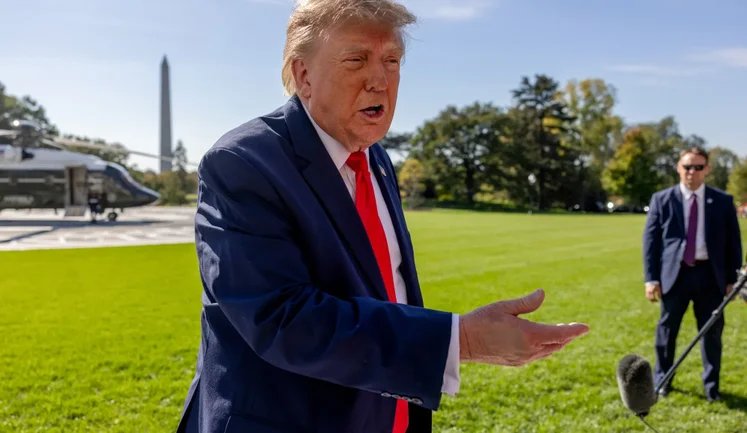
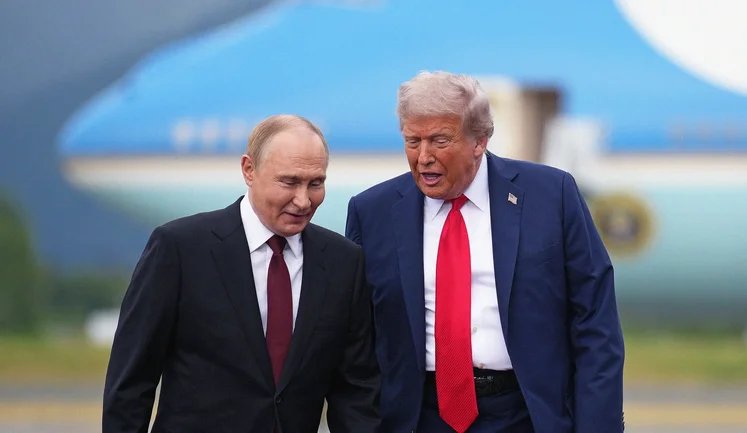
The recent U.S.-Russia diesel deal is generating significant political backlash and diplomatic tension. U.S. Senator Tim Kaine is demanding explanations regarding U.S. purchases of Russian diesel and the delays in delivering missiles vital for Ukraine’s air defense. Adding to the concerns, a tanker carrying Russian diesel unexpectedly diverted away from U.S. shores, indicating logistical or political strains. Meanwhile, Donald Trump's controversial decision to collaborate with Russia over diesel has been labeled a betrayal of Ukraine by numerous U.S. senators across both parties. President Zelenskyy of Ukraine expressed feelings of betrayal, highlighting that such agreements undermine Ukraine's position amidst its ongoing conflict with Russia. This deal is seen as potentially bolstering Russian finances amid heightened global scrutiny over its wartime actions.
What is the U.S.-Russia diesel deal about?
The U.S.-Russia diesel deal is an agreement that allows the United States to procure diesel fuel from Russia. This controversial agreement has sparked significant political backlash as it involves easing sanctions against Russia amid ongoing tensions with Ukraine.
Why is Senator Kaine demanding explanations for the diesel deal?
Senator Kaine is demanding explanations due to concerns over the U.S. procurement of Russian diesel amid sanctions, and the resulting political implications. He also highlights delays in aid to Ukraine, which are intertwined with the diesel agreement's geopolitical implications.
Has the diesel deal affected fuel prices in the U.S.?
The diesel deal initially aimed to stabilize or lower U.S. fuel prices. However, reports indicate that it has not led to a decrease in fuel costs. Instead, prices have slightly increased, contributing to public and political dissatisfaction regarding the agreement.
What is Ukraine's stance on the U.S.-Russia diesel deal?
Ukraine views the diesel deal as a betrayal, with President Zelenskyy expressing disappointment in the U.S. decision. Ukraine argues that the agreement undermines its security, as it strengthens Russia financially while the Ukrainian conflict continues.
How does the diesel deal relate to global oil market stability?
The diesel deal is intended to bring stability to the oil market by increasing diesel supply. However, experts and political leaders argue that the deal might not achieve full market stabilization and could instead support Russia economically amid international sanctions.
What are the political implications of the diesel deal for Trump?
Politically, the diesel deal has placed Donald Trump under scrutiny from both U.S. political parties and international allies. Critics argue it weakens sanctions against Russia and threatens U.S. regional commitments, particularly amid concerns over ongoing conflicts involving Ukraine.
Why did Russian diesel-carrying tankers change course?
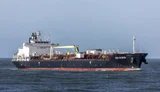
Two tankers carrying Russian diesel changed course before reaching the U.S., reflecting potential geopolitical or logistical complications. These deviations have added to the controversy over the diesel deal, intensifying scrutiny and diplomatic tensions.
What is Senator Tillis's view on Trump's relationship with Putin?
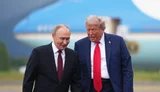
Senator Tillis believes President Trump maintains a relationship with Putin that adversely affects U.S. support to Ukraine. He suggests that Putin is strategically manipulating this relationship to reduce U.S. pressure on Russia and secure advantageous deals, like the diesel agreement.
Can the diesel agreement affect U.S.-Ukraine relations?
The diesel agreement has already strained U.S.-Ukraine relations, as it is perceived as siding with Russia. This perceived betrayal undermines Ukraine's confidence in U.S. support, potentially altering diplomatic and military cooperation amid the ongoing Ukraine-Russia conflict.
What do critics say about Trump's diesel deal with Putin?
Critics argue that Trump's diesel deal with Putin effectively finances Russian aggression and is a strategic misstep in U.S. foreign policy. They see it as a move that compromises international sanctions and indirectly supports Russian actions against Ukraine.