



Russian Federation’s authorisation to sell petroleum products was most clearly heard in Kyiv during the attack. Some of missiles were shot down, - Zelenskyy
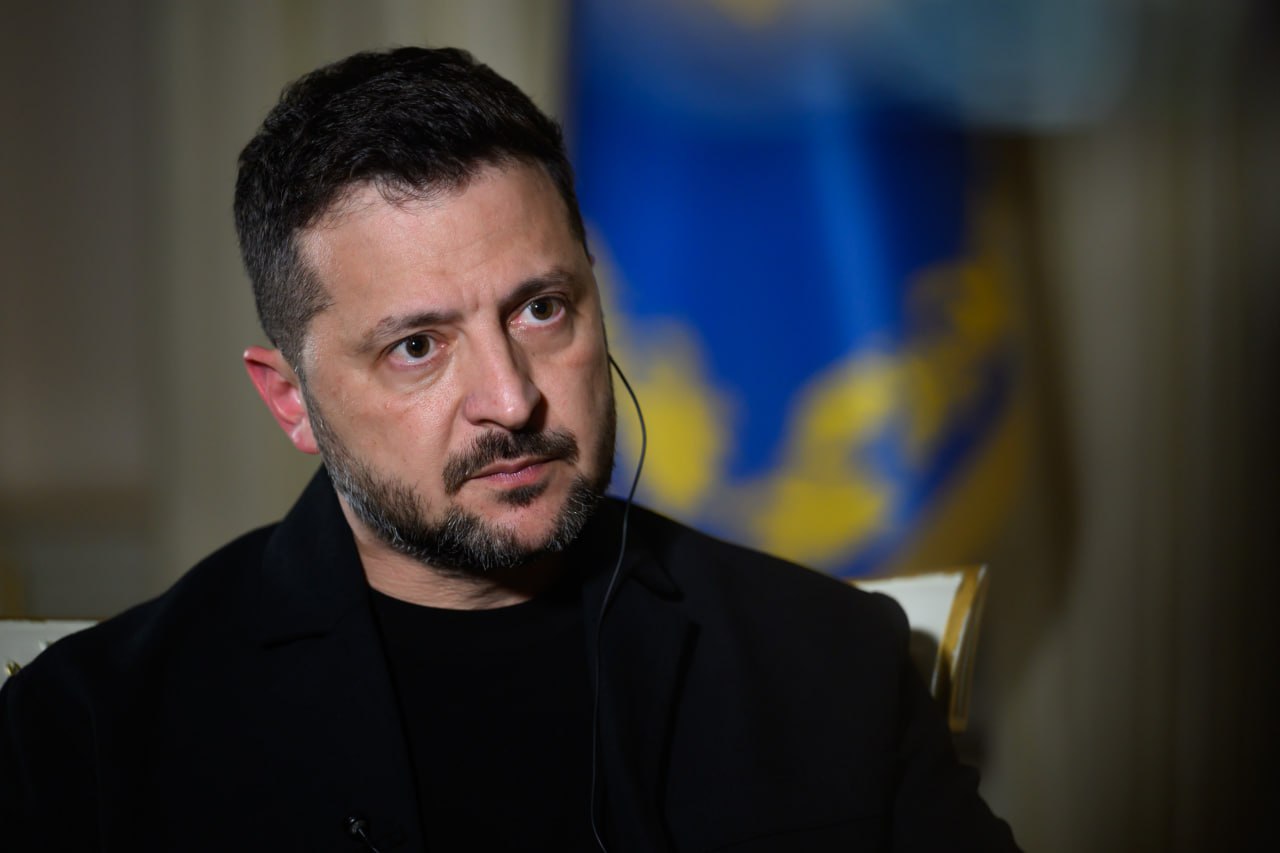
During today’s missile attack by the Russian Federation on Kyiv, some of the missiles were successfully intercepted.
President Volodymyr Zelenskyy announced this on his Telegram channel, according to Censor.NET.
Zelenskyy’s reaction
"The implications of Russia’s authorisation to sell petroleum products were most clearly felt in Kyiv today, when, following numerous attacks using ‘suicide’ rockets against energy infrastructure, a ballistic missile attack also began. Some of the missiles were successfully intercepted. This once again clearly demonstrates Russia’s true intentions. They are counting on the war continuing, on terrorising ordinary people and on destroying infrastructure," the Head of State emphasised.
According to him, every additional billion dollars they manage to earn from exports will be spent precisely on this – on sourcing and importing critical components and equipment for arms production, on strengthening the ‘shaheds’, on the production of missiles, and on recruiting additional mercenaries for the front line.
"Russia’s choice is war. And they will only be prepared to end it when they feel that their ability to prolong the war is diminishing. Yesterday, unfortunately, there were entirely different signals sent to Russia – signals suggesting that it is apparently acceptable to continue attacking. And this needs to be rectified. We need strong signals from the United States, from Europe and from other partners – signals in support of Ukraine and to LIMIT Russia’s ability to wage war and terrorise people. Thank you to everyone who stands with Ukraine!" concluded Zelenskyy.
What led up to it?
As reported, on the afternoon of 10 October, Russian forces launched a missile strike on Kyiv.
Diesel agreement
- On 9 October, US President Donald Trump stated that he had spoken with the Russian dictator Putin, with whom he had agreed on the supply of diesel fuel from Russia to markets in the US and around the world.
- According to him, Russia will "immediately" supply more than 300,000 tonnes of diesel to the US and global markets, a further 500,000 tonnes during November, and another million tonnes "immediately afterwards".
-
The US Department of the Treasury announced that, on Trump’s instructions, the Office of Foreign Assets Control is immediately issuing a temporary general licence to permit the supply of Russian diesel fuel to the global market.
- In response, the President of Ukraine, Volodymyr Zelenskyy, described Russia’s authorisation to sell petroleum products as an "investment in war" and called on the US to hold firm talks with Moscow and impose sanctions under the Lindsey Graham Act.
- It should be recalled that, against the backdrop of Ukrainian strikes on Russian oil refineries, the Russian authorities have extended the ban on diesel fuel exports on several occasions, at least until the end of October.
- The US President has publicly stated that Ukraine must cease its attacks on Russia’s energy sector, as this, he claims, is leading to a shortage of diesel fuel. According to him, the shortage has arisen precisely because of the war in Ukraine, and not because of the US war against Iran.
- Similar statements have been made by other American politicians. For instance, US Treasury Secretary Scott Bessent said that Ukrainian strikes on Russia’s energy sector are leading to an energy crisis. He cited the war with Iran as the second cause of the crisis.


