


Trump could conclude "diesel deal" with Russia even after losing election, - Valtonen
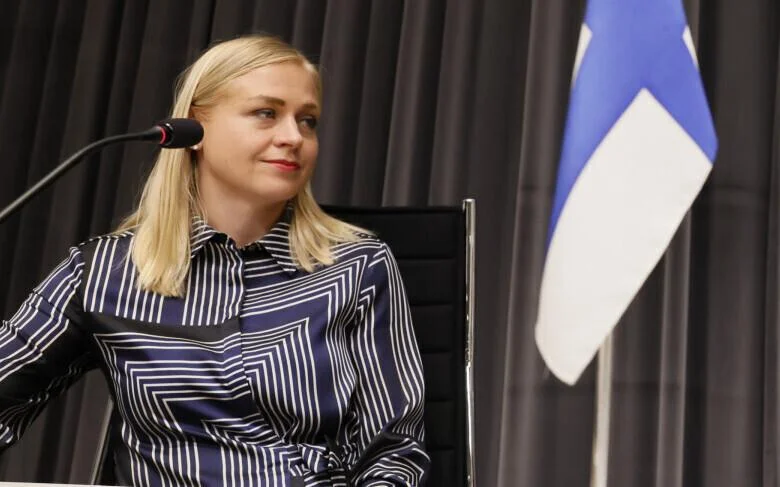
U.S. President Donald Trump retains a great deal of power even after the election, including the power to make deals. At the same time, the election results will not necessarily affect the situation in Europe, Finland, or Ukraine.
This was stated by Finnish Foreign Minister Elina Valtonen, according to Censor.NET, citing Yle.
What is known
As noted, the Democrats won the congressional elections and will hold a majority of seats in both the Senate and the House of Representatives. The new members of Congress will take office in January.
"Starting in January, the president will still have broad veto powers. For example, he can still conclude the diesel deal (with Russia—Ed.) by relying on his presidential powers," Valtonen noted.
Until January, however, the fast-acting Trump will have time to make many more decisions with the support of the current Congress.
The signal from the U.S. election
According to the minister, foreign policy was not an issue in this election, but the rising cost of living may have influenced the choices of some voters.
"This election became a way to express protest against Trump—for both voters and Democrats—even though no clear alternative to him has been offered yet," she added.
Valtonen emphasized that the most important message from this election was that democracy works in the U.S.: a huge number of people exercised their right to vote, and the president acknowledged the result.
Background
- As a reminder, based on the results of the U.S. midterm elections held on November 3, the Democratic Party is now gaining control of both chambers of Congress. This amounts to at least 54 seats in the Senate (a majority requires 51) and more than 231 seats in the House of Representatives (218 are needed). The final results have not yet been tallied.
- Against this backdrop, U.S. President Donald Trump said in an interview with The New York Times that he is "ready to accept the election results" and work with the Democrats. On his social media platform, Truth Social, he wrote that "he was not on the ballot," which is why the Republicans are losing.
- The results of these elections will determine which party controls Congress for the next two years. If the opposition party wins a majority in one or both chambers, it can make it harder for the president to pass legislation and exert greater oversight over his administration. In this case, the Democrats are facing off against Republican Trump.
- Reuters reported earlier that the Democrats, who gained control of both houses of Congress following the U.S. midterm elections, will be able to decide for themselves starting in January what to put to a vote, including new aid to Ukraine. Such a package would likely garner enough votes to override a veto by President Donald Trump.
US–Russia diesel deal and threats against Ukraine
- On October 9, US President Donald Trump said he had spoken with Russian dictator Putin and reached an agreement on Russian diesel supplies to US and global markets.
- According to him, Russia would "immediately" supply more than 300,000 tonnes of diesel to US and global markets, another 500,000 tonnes during November, and a further one million tonnes "immediately after that."
- The US Treasury Department announced that, at Trump’s direction, the Office of Foreign Assets Control was immediately issuing a temporary general license authorizing Russian diesel supplies to the global market.
- In response, Ukrainian President Volodymyr Zelenskyy called permission for Russia to sell petroleum products an "investment in war" and urged the US to hold firm talks with Moscow and impose sanctions under Lindsey Graham’s legislation.
- Axios reported that, during talks in Miami, US presidential special envoy Steve Witkoff and Jared Kushner had allegedly warned the Ukrainian side that access to US intelligence could be cut off if Ukraine continued striking Russian oil refineries.
- On October 11, President Zelenskyy said Ukraine would be ready to halt strikes on Russian refineries if Russia stopped attacking Ukraine’s energy infrastructure.
- That same day, US President Donald Trump announced the start of an energy truce between Ukraine and Russia.
- In comments to Axios, Zelenskyy said US President Donald Trump’s announcement of the start of an "energy truce" had come as a surprise to the Ukrainian side.
- The president later said Ukraine was ready to refrain from striking Russia’s energy sector provided Russia took similar steps.


