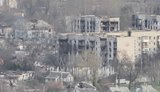
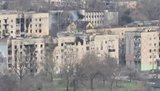
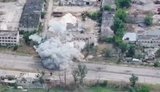
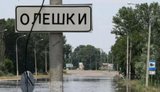
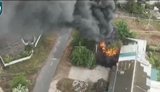
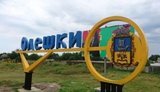
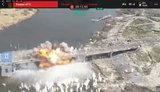
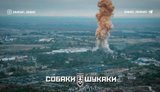
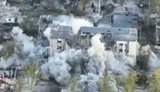
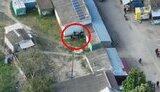
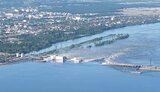
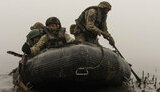
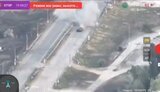
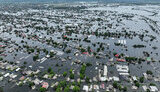
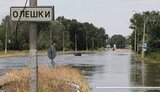
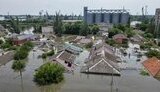
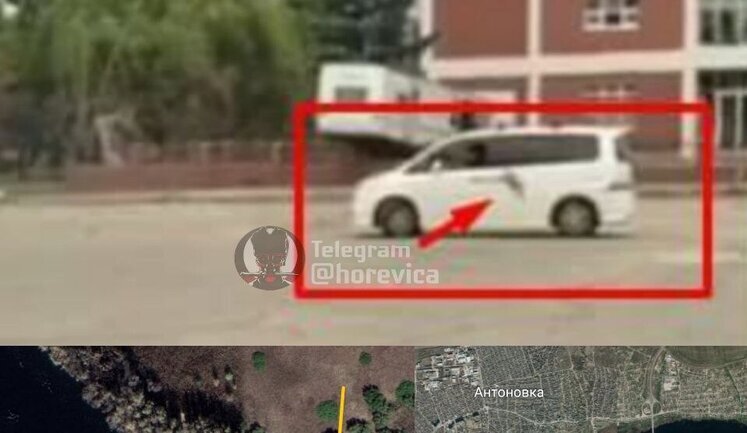
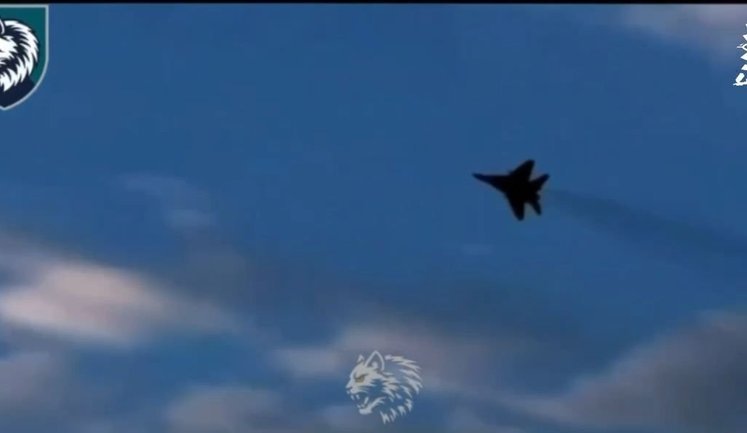
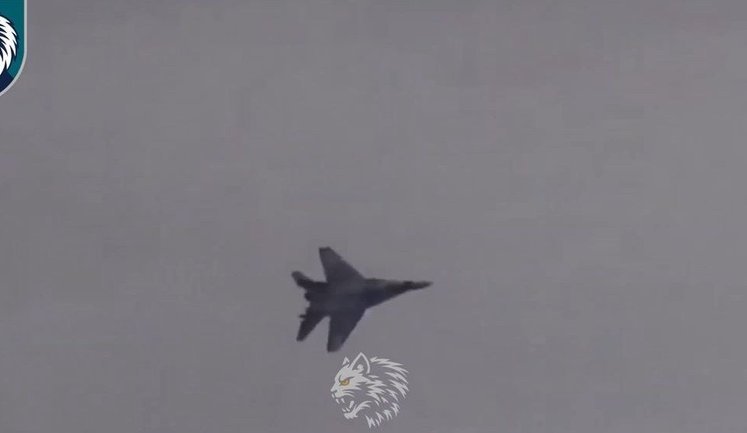
The town of Oleshky, located in the Khersonska region, faces a severe humanitarian crisis due to ongoing Russian occupation. Local activists have unearthed critical concerns, including the illegal removal of children from a boarding facility. Challenges are amplified by the inability of approximately 1,700 remaining residents, including over 40 children, to leave the city. The Ukrainian Air Force has been actively targeting strategic positions within Oleshky, using precise aerial strikes to dismantle Russian command posts and UAV operations. Such actions aim to disrupt the adversary's strategic capabilities. The dire situation has led to international bodies like the Red Cross seeking information on the living conditions, with reports highlighting severe shortages of basic necessities exacerbated by continuous warfare.
What is the current humanitarian situation in Oleshky?
The situation in Oleshky is dire, with a humanitarian disaster unfolding under Russian occupation. Most residents lack basic necessities such as food, electricity, and medicine, while many are trapped in the city, unable to escape.
How many residents are still in occupied Oleshky?
There are approximately 1,700 residents remaining in the occupied town of Oleshky, including more than 40 children. The situation remains critical as leaving the city is reportedly impossible.
What actions has the Ukrainian Air Force taken in Oleshky?
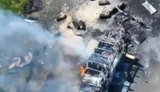
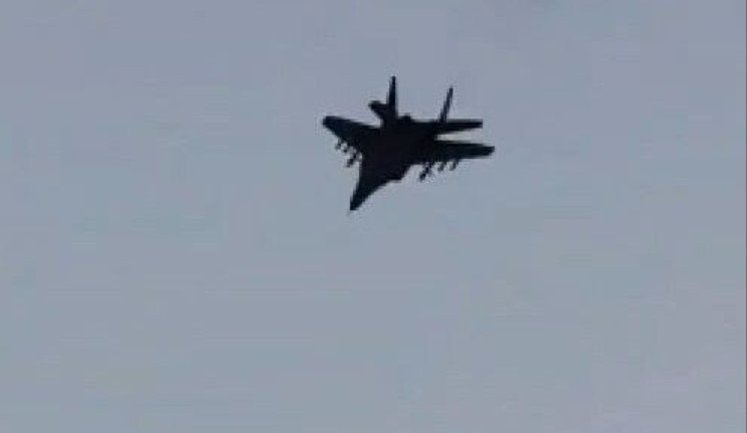
Ukrainian Air Force has conducted strategic aerial strikes targeting Russian command posts and UAV operator bases in Oleshky to undermine their operational effectiveness and control over the occupied area.
Why is Oleshky significant in the Khersonska region conflict?
Oleshky is significant due to its strategic location and the intense military actions occurring there, including airstrikes and airborne reconnaissance, impacting both the Russian and Ukrainian tactics in the ongoing conflict.
What has been reported about the condition of children removed from Oleshky?
Activists have raised alarms over the unlawful removal of children from a boarding facility in Oleshky, identifying 46 out of 84 wards. This has cast a spotlight on the humanitarian issues and violations occurring under occupation.
How has international response been towards Oleshky's crisis?
International bodies, such as the Red Cross, have been actively seeking information and participating in discussions to address the humanitarian crisis in Oleshky, with appeals for humanitarian missions and aid delivery.
What impact has the conflict had on infrastructure in Oleshky?
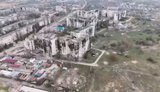
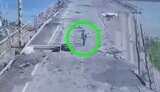
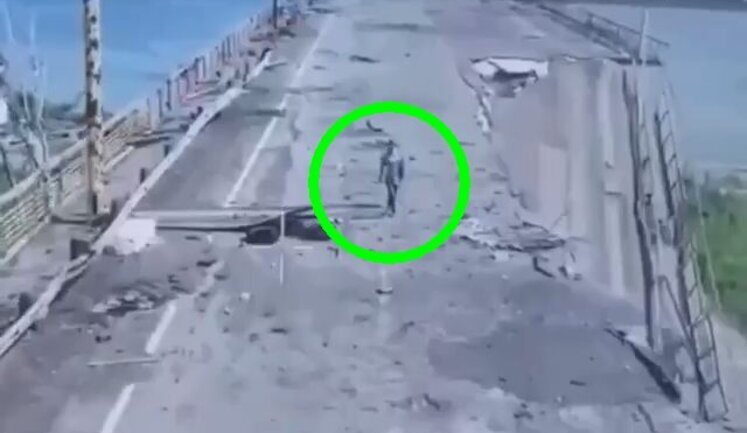
Oleshky's infrastructure has been severely damaged, with reports of destroyed bridges, demolished logistics networks, and widespread shortages making daily life nearly unlivable amid ongoing military operations.