


Musk spent record $446 million on U.S. elections, but Republicans he backed lost almost everywhere — Politico
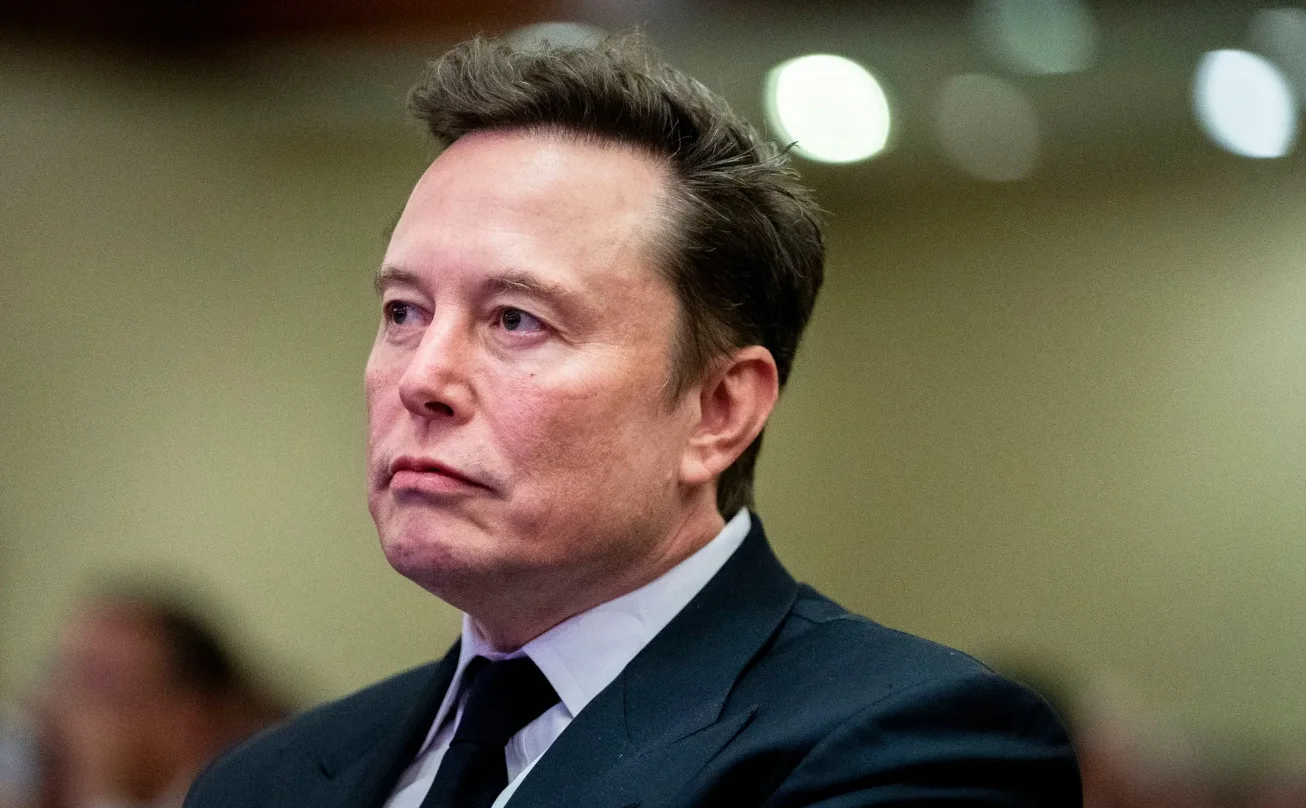
American billionaire Elon Musk spent about $446 million to support Republican candidates in the U.S. midterm elections, but most of them lost. This is the largest amount ever spent on an election by someone who was not running for office themselves.
Politico reports on this, according to Censor.NET.
Who did Musk support, and who lost?
According to the publication, Musk allocated more than $200 million of that amount to campaigns related to Texas. The candidates he supported were defeated across nearly the entire country. Among them were Ken Paxton, who ran for the Senate from Texas, and Vivek Ramaswamy, a candidate for governor of Ohio.
In Texas, Democrat Gina Hinohoshi unexpectedly defeated incumbent Governor Greg Abbott.
Plans for data centers are in doubt
Politico notes that Abbott’s defeat has cast doubt on Musk’s plans to build data centers in Texas. Over the past few years, the state has been a major hub for the construction of such facilities, and Abbott was a key ally of both tech leaders and Wall Street.
"Amid nationwide dissatisfaction with data centers, Texas was supposed to become an oasis for artificial intelligence, where such centers could be built regardless of what was happening in the rest of the U.S. This election changed everything," said Sam Koppelman, publisher of Hunterbrook Media.
Musk's Reaction
On Wednesday morning, Musk wrote on the social media platform X that "data centers in space now seem more appealing." The publication reports that he used the election results to promote an idea he is trying to bring to fruition. Later, the billionaire joked about election interference:
"I guess my space lasers didn't work this time to interfere with the election."
A Target for the Democrats?
Now that the Democrats have gained control of Congress, Musk, according to Politico, may become a target of the party, which is eager to criticize the leaders of tech companies. Some Democrats are calling for them to be summoned to congressional hearings.
Greg Kasar, a Democratic congressman from Texas, said in a statement:
"Voters rejected the Republicans, in part because they had been bought off by billionaires in the artificial intelligence sector. The Democrats should hold them accountable, not accept their checks."
What Is Known About the U.S. Midterm Elections
- As a reminder, based on the results of the U.S. midterm elections held on November 3, the Democratic Party is now gaining control of both chambers of Congress. This amounts to at least 54 seats in the Senate (a majority requires 51) and more than 231 seats in the House of Representatives (218 are needed). The final results have not yet been tallied.
- In these midterm elections, the Democrats turned several states that had been Republican for decades "blue"; in particular, the results in Texas, Kansas, and Southern California reflected this trend.
- The last time a Democrat was elected to the Senate from Texas was in 1988, and from Kansas, in 1932.
- Against this backdrop, U.S. President Donald Trump said in an interview with The New York Times that he is "ready to accept the election results" and work with the Democrats. On his social media platform, Truth Social, he wrote that "he was not on the ballot," which is why the Republicans are losing.
- The results of these elections will determine which party controls Congress for the next two years. If the opposition party wins a majority in one or both chambers, it can make it harder for the president to pass legislation and exert greater oversight over his administration. In this case, the Democrats are facing off against Republican Trump.


