



Why isn’t U.S. signing diesel deal with Ukraine? We’re determining whether refineries in Russia are operating, - Zelenskyy
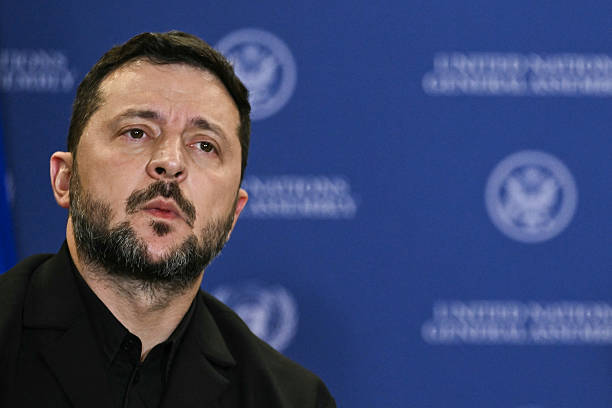
Zelenskyy believes that the volumes of diesel fuel proposed by Russia will not have a significant impact on the global market.
He made these remarks during the Warsaw Security Forum, according to Censor.NET.
Details
Zelenskyy does not believe that the volumes Russia is offering will affect the market.
"We’ve heard figures ranging from 300,000 to 500,000 metric tons per month, even though global consumption stands at 120 million metric tons per month. I don’t think this will have a significant impact. If anyone thinks otherwise, let them think so. I believe there are other motives behind this decision.
If that’s the case, why doesn’t the U.S. then sign a diesel fuel agreement with Ukraine? Let’s propose a diesel agreement with Ukraine. We have the power to determine whether these ships sail; we decide whether oil refineries operate. Let’s do it. Electricity is important to us," he emphasized.
Ukraine is prepared not to attack Russia's diesel infrastructure if there is a guarantee that Ukraine's energy sector will be protected.
"For us, electricity means, first and foremost, helping people," he concluded.
Diesel deal
- On October 9, U.S. President Donald Trump stated that he had spoken with Russian dictator Putin, with whom he had agreed on the supply of diesel fuel from Russia to markets in the United States and around the world.
- According to him, Russia will "immediately" supply more than 300,000 metric tons of diesel to the U.S. and global markets, another 500,000 metric tons in November, and another million metric tons "immediately afterward."
-
The U.S. Department of the Treasury announced that, at Trump's direction, the Office of Foreign Assets Control is immediately issuing a temporary general license to allow the supply of Russian diesel fuel to the global market.
- In response, Ukrainian President Volodymyr Zelenskyy called Russia's authorization to sell petroleum products "an investment in war" and urged the U.S. to have a firm conversation with Moscow and impose sanctions under the Lindsey Graham Act.
- As a reminder, amid Ukrainian strikes on Russian oil refineries, Russian authorities have extended the ban on diesel fuel exports several times, at least through the end of October.
- The U.S. president has publicly stated that Ukraine must stop its attacks on Russia’s energy sector because, he claims, this is leading to a diesel fuel shortage. According to him, the shortage is due specifically to the war in Ukraine, not to the U.S. war against Iran.
- Similar statements have been made by other American politicians. For example, U.S. Treasury Secretary Scott Bessent said that Ukrainian strikes on Russia’s energy sector are leading to an energy crisis. He cited the war with Iran as the second cause of the crisis.


