


Trump’s deal with Putin did not lower diesel prices in U.S., - WSJ
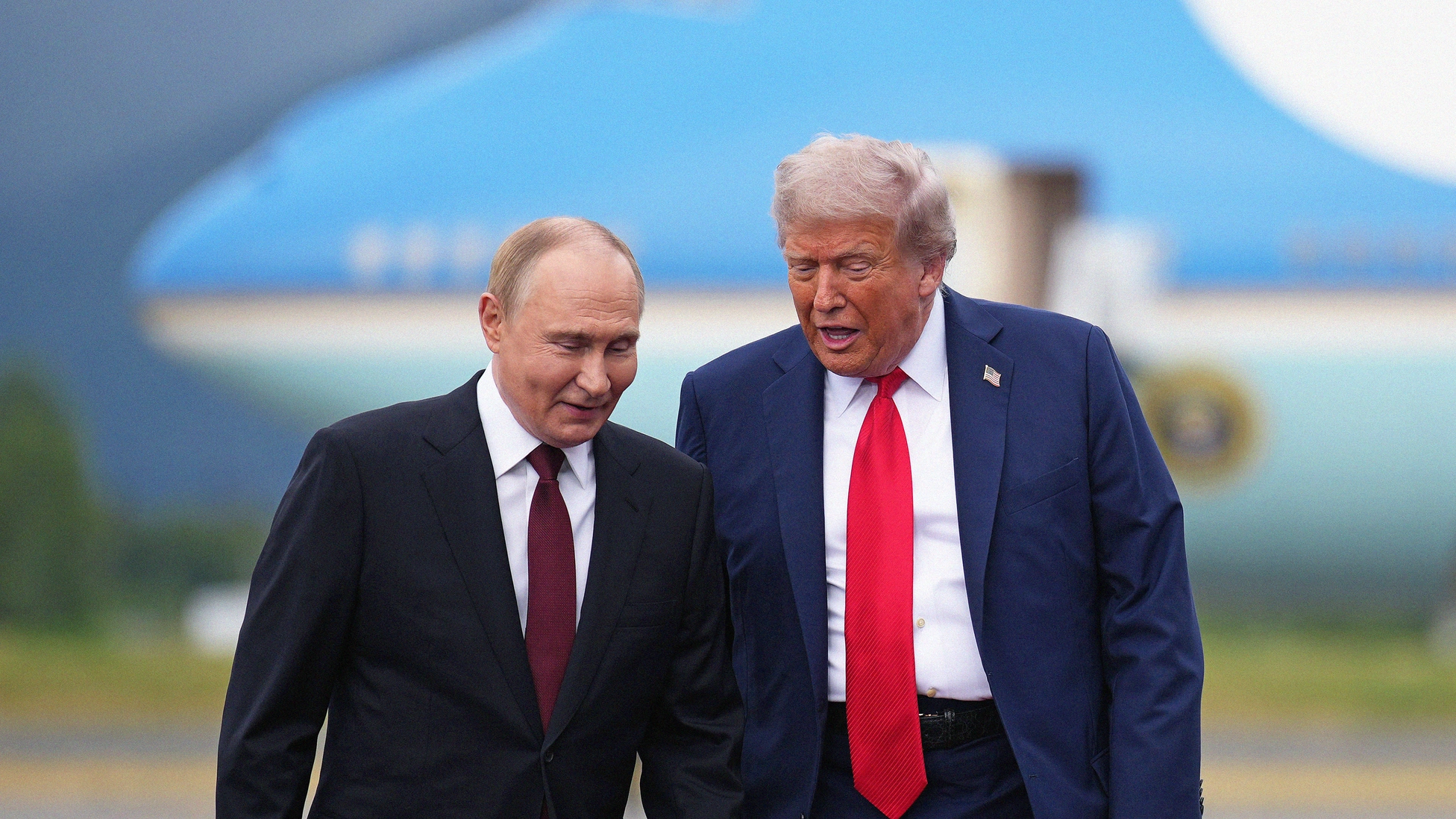
The agreement between U.S. President Donald Trump and Russian leader Vladimir Putin regarding diesel fuel supplies did not lead to a drop in prices on the U.S. market. On the contrary, after the deal was announced, diesel prices in the U.S. rose slightly.
According to Censor.NET, The Wall Street Journal reports this.
According to the American Automobile Association (AAA), on October 28, the average price of a gallon of diesel fuel in the U.S. was $6.35. By comparison, on October 9, when Trump announced the agreement, it was $6.28.
Thus, the price rose by 7 cents per gallon, despite expectations that the agreement with Russia would help stabilize the market.
Russian fuel is slow to reach the U.S. market
Last week, a tanker carrying more than 300,000 barrels of Russian diesel fuel left the port of Primorsk. The ship initially listed New York as its destination but later changed it to "for orders." This indicates that there is no confirmed final port of discharge.
Analysts are skeptical about the prospects for a significant drop in prices as a result of agreements with Moscow. Among the obstacles, they cite problems at Russian oil refineries and export restrictions, which could prevent Russia from delivering the promised volumes of fuel.
Russian supplies may be insufficient
According to estimates cited by the WSJ, the volume of Russian diesel fuel available for export in October was slightly more than 100,000 barrels per day. In November, the figure is expected to be around 125,000 barrels per day.
By comparison, in 2025, Russia exported approximately 800,000 barrels of diesel fuel per day.
Even if Russia fulfills its supply commitments, these volumes will account for only a small portion of the global market shortage. Therefore, analysts do not expect the agreements alone to lead to a significant drop in diesel prices in the U.S.
US–Russia diesel deal and threats against Ukraine
- On October 9, US President Donald Trump said he had spoken with Russian dictator Putin and reached an agreement on Russian diesel supplies to US and global markets.
- According to him, Russia would "immediately" supply more than 300,000 tonnes of diesel to US and global markets, another 500,000 tonnes during November, and a further one million tonnes "immediately after that."
- The US Treasury Department announced that, at Trump’s direction, the Office of Foreign Assets Control was immediately issuing a temporary general license authorizing Russian diesel supplies to the global market.
- In response, Ukrainian President Volodymyr Zelenskyy called permission for Russia to sell petroleum products an "investment in war" and urged the US to hold firm talks with Moscow and impose sanctions under Lindsey Graham’s legislation.
- Axios reported that, during talks in Miami, US presidential special envoy Steve Witkoff and Jared Kushner had allegedly warned the Ukrainian side that access to US intelligence could be cut off if Ukraine continued striking Russian oil refineries.
- On October 11, President Zelenskyy said Ukraine would be ready to halt strikes on Russian refineries if Russia stopped attacking Ukraine’s energy infrastructure.
- That same day, US President Donald Trump announced the start of an energy truce between Ukraine and Russia.
- In comments to Axios, Zelenskyy said US President Donald Trump’s announcement of the start of an "energy truce" had come as a surprise to the Ukrainian side.
- The president later said Ukraine was ready to refrain from striking Russia’s energy sector provided Russia took similar steps.


