



Russia, China and France blocked resolution on Strait of Hormuz at UN
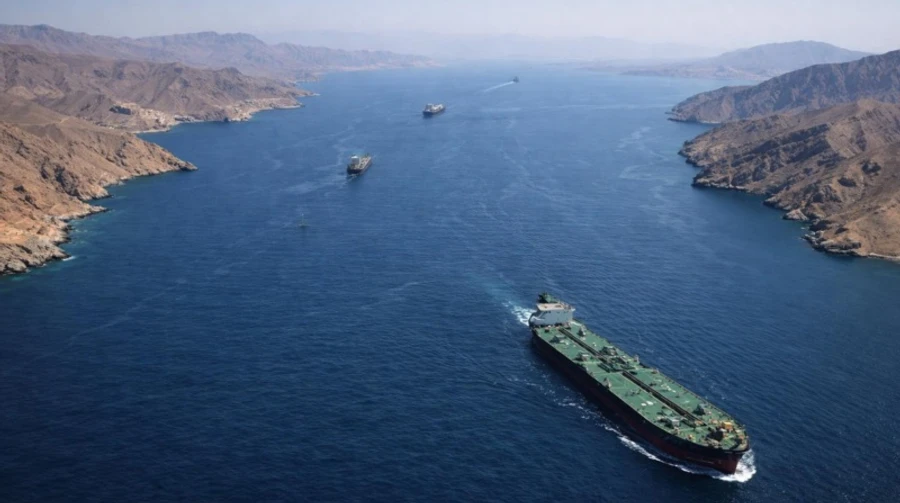
Russia, China, and France opposed a UN draft resolution that would have authorized the use of force to restore navigation in the Strait of Hormuz. The negotiations reached an impasse.
According to Censor.NET, this was reported by The New York Times.
The document, backed by the Gulf states, grants countries the right to use "all necessary means" to deter Iran's attempts to block the strait.
However, according to diplomatic sources, the negotiations have reached an impasse due to the stance taken by a number of major powers. During closed-door consultations, France, Russia, and China opposed language that allows for the use of force.
French President Emmanuel Macron called calls for a forceful reopening of the strait unrealistic, pointing to the significant resources of the Islamic Revolutionary Guard Corps and the risk of a major escalation. At the same time, the war has effectively destroyed Iran’s long-standing efforts to build good-neighborly relations in the region: even traditional mediators such as Oman and Qatar are declaring that diplomacy has suffered irreparable damage. Experts warn that attempting to resolve this political and energy crisis "at gunpoint" without addressing the root causes of the war could only worsen the situation in the Persian Gulf region.
Iranian Deputy Foreign Minister Kazem Gharibabadi announced that a special protocol for transit control is being developed in cooperation with Oman. Despite assurances from the Iranian side that such measures are aimed solely at security and improving services for ships without imposing restrictions, the United States and the international community question the legitimacy of such claims.
What happened before?
- As previously reported by Censor.NET, the Strait of Hormuz is one of the world’s key shipping routes—about one-third of global oil trade and more than a quarter of liquefied natural gas shipments pass through it.
- Blocking it immediately affects global energy prices, disrupts supply chains, and poses risks to the energy security of both Europe and the global market, as most countries in the region have virtually no alternative export routes.


