


Ukrainian strikes have put around 30 per cent of Russia’s oil refining capacity out of action, - Reuters
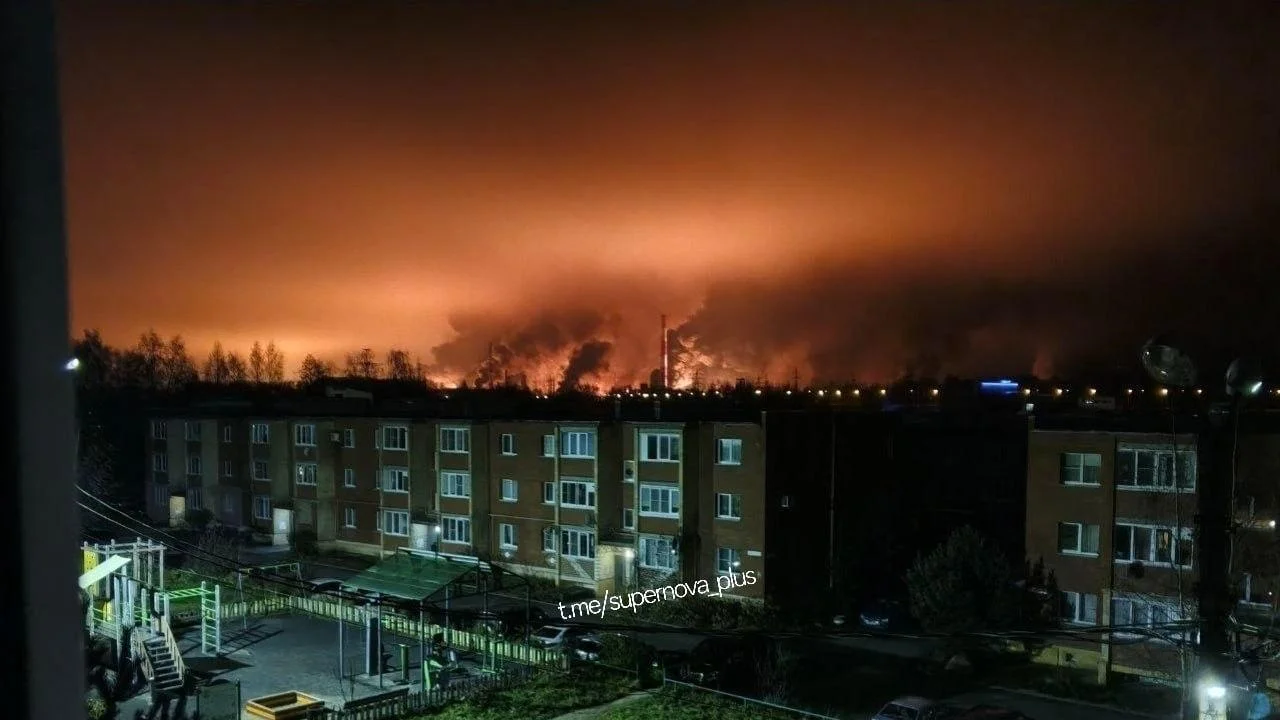
The resumption of Ukrainian strikes on Russian oil refineries since the end of October has disrupted operations at facilities accounting for around 30 per cent of Russia’s total oil refining capacity. Actual refining volumes could fall by 200,000 tonnes per day.
Reuters reports this, citing two industry sources, according to Censor.NET.
According to the agency, Ukrainian attacks have disrupted operations at nine of Russia’s 35 largest oil refineries over the past week.
The total nominal capacity of the facilities that have been targeted since late October stands at around 300,000 tonnes, or 2.2 million barrels per day. This is approximately one-third of the total crude oil refining capacity in the Russian Federation, which stands at 930,000 tonnes per day.
At the same time, Reuters sources estimate that the actual reduction in processing volumes could be 200,000 tonnes per day.
At the end of October, Russian oil refineries were processing approximately 700,000 tonnes, or 5 million barrels, of crude oil per day.
Which Russian oil refineries have been affected?
Among the enterprises whose operations were disrupted by Ukrainian strikes were oil refineries in Ryazan, Yaroslavl and the Volga region.
Furthermore, on 9 November, a Ukrainian drone attacked the Kirisk oil refinery in the Leningrad Oblast – Russia’s second-largest oil refinery. A fire broke out at the plant following the strike.
According to the governor of the Leningrad Region, a woman was killed in the attack.
Ukrainian strikes on the oil refining sector are exacerbating Russia’s fuel shortages on the domestic market.
Last week, the President of Ukraine, Volodymyr Zelenskyy, stated that Ukraine is continuing to target facilities in the Russian oil sector in response to the Russian Federation’s systematic attacks on Ukrainian energy infrastructure.
According to him, Moscow has rejected the de-escalation measures proposed by its partners, whilst Ukrainian power stations, electricity grids, heating and water supply systems remain under constant attack.


