ENG




11451 visitors online
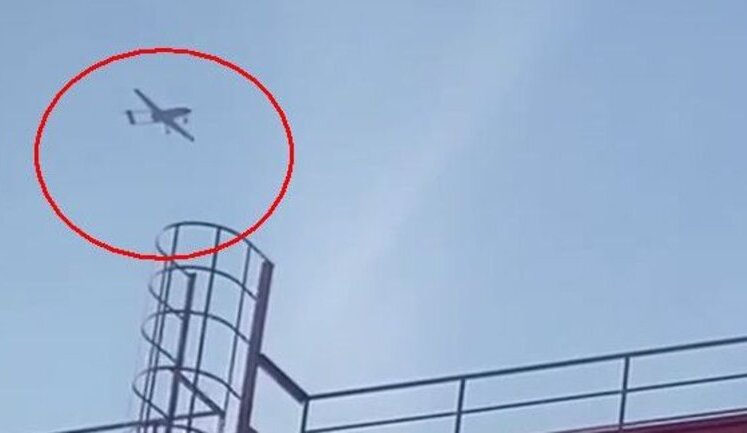
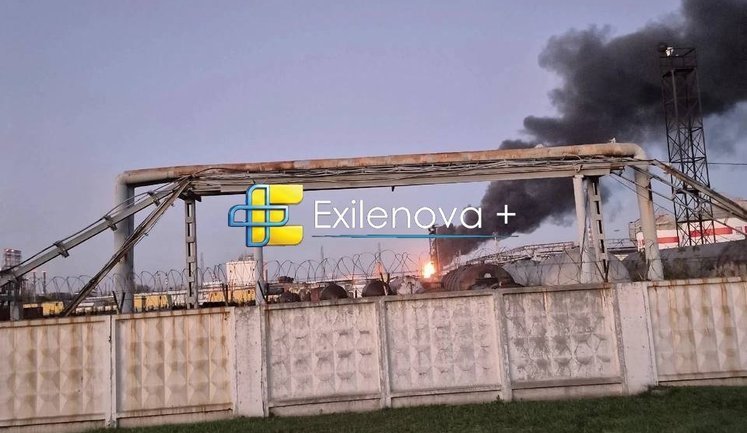
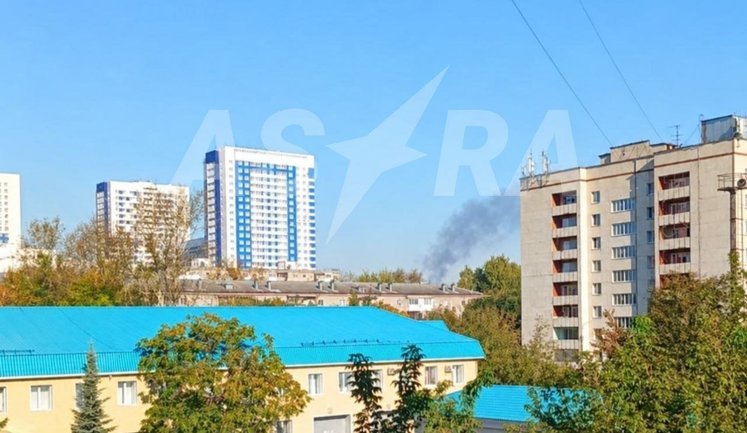
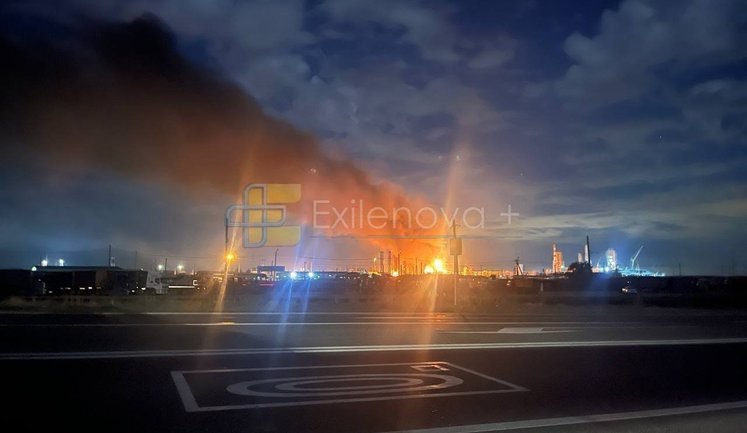
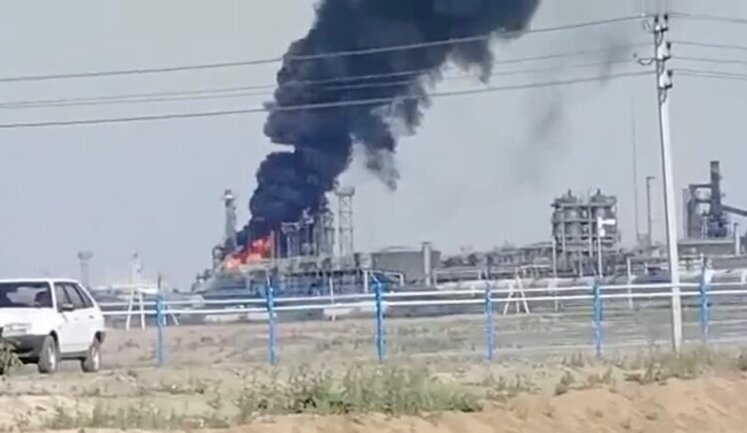
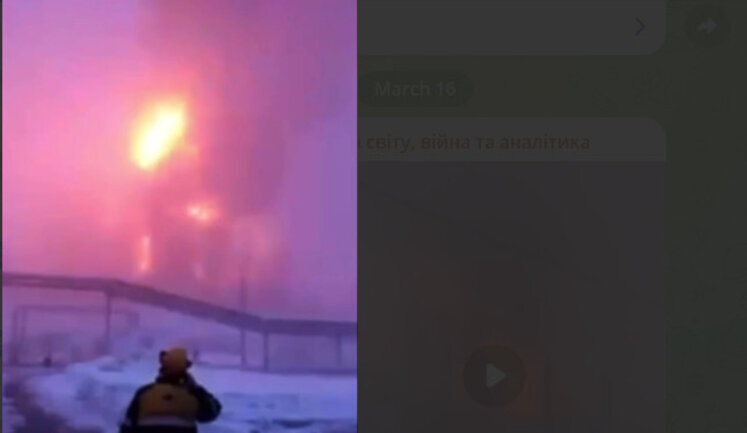
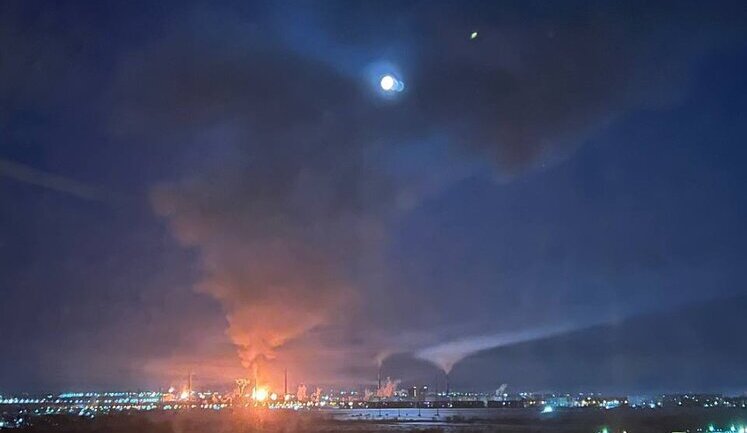
Recent escalations involved significant attacks on oil refineries across Russia. Ukrainian defense forces targeted sites like Sloviansk-na-Kubani and Nizhnekamsk. President Trump urged a halt to these actions, citing diesel shortages. However, Ukraine confirmed further strikes on strategic infrastructure, sparking large fires and halting operations at refineries such as NOVATEK-Ust-Luga. These events contributed to a global energy shock, as highlighted by US Treasury Secretary Scott Bessent. As with the Saratov and Volgograd refineries, Russia faces ongoing challenges in restoring capacities amidst these military engagements and retaliatory threats.
Why did Ukraine target oil refineries in Russia?
Ukraine targeted oil refineries in Russia to disrupt supply chains crucial to the Russian economy and military infrastructure. This strategy aims to weaken Russia's operational capabilities and exert pressure amidst ongoing conflicts. Additionally, the strikes are intended to lessen Russia's capacity to support its armed forces.
What are the impacts of strikes on Russian oil refineries?
The strikes on Russian oil refineries have led to significant impacts, including diesel shortages within Russia and economic ripple effects felt globally, as indicated by energy price fluctuations and supply chain disruptions. The attacks disrupt domestic supply networks and indicate vulnerabilities within Russia's infrastructure.
How has President Trump's response affected the situation?
President Trump's call for halting Ukraine's strikes reflects concerns over global energy supply stability and diplomatic relations. His intervention seeks to prevent further escalation and mitigate impacts on fuel shortages, although the effectiveness of this appeal remains uncertain due to the prevailing geopolitical tensions.
Which regions in Russia have been affected by the refinery strikes?
The Ukrainian defense forces have targeted oil refineries in various Russian regions, including the Daushanks in Krasnodar Krai, Tatarstan's Nizhnekamsk, Saratov, and Volgograd. Each strike led to significant fires and operational halts, reflecting the extensive geographic spread and strategic targeting rationale.
What role do drone strikes play in these attacks?
Drone strikes are a primary method of attack in recent operations against Russian oil refineries. They enable precise, remote engagements, limiting immediate risk to personnel while maximizing damage to key infrastructure components. Their use underscores technological advances in military tactics employed in this conflict.
How is Ukraine justifying these military actions?
Ukraine justifies its military actions as necessary defensive measures against Russian aggression. By targeting critical infrastructures, Ukraine aims to disrupt enemy operations and diminish Russia's ability to sustain offensive capacities. These actions are portrayed as deterrents and strategic efforts to tilt conflict dynamics.
Is there any international response to the refinery attacks?
International responses to the refinery attacks include calls for de-escalation and expressions of concern over global energy and economic impacts. Nations like the United States emphasize diplomatic solutions to avoid prolonged economic disruptions stemming from energy supply instability exacerbated by ongoing military engagements.
News Oil refineries
 Ukraine has carried out strikes on Russian oil facilities and military infrastructure, - Zelenskyy Over the past 24 hours, the Defense Forces struck a number of Russian oil facilities and military infrastructure. In particular, facilities in the Samara and Volgograd regions of the Russian Federation were targeted. 1 221 9 Previously in trend: Drone attack on Russian regions
 Against backdrop of Ukrainian attacks on oil refineries, Putin has banned publication of data on Russian oil industry On Monday, 28 September, Russian dictator Vladimir Putin signed a decree restricting access to information "in the fuel and energy sector". 1 486 6 Previously in trend: UAV attack on oil refinery of Russia Strikes on Russia’s oil refining sector
 Ukraine struck six strategic Russian oil refineries within week, located up to 1,600 km from front line, – Ministry of Defence. VIDEO Over the course of a week, refineries in Moscow, Perm, Novoshakhtinsk, Kuibyshev and elsewhere in the Russian Federation were hit, as well as the ‘Iskra’ factory, which manufactures electronics for military equipment. 1 584 41 Previously in trend: UAV attack on oil refinery of Russia
 Ilsky Oil Refinery in Russia’s Krasnodar Krai hit – General Staff On the night of September 26, 2026, units of the Ukrainian Defense Forces struck the "Ilsky Oil Refinery" in Ilsky, Krasnodar Krai, Russian Federation; a fire was reported on the refinery’s premises. 1 138 12 Previously in trend: UAV attack on oil refinery of Russia
 Drone attack on Krasnodar Krai: Ilsky Oil Refinery is on fire. VIDEO On the night of 26 September, the Krasnodar Krai region of Russia was attacked by drones. Local residents reported explosions and air defence activity. Following the attack, fires broke out on the premises of two industrial sites. 4 894 9 Previously in trend: UAV attack on oil refinery of Russia
Perm oil refinery in Russia has halted operations following attack by Ukrainian drones, - Reuters The Perm oil refinery, the seventh-largest in Russia in terms of processing capacity, ceased operations on 25 September following an attack by Ukrainian drones. 1 772 22 Previously in trend: UAV attack on oil refinery of Russia
 General Staff confirmed strikes on two Russian oil refineries and radar station; fires broke out at facilities The General Staff confirmed that a number of Russian military, fuel and energy, and industrial facilities were struck on September 24 and during the night of September 25. Specifically, two oil refineries were hit, as well as two Russian radar stations in the Novoshakhtinsk area. 1 156 1 Previously in trend: UAV attack on oil refinery of Russia
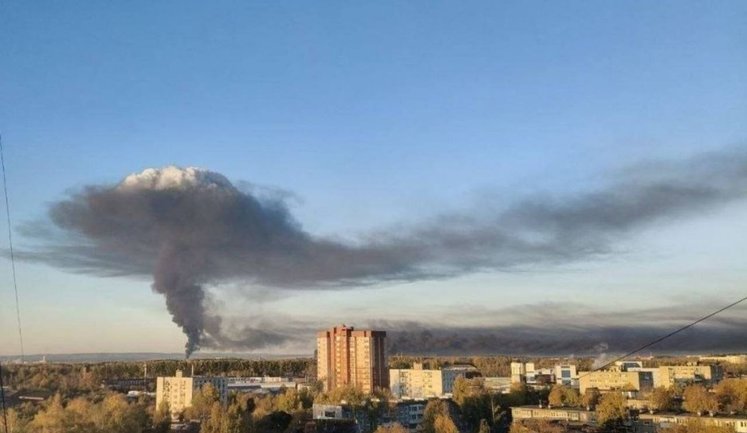
 UAVs attacked oil refinery in Perm: massive fire broke out. VIDEO+PHOTOS On the morning of 25 September, drones attacked an oil refinery in Perm (Russia). Following the strike, a major fire broke out on the refinery’s premises. 6 076 71 Previously in trend: UAV attack on oil refinery of Russia
 Drones have attacked Bashkortostan: smoke is likely visible near Ufa oil refinery. PHOTO On the morning of 23 September, Bashkortostan came under attack from UAVs. 1 919 1 Previously in trend: Drone attack on Russian regions UAV attack on oil refinery of Russia
 Zelenskyy on strikes against Russian oil refineries: We have destroyed 45 per cent of their capacity President Volodymyr Zelenskyy stated that Ukraine had destroyed 45 per cent of Russia’s oil refining capacity. 2 625 21 Previously in trend: UAV attack on oil refinery of Russia
 Ukraine’s attacks on oil refineries dealt Russia "serious blow"; I will discuss this with Zelenskyy – Trump US President Donald Trump once again said that Ukraine’s strikes on Russian oil refineries had already affected diesel prices and called this a "serious problem" for Russia. 3 570 18 Previously in trend: UAV attack on oil refinery of Russia Trump statements
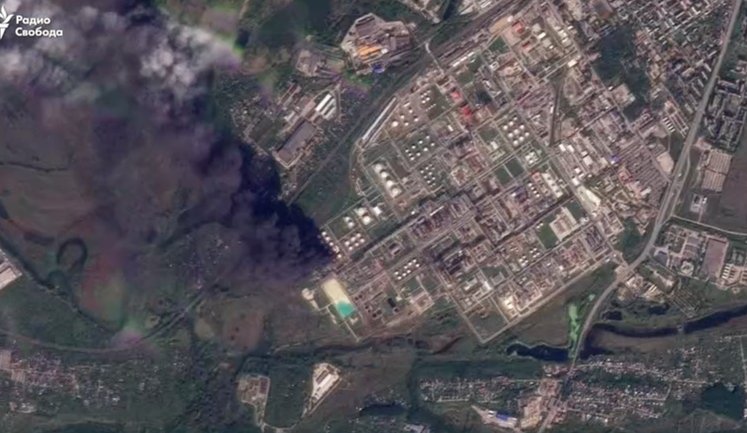
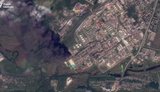 Aftermath of Defence Forces attack on Kuibyshev refinery in Russia’s Samara region. SATELLITE PHOTOS Following a drone strike on the Kuibyshev oil refinery in Russia’s Samara region on the night of 22 September, the first satellite images of the facility were published on social media. 2 462 5 Previously in trend: Drone attack on Russian regions UAV attack on oil refinery of Russia
 "Bashneft-UNPZ" and the Kuibyshev Oil Refinery have been struck on Russian territory, - General Staff Defense forces struck two key oil refining facilities on Russian territory. 2 125 12 Previously in trend: UAV attack on oil refinery of Russia
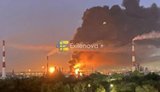 Drone attack on Russia: Kuibyshev Oil Refinery in Samara Region is on fire. VIDEO+PHOTO On the night of 22 September, drones attacked the Kuibyshev Oil Refinery in the Samara Region of Russia. Following the explosions, a major fire broke out on the refinery’s premises. 7 251 16 Previously in trend: UAV attack on oil refinery of Russia
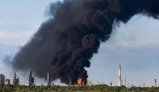 Defence Forces disable over 45% of Russian oil refining capacity – General Staff As of September 21, 2026, Ukraine’s Defence Forces have disabled more than 45% of Russia’s oil refining design capacity. This figure was reached following the latest strike on the Moscow oil refinery. 1 134 2 Previously in trend: UAV attack on oil refinery of Russia
 Sikorski warned Russia of NATO response in event of attack: "We will respond both defensively and offensively" Polish Foreign Minister Radosław Sikorski stated that he personally warned the Russian side about the possible consequences of aggression against NATO. According to him, the Alliance has more combat aircraft than Russia, and in the event of an attack, it will not limit itself to defensive actions. 3 315 48 Previously in trend: Threat of Russian agression to EU
 During telephone conversation, Trump repeatedly asked Zelenskyy to stop strikes on Russian oil refineries, - Axios During a telephone conversation with Ukrainian President Volodymyr Zelenskyy, US President Donald Trump repeatedly asked him to stop the strikes on Russian oil refineries. 10 809 86 Previously in trend: UAV attack on oil refinery of Russia Strike on oil refinery in Moscow
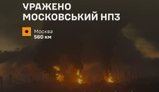 Attack on Moscow Oil Refinery: General Staff has provided details On the night of 20 September 2026, units of the Ukrainian Defence Forces struck the ‘Gazpromneft-Moscow Refinery’ in the Kapotnya district of Moscow, Russian Federation. 6 072 25 Previously in trend: Strike on oil refinery in Moscow
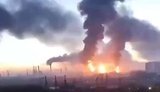 Russians are filming burning buildings following massive drone attack on Moscow and surrounding region. VIDEO Videos have been posted online showing Moscow residents filming fires that broke out as a result of a drone attack. 17 419 58 Previously in trend: UAV attack on oil refinery of Russia Drone attack on Moscow Strike on oil refinery in Moscow
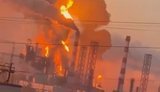 Drones attacked Moscow and surrounding region: Moscow Oil Refinery and warehouses in Sofino are on fire. VIDEO On the night of 20 September, drones attacked Moscow and the Moscow Region. 10 155 63 Previously in trend: UAV attack on oil refinery of Russia Drone attack on Moscow Strike on oil refinery in Moscow
 Yaroslavl oil refinery has been struck, whilst aircraft and helicopters have been hit at military airfield in Rostov, – Zelenskyy. VIDEO President Volodymyr Zelenskyy reported on the successful strikes against the Yaroslavl oil refinery and the military airfield in Rostov. 5 320 22 Previously in trend: Drone attack on Russian regions UAV attack on oil refinery of Russia
 Drones attacked oil refinery in Yaroslavl: fire broke out On the night of 17 September, drones attacked Yaroslavl in Russia. The Yaroslavl oil refinery was hit, and a fire broke out on the site. 2 968 6 Previously in trend: Drone attack on Russian regions UAV attack on oil refinery of Russia
 Elimination of Russian General Grunis, shutdown of two Rosneft oil refineries and criminal liability for fraudulent call centres: top news stories for 16 September. VIDEO Unmanned aerial systems have eliminated Russian Major General Anton Grunis. Russia launched strikes on Sumy, Kropyvnytskyi, and Kyiv, destroying the warehouses of the Olena Zelenska Foundation and the ‘Kvartal 95’ studio. The Verkhovna Rada passed, and the President signed, a law on criminal... 2 940 4
Two more Rosneft refineries completely halt processing after drone attacks Rosneft’s Saratov and Syzran refineries have completely halted crude oil processing after being damaged in drone attacks. The two plants have a combined capacity of more than 15 million tonnes a year. 2 231 8 Previously in trend: UAV attack on oil refinery of Russia
 Drone attacks in Russia: Rosneft oil refinery on fire; explosions in Taganrog On the night of September 14–15, attacks on industrial facilities were reported in a number of Russian regions. 4 616 8 Previously in trend: UAV attack on oil refinery of Russia Drones attacked Ozon’s warehouses
 Trump called on Zelenskyy to stop strikes on oil refineries in Russia: He is causing diesel fuel shortage. VIDEO US President Donald Trump has called on the President of Ukraine to halt attacks on oil refineries in Russia. According to him, these attacks are causing a shortage of diesel fuel. 18 636 270 Previously in trend: UAV attack on oil refinery of Russia
 Oil refineries in Sloviansk-na-Kubani and Nizhnekamsk have been hit. Results of strike on Saratov refinery have been clarified, - General Staff On the night of September 13, 2026, units of the Ukrainian Defense Forces struck two oil refineries in the Krasnodar Krai of the Russian Federation and in Tatarstan. 2 035 7 Previously in trend: UAV attack on oil refinery of Russia
 Oil refinery is on fire in Sloviansk-on-Kuban following attack. VIDEO&PHOTOS An oil refinery is on fire in Slavyansk-on-Kuban, in Russia’s Krasnodar Krai, following a night-time attack. 5 808 15 Previously in trend: Drone attack on Russian regions UAV attack on oil refinery of Russia
 Defense forces struck Saratov Oil Refinery: fires broke out on refinery grounds, - General Staff Ukrainian defense forces struck the Saratov Oil Refinery on the night of September 11. Fires were reported on the refinery grounds; the extent of the damage is being assessed. 1 667 15 Previously in trend: UAV attack on oil refinery of Russia
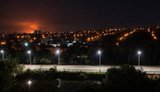 Fire has been reported at Lukoil oil refinery in Volgograd On the night of September 11, drones attacked Volgograd. A massive fire broke out at the "Lukoil-Volgogradneftepererabotka" oil refinery. 3 386 10 Previously in trend: UAV attack on oil refinery of Russia
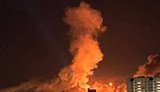 In Saratov, drones attacked oil refinery and Ozon logistics hub: large-scale fire has been reported. VIDEO+PHOTO On the night of 11 September, the Saratov Region was attacked by drones. Explosions were heard in the regional capital and in Engels. It is believed that the Saratov oil refinery and the Ozon marketplace’s logistics complex were targeted. 5 804 10 Previously in trend: UAV attack on oil refinery of Russia Drones attacked Ozon’s warehouses
 Defence Forces struck oil refinery in Yamalo-Nenets region and port in Dagestan, – Zelenskyy. PHOTO President Volodymyr Zelenskyy spoke about strikes on targets within the Russian Federation. 3 298 18 Previously in trend: UAV attack on oil refinery of Russia Striking Russia
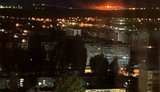 Explosions were heard in Saratov Region: there are reports of attack on an oil refinery and the "Engels-2" airfield Explosions were heard in the Saratov Region of the Russian Federation on the night of September 8. Local residents report that air defense systems were activated and that there was a drone attack. 4 999 32 Previously in trend: Drone attack on Russian regions Striking Russia
 Oil refinery, aircraft, helicopter and EW systems: Defence Forces hit number of enemy targets over past week Over the past week, from August 31 to September 6, the Defence Forces struck a number of important military and infrastructure sites in Russia and temporarily occupied territories of Ukraine. 1 421 4 Previously in trend: UAV attack on oil refinery of Russia Strikes on Russian logistics Striking Russia
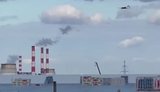 Oil refineries in three regions of Russian Federation and storage facility for strike UAVs in Kursk region have been struck, – Zelenskyy. VIDEO President Volodymyr Zelenskyy announced that Ukrainian forces had carried out strikes on Russian oil refineries, storage facilities and launch sites for attack drones, as well as targets in the Black Sea. 4 994 12 Previously in trend: Drone attack on Russian regions UAV attack on oil refinery of Russia
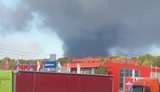 Russians deployed attack helicopter during strike on Ryazan oil refinery, but drones reached their target. VIDEO On the night of 6 September, operators from the 1st Separate Air Defence Centre and the 414th Separate Brigade ‘Madyar’s Birds’, together with other units of the Ukrainian Defence Forces, struck the Ryazan Oil Refinery. 10 469 6 Previously in trend: UAV attack on oil refinery of Russia
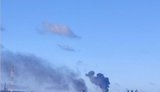 Ryazan oil refinery, airfield, and three air defense facilities in Russia hit, - General Staff On the night of September 6, 2026, units of the Ukrainian Defense Forces struck a number of enemy targets. 1 854 2 Previously in trend: UAV attack on oil refinery of Russia Striking Russia
 Drones attacked Ryazan: fire broke out at oil refinery, – media. VIDEO&PHOTOS Drones have attacked the Ryazan Region of the Russian Federation. An oil refinery in Ryazan is on fire following the attack. 5 861 11 Previously in trend: UAV attack on oil refinery of Russia
 Two major oil refineries in Russia have halted operations following attacks, - General Staff Following the strikes, it was confirmed that operations had ceased at "LUKOIL-Nizhegorodnefteorgsintez" in Kstovo and at the "NOVATEK-Ust-Luga" complex. At the latter facility, pipelines, a gas condensate processing unit, and hydrocracking columns were damaged. 1 263 3 Previously in trend: UAV attack on oil refinery of Russia
Putin: Russia launches "retaliatory strikes" so that Ukraine "will not be tempted" to attack Russian oil refineries Russian dictator Putin once again tried to convince his audience that hostilities against Ukraine allegedly do not harm the Russian economy in any way, while describing strikes on Ukrainian territory as a "response" to attacks by the Armed Forces of Ukraine on Russian oil refineries. 3 516 36 Previously in trend: Putin’s statements about Ukraine Striking Russia Putin’s threats
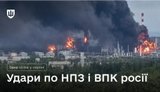 Deep strike in August: 12 oil refineries and 2 defence industry enterprises in Russian Federation were hit, - Ministry of Defence. PHOTOS In August, the Ukrainian deep-strike campaign against Russia reached depths of over 1,500 km from the state border, targeting critical nodes of the enemy’s military machine. The defence forces struck 12 major oil refineries, facilities in the gas and petrochemical sectors, and enterprises within... 464 0 Previously in trend: Striking Russia
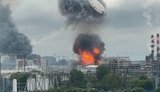 Ukraine’s strikes on Russian refineries among causes of global energy shock, Bessent says US Treasury Secretary Scott Bessent has named Ukraine’s strikes on Russian oil refineries as one of the causes of the global energy shock. 6 119 72 Previously in trend: UAV attack on oil refinery of Russia
 General Staff has confirmed attack on NOVATEK-Ust-Luga oil refinery: damage was caused, followed by fire On 1 September 2026, units of the Ukrainian Defence Forces struck the oil refinery ‘NOVATEK-Ust-Luga’ in Slobodka, Leningrad Oblast, Russian Federation. 1 045 4 Previously in trend: UAV attack on oil refinery of Russia Striking Russia
 Russia’s second-largest oil refinery completely halts crude processing after drone attack Russia’s second-largest oil refinery, Kirishinefteorgsintez, has completely halted oil processing following a drone attack on August 30. The plant accounts for about 7% of Russia’s total oil refining capacity and is the largest fuel supplier to St. Petersburg and the country’s northwestern regions. 17 803 11 Previously in trend: Striking Russia
 Zelenskyy confirmed long-range strikes on enemy airfield, oil refinery and UAV bases, and called on partners to exert pressure. VIDEO The President of Ukraine, Volodymyr Zelenskyy, has confirmed that the Defence Forces have carried out successful strikes on military targets on Russian territory. 2 005 20 Previously in trend: Drone attack on Russian regions UAV attack on oil refinery of Russia
 Drones attack Leningrad region: one of Russia’s largest oil refineries, Kirishinefteorgsintez, reportedly on fire. VIDEO In the Leningrad Region, the ‘Kirishinefteorgsintez’ oil refinery is believed to be on fire following a drone attack. 7 251 34 Previously in trend: UAV attack on oil refinery of Russia
 Drones attacked oil refinery in Yaroslavl: fire broke out at the plant. VIDEO On the morning of 28 August, drones attacked a local oil refinery in Yaroslavl, Russia. A major fire broke out on the refinery’s premises following the attack. 5 965 11 Previously in trend: Drone attack on Russian regions UAV attack on oil refinery of Russia
 Russia’s fourth-largest oil refinery suspends crude processing after Ukrainian drone attack – Reuters Russia’s fourth-largest oil refinery and its second-largest petrol producer, NORSI (Nizhegorodnefteorgsintez), has suspended crude oil processing following a Ukrainian drone attack. 2 867 4 Previously in trend: UAV attack on oil refinery of Russia
Page 1 of 11
more news