ENG




8144 visitors online
The PURL program, a critical initiative in strengthening Ukraine's defense, facilitates the purchase of American weapons through financial contributions from global partners. Following the Ramstein summit, around $4 billion in aid was announced, highlighting the program's significance. European nations, including Germany, Norway, and Sweden, have made substantial contributions, ensuring the steady flow of essential military resources. The US has affirmed its commitment to supply arms, contingent on European procurement. Recent meetings between President Zelenskyy and international leaders underscore the initiative's importance and the strategic role of allies in bolstering Ukraine's defense capabilities. As geopolitical tensions persist, the PURL program remains pivotal in securing Ukraine's defensive posture and maintaining regional stability.
What is the PURL program and its main objective?
The PURL program stands for Prioritized Ukraine Requirements List, a NATO initiative aimed at funding the procurement of US-made weapons for Ukraine. Its main objective is to bolster Ukraine's defense by ensuring a steady supply of critical military resources from the US, financed by contributions from European and international allies.
Which countries are actively participating in the PURL program?
Numerous countries, including Germany, Norway, Sweden, Canada, and Japan, have actively contributed to the PURL program. These nations provide financial assistance that enables the purchase of American weapons for Ukraine. The collaborative international support underscores the global commitment to strengthening Ukraine's defense capabilities and security.
How much funding has the PURL program received in total?
Since its inception, the PURL program has received substantial contributions exceeding $4 billion. This funding comes from a coalition of 21 countries supporting Ukraine's defense efforts by financing the acquisition of crucial military equipment from the United States, enhancing Ukraine's capacity to address security challenges.
What types of weapons are purchased through the PURL program?
Under the PURL program, the focus is on acquiring critical air defense systems and other vital military equipment from the United States. These purchases, facilitated by international funds, are integral to fortifying Ukraine's defense infrastructure and equipping its forces to address emerging security threats effectively.
How does the PURL program impact Ukraine's military capabilities?
The PURL program significantly enhances Ukraine's military capabilities by providing access to advanced American weaponry. This international support plays a crucial role in strengthening Ukraine's defense against external threats, particularly in reinforcing airspace security and fortifying ground defenses amid ongoing geopolitical tensions.
What role does the US play in the PURL program?
The United States serves as a primary supplier of the military equipment funded by the PURL program. While European and other international allies finance the purchases, the US ensures the provision of necessary weapons and systems, reinforcing Ukraine's defense infrastructure and fostering collaborative international defense efforts.
w117_header_alt PURL program
 75% of missiles for Patriot systems and 90% of air defence munitions: NATO confirms PURL continues after Trump’s statements US weapons supplied to Ukraine under the PURL initiative and financed by NATO allies and partners continue to arrive. The Alliance confirmed that deliveries are ongoing despite statements by US President Donald Trump about a temporary suspension of ammunition exports. 1 612 2 Previously in trend: US aid to Ukraine NATO aid to Ukraine PURL program
 Sweden provides Ukraine with additional $28 million for defence: half allocated to PURL programme Sweden is providing an additional contribution of approximately SEK 270 million (about $28.3 million) to several multilateral funds and initiatives to support Ukraine. 462 1 Previously in trend: Sweden’s aid to Ukraine PURL program
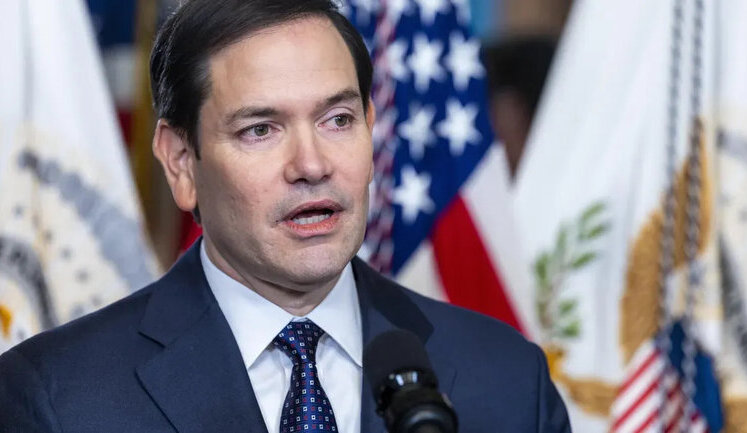
 US will continue selling weapons to Ukraine through NATO mechanisms, Rubio says after meeting with Lavrov US Secretary of State Marco Rubio said that the United States has no intention of halting arms supplies to Ukraine through NATO under the PURL programme. 6 336 34 Previously in trend: US aid to Ukraine PURL program
 Russian Armed Forces are losing more than 400 soldiers per square kilometer in Donetsk Oblast, - Syrskyi The Ukrainian Armed Forces are seizing the strategic initiative by striking Russian military targets and logistics. According to Syrskyi, Russia is losing more than 400 soldiers for every 1 km² of ground gained in the Donetsk region. 950 22 Previously in trend: Elimination of Russian occupiers PURL program
 Slovenia to allocate $50 million to Ukraine under PURL and fund construction of three shelters Slovenia has announced an additional $50 million for Ukraine under the PURL program and will join the financing of the construction of three civil protection facilities. 325 1 Previously in trend: PURL program Slovenia’s support for Ukraine
 Norway has allocated 260 million euros for air defense missiles for Ukraine The Norwegian government is providing 3 billion kroner (more than 269 million euros) to support Ukraine's air defense. 413 3 Previously in trend: Aid to Ukraine from Norway PURL program
 Turkey will continue to help Ukraine and encourage Russia to make peace, - Erdogan Turkish President Recep Tayyip Erdoğan assured that Ankara will continue to provide assistance to Ukraine. 1 018 12 Previously in trend: PURL program
 Babis’ government announced Czech Republic’s contributions to PURL for Ukraine for first time The Czech government will redirect funds from certain projects to the PURL initiative, under which U.S. weapons are being purchased for Ukraine, Foreign Minister Petr Matinka said before leaving for the NATO summit. 1 299 4 Previously in trend: Aid to Ukraine from the Czech Republic PURL program
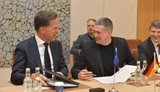 Following Ramstein summit, Ukraine could receive $4 billion in aid, - Fedorov During the 35th meeting of the Ukraine Defence Contact Group (‘Ramstein’), international partners announced a new package of military aid totalling around $4 billion. 1 379 13 Previously in trend: Ramstein meeting PURL program
 U.S. ready to supply weapons to Ukraine with European funding, - Pentagon The United States is prepared to continue supplying weapons to Ukraine, provided they are procured by its European allies. 1 819 23 Previously in trend: Weapons supplies for Ukraine PURL program
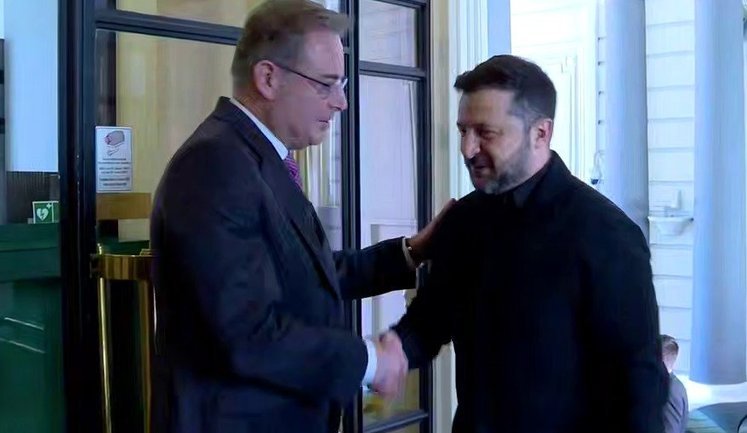
 Zelenskyy and De Wever discussed new aid package for Ukraine, contribution to PURL programme and schedule for F-16 deliveries. VIDEO President Volodymyr Zelenskyy held a meeting with Belgian Prime Minister Bart de Wever, during which they discussed in detail support for Ukraine’s defence. 991 11 Previously in trend: F-16 fighters from Belgium Aid from Belgium PURL program
 Sweden has allocated over $100 million for purchase of American weapons for Ukraine Sweden will allocate 1.1 billion Swedish kronor (about $108 million) to support the PURL initiative, under which Ukrainian partners purchase weapons from the United States for the needs of the Ukrainian Armed Forces. 330 1 Previously in trend: Sweden’s aid to Ukraine PURL program
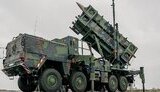 Germany to allocate $400 million for air defence systems and Patriot missiles for Ukraine, - Pistorius Germany is allocating an additional US$400 million for the purchase of American weapons and ammunition for Ukraine. 1 020 5 Previously in trend: PURL program
 Partners have decided on new contributions to PURL program, they will arrive in June – Zelenskyy Ukraine expects new contributions from partners under the PURL program as early as June. 657 7 Previously in trend: PURL program
 PURL funding is sufficient to continue arms deliveries from U.S., - Ministry of Defense The Ministry of Defense stated that contributions from partners to the PURL program are sufficient to provide Ukraine with critical weapons from the United States. Aid deliveries are ongoing. 563 1 Previously in trend: PURL program
 Japan joins PURL programme and allocates $14.6 million in aid to Ukraine Japan has joined the international PURL mechanism, which provides for the purchase of U.S. weapons for Ukraine, and has allocated more than $14.6 million. 826 7 Previously in trend: PURL program
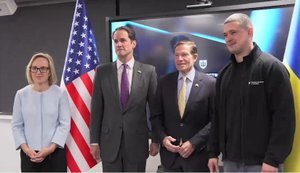
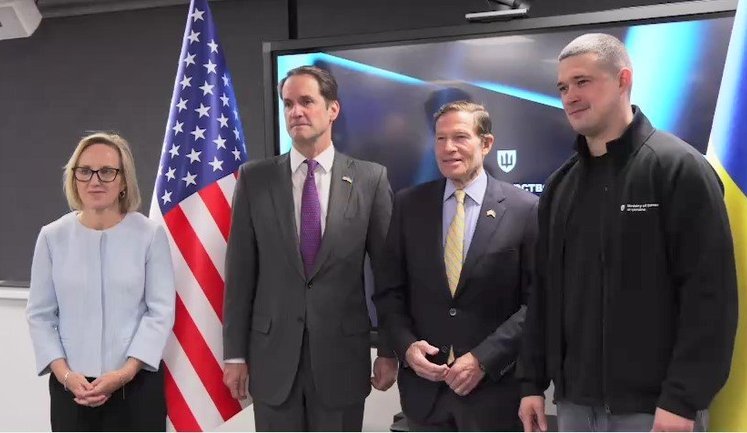
 PURL, air defense and technological cooperation with US: Fedorov meets with members of Congress. VIDEO Ukraine’s Defense Minister Mykhailo Fedorov met with members of the U.S. Congress, Richard Blumenthal and Jim Himes. They discussed strategic priorities for Ukraine’s defense support. The focus was on protecting the skies, strengthening the front, and technological cooperation. 1 747 5 Previously in trend: PURL program Ukraine–US cooperation
 70% of Patriot missiles for Ukraine supplied through PURL initiative – Rutte The PURL initiative, which provides for the purchase of US weapons for Ukraine using funds from European allies, has supplied about 70% of missiles for Patriot systems. 581 0 Previously in trend: PURL program
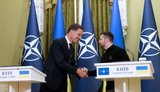 NATO: Ukraine has already received and is using weapons paid for by its allies All U.S. military equipment purchased by European allies under the PURL program is already in use in Ukraine. 983 3 Previously in trend: PURL program
Norway allocates $300 million to buy US weapons for Ukraine Norway has announced the allocation of 2.8 billion kroner (more than $300 million) to purchase US weapons for Ukraine under PURL. 657 7 Previously in trend: PURL program
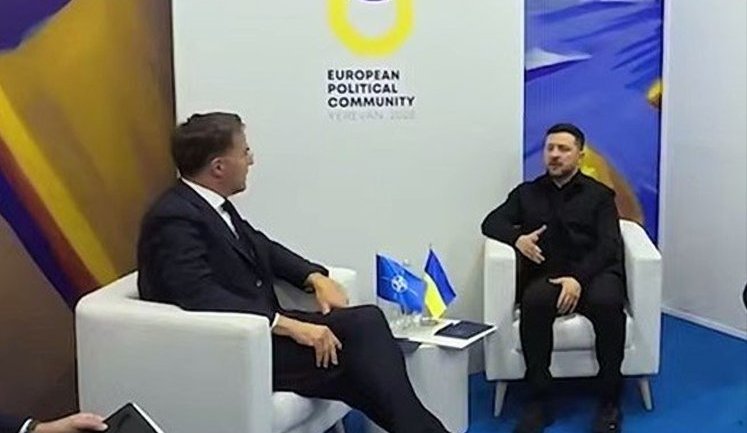
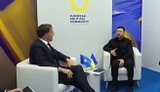 Zelenskyy and Rutte discussed implementation of PURL programme and mobilisation of new contributions. VIDEO President Volodymyr Zelenskyy held a meeting with NATO Secretary General Mark Rutte. 460 0 Previously in trend: Zelenskyy-Rutte meeting PURL program
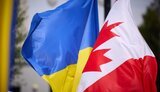 Canada is contributing $200 million to PURL program, – Zelenskyy Canadian Prime Minister Mark Carney announced the allocation of an additional $200 million to Ukraine under the PURL program. 571 4 Previously in trend: PURL program
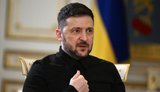 Three more countries have joined PURL programme, but this information is not public, — Zelenskyy During the informal summit of European Union member states in Cyprus, three more countries joined the PURL program, though their identities have not been disclosed. 1 654 24 Previously in trend: PURL program
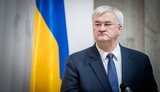 EU summit in Cyprus was turning point: Ukraine strengthens its position as security partner at global level – Sybiha The informal EU summit in Cyprus proved a turning point for Ukraine: a €90 billion financial package, new sanctions against Russia and additional defense support were agreed. 1 810 10 Previously in trend: PURL program Zelenskyy’s visit to Cyprus
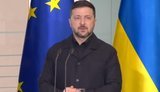 Zelenskyy responds to Vance: I hope U.S. will not halt supply of critical systems under PURL programme President Volodymyr Zelenskyy expressed hope that the United States would not halt the supply of critical systems to Ukraine under the PURL programme, despite statements by U.S. Vice President J.D. Vance about winding down funding. 4 475 31 Previously in trend: PURL program
 Five countries announced new contributions to PURL during Ramstein meeting, - Fedorov During "Ramstein," a number of countries announced additional contributions to the PURL program (Prioritized Ukraine Requirements List). 1 957 9 Previously in trend: PURL program
Ukraine remains dependent on air defence supplies from US, — Zelenskyy Ukraine manufactures most of its own weapons, but needs American air defense systems. 735 1 Previously in trend: Zelenskyy visit to Germany PURL program
 There are no signals about stopping US arms supplies. However, country must be ready for any scenarios, - Zelenskyy At present, there are no signs that U.S. military aid will be halted, but such scenarios cannot be ruled out in the future. 949 13 Previously in trend: Buying weapons from the US PURL program
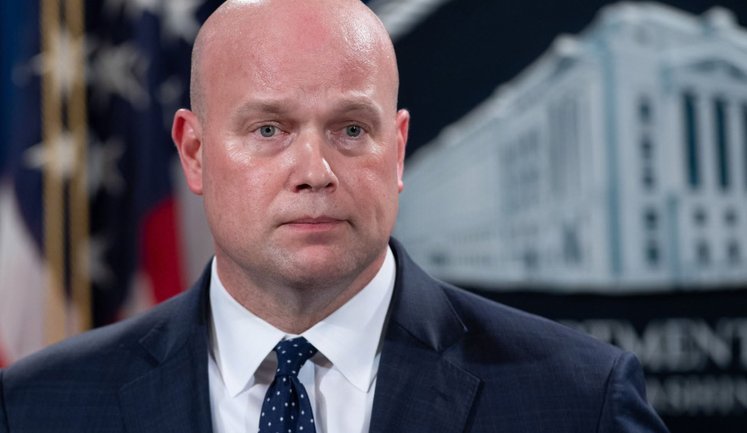
 Trump reviews support for Europe’s efforts regarding assistance to Ukraine – Whitaker US President Donald Trump is reviewing the issue of supporting European efforts regarding assistance to Ukraine. 8 184 52 Previously in trend: Buying weapons from the US PURL program
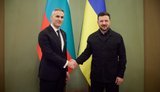 Bulgaria joined PURL programme to purchase weapons for Ukraine President Volodymyr Zelenskyy said that Bulgaria will join the PURL programme. 1 136 8 Previously in trend: PURL program Aid to Ukraine from Bulgaria
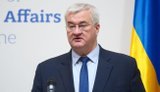 There is assurance from US in context of PURL: Nothing was redirected anywhere and there are no plans - Sybiha The U.S. has assured that the weapons intended for Ukraine under the PURL program have not been diverted elsewhere, and there are currently no plans to do so. 1 461 20 Previously in trend: PURL program
 Finland wants to check whether US weapons are reaching Ukraine Defense Minister Antti Häkkänen stated that Finland will verify whether the weapons paid for by its allies are being delivered from the United States to Ukraine. 4 449 21 Previously in trend: PURL program
 US has not diverted weapons for Ukraine to Middle East, but it could happen – Rubio U.S. Secretary of State Marco Rubio said Washington has not redirected weapons intended for Ukraine to the Middle East, but may do so. 2 839 25 Previously in trend: US aid to Ukraine US strikes on Iran PURL program
 PURL programme is crucial for defence of Ukraine’s airspace, — Zelenskyy President Volodymyr Zelenskyy stated that the PURL initiative is of critical importance to Ukraine. 992 5 Previously in trend: PURL program
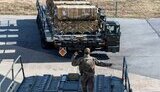 There are no delays in U.S. weapons supplies to Ukraine due to events in Iran, NATO ambassador Hetmanchuk says Ukraine is not currently recording any negative impact of the situation in the Middle East on the supply of U.S. weapons financed by NATO allies and partners under the PURL program. 838 6 Previously in trend: Weapons supplies for Ukraine PURL program
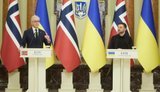 $970 million already contributed by Norway to PURL programme – Zelenskyy As of today, Norway is among the most active investors in the PURL programme, with its contribution amounting to $970 million. 623 8 Previously in trend: Aid to Ukraine from Norway PURL program
 Lithuania to increase its contributions to PURL and Ukraine to share its experience in combating "Shaheds" Minister of Defense of Ukraine Mykhailo Fedorov, following a meeting with his Lithuanian counterpart Robertas Kaunas, reported that Lithuania is ready to increase its contributions to the PURL program, while Ukraine, in turn, will share its experience in combating strike drones. 593 0 Previously in trend: PURL program
 South Korea is considering possibility of joining PURL initiative – media South Korea is considering joining NATO’s initiative to finance the procurement of US-made weapons for Ukraine (PURL). 1 179 4 Previously in trend: PURL program
 Contributions to PURL programme have already reached $584 million this year, - Zelenskyy Several countries have already contributed to the PURL program this year, and contributions currently total $584 million. 813 13 Previously in trend: PURL program
 Latvia allocates €10 million to support Ukraine within framework of PURL The Latvian government has approved the allocation of €10 million for the purchase of weapons for Ukraine within the scope of the PURL list of needs. 463 1 Previously in trend: PURL program
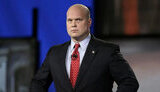 Europeans say that war in Ukraine is existential - we expect them to prove this with their resources, - Whitaker US Ambassador to NATO Matthew Whitaker said that the United States continues to provide Ukraine with sufficient weapons for self-defence. 5 174 33 Previously in trend: PURL program
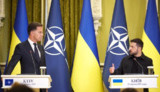 Zelenskyy and Rutte discussed development of PURL programme President of Ukraine Volodymyr Zelenskyy and NATO Secretary General Mark Rutte discussed the content of the PURL program and its further development. 453 1 Previously in trend: PURL program
 Netherlands, UK, Norway and Sweden provide $500 mln to buy weapons for Ukraine under PURL The Netherlands, the United Kingdom, Norway and Sweden have allocated $500 million to buy US-made weapons for Ukraine under the PURL initiative. 532 4 Previously in trend: PURL program
 Britain to allocate $205 million for purchase of US weapons for Ukraine, - Politico The United Kingdom has agreed to join the NATO program to purchase American weapons for Ukraine and will allocate £150 million for this purpose. 574 3 Previously in trend: PURL program
 PURL Program: Head of Mission to NATO Hetmanchuk names 6 countries that helped Ukraine the most in purchasing weapons The head of the Ukrainian mission to NATO, Alona Hetmanchuk, named the countries that are most helpful to Ukraine in acquiring critical American weapons, in particular air defense systems, which are supplied through the PURL mechanism. 1 687 19 Previously in trend: PURL program
 Germany, Netherlands and Norway provided most weapons for Ukraine under PURL programme, - Whitaker Three European countries—Germany, the Netherlands, and Norway—provided the most funding for the supply of American weapons to Ukraine under the PURL. 827 2 Previously in trend: PURL program
 Japan has denied reports of its participation in NATO’s PURL programme for Ukraine The Japanese government has denied media reports that Tokyo allegedly intends to join the PURL programme to support Ukraine, which planned to purchase American equipment for transfer to Kyiv. 1 558 8 Previously in trend: PURL program
 Rutte on $15bn for weapons purchases for Ukraine: Absolutely confident money will be there Allies plan to allocate $15 billion to finance the PURL program in 2026. 1 040 10 Previously in trend: PURL program
Page 1 of 2
more news