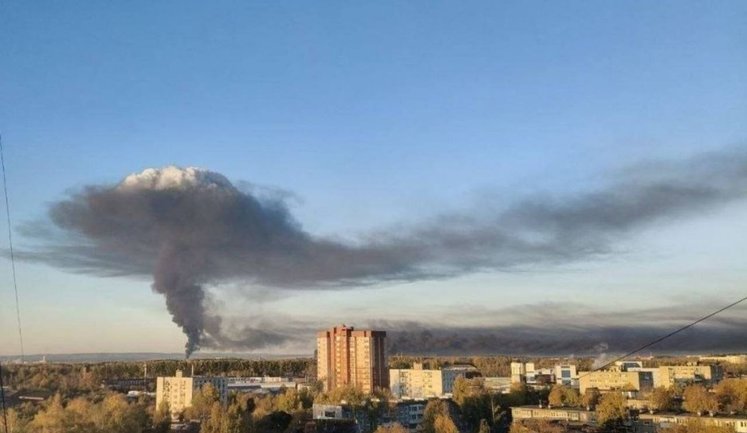
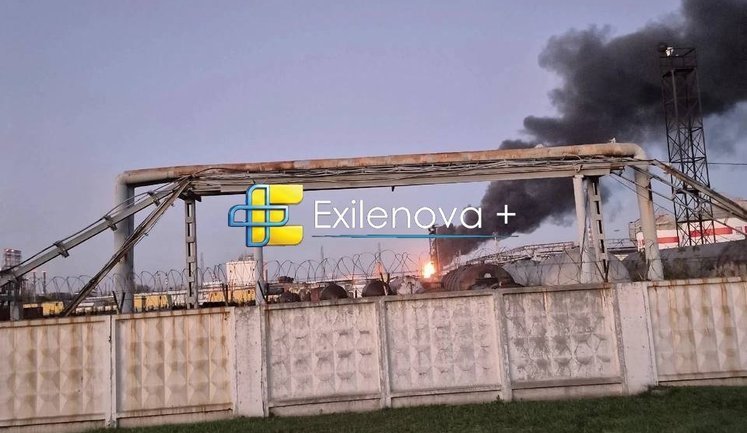
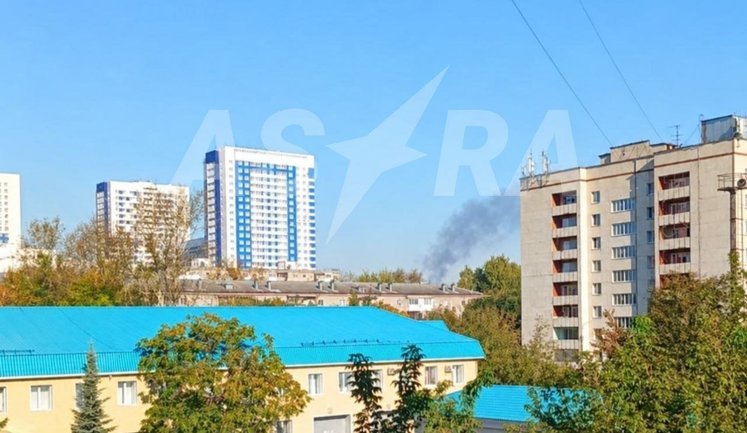
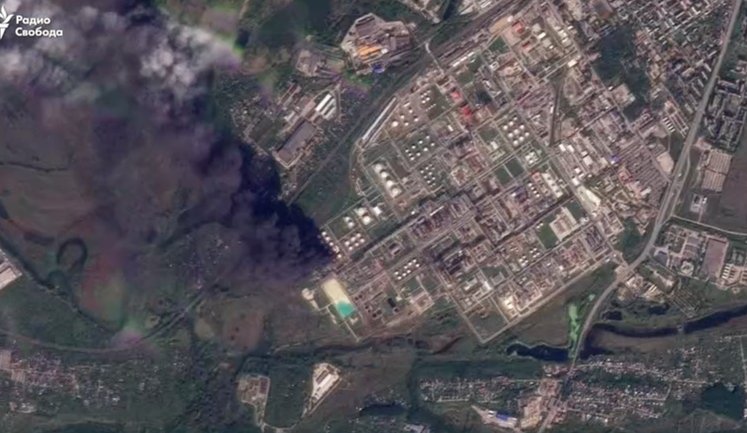
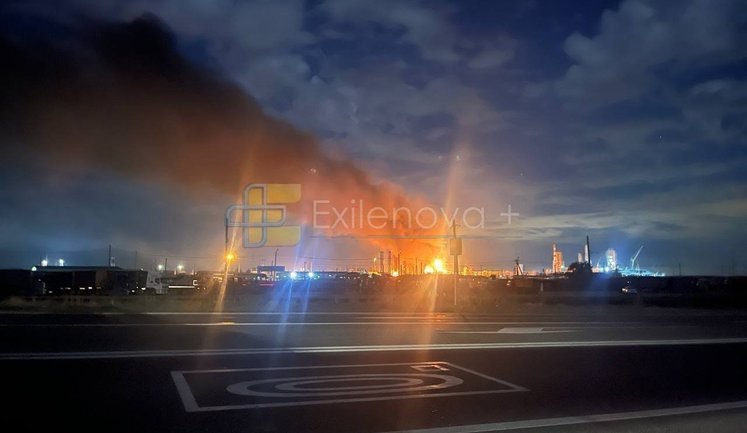
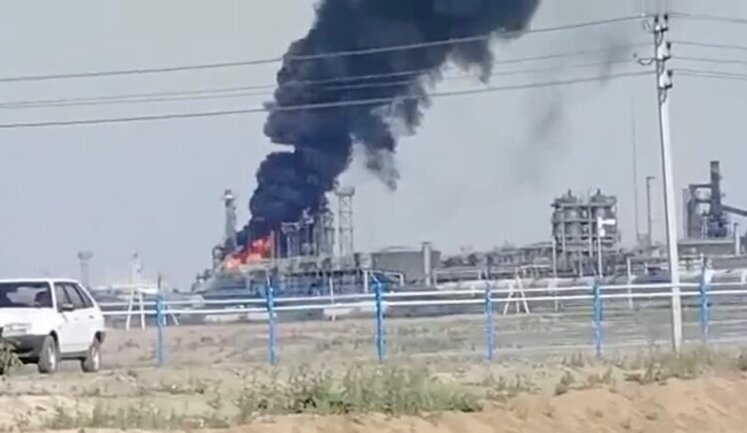
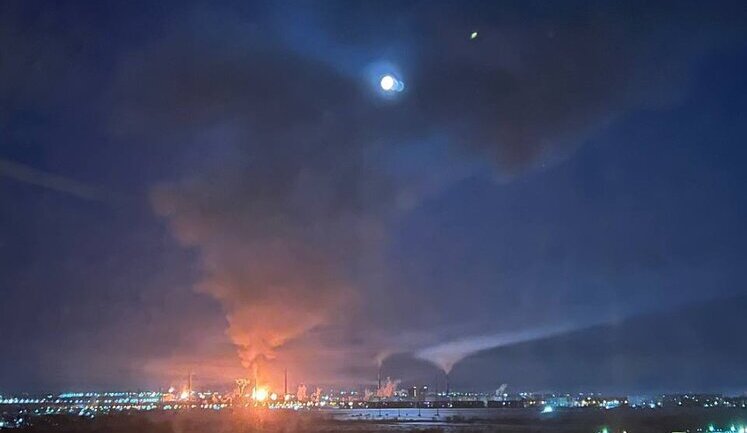
Recent escalations involved significant attacks on oil refineries across Russia. Ukrainian defense forces targeted sites like Sloviansk-na-Kubani and Nizhnekamsk. President Trump urged a halt to these actions, citing diesel shortages. However, Ukraine confirmed further strikes on strategic infrastructure, sparking large fires and halting operations at refineries such as NOVATEK-Ust-Luga. These events contributed to a global energy shock, as highlighted by US Treasury Secretary Scott Bessent. As with the Saratov and Volgograd refineries, Russia faces ongoing challenges in restoring capacities amidst these military engagements and retaliatory threats.
Why did Ukraine target oil refineries in Russia?
Ukraine targeted oil refineries in Russia to disrupt supply chains crucial to the Russian economy and military infrastructure. This strategy aims to weaken Russia's operational capabilities and exert pressure amidst ongoing conflicts. Additionally, the strikes are intended to lessen Russia's capacity to support its armed forces.
What are the impacts of strikes on Russian oil refineries?
The strikes on Russian oil refineries have led to significant impacts, including diesel shortages within Russia and economic ripple effects felt globally, as indicated by energy price fluctuations and supply chain disruptions. The attacks disrupt domestic supply networks and indicate vulnerabilities within Russia's infrastructure.
How has President Trump's response affected the situation?
President Trump's call for halting Ukraine's strikes reflects concerns over global energy supply stability and diplomatic relations. His intervention seeks to prevent further escalation and mitigate impacts on fuel shortages, although the effectiveness of this appeal remains uncertain due to the prevailing geopolitical tensions.
Which regions in Russia have been affected by the refinery strikes?
The Ukrainian defense forces have targeted oil refineries in various Russian regions, including the Daushanks in Krasnodar Krai, Tatarstan's Nizhnekamsk, Saratov, and Volgograd. Each strike led to significant fires and operational halts, reflecting the extensive geographic spread and strategic targeting rationale.
What role do drone strikes play in these attacks?
Drone strikes are a primary method of attack in recent operations against Russian oil refineries. They enable precise, remote engagements, limiting immediate risk to personnel while maximizing damage to key infrastructure components. Their use underscores technological advances in military tactics employed in this conflict.
How is Ukraine justifying these military actions?
Ukraine justifies its military actions as necessary defensive measures against Russian aggression. By targeting critical infrastructures, Ukraine aims to disrupt enemy operations and diminish Russia's ability to sustain offensive capacities. These actions are portrayed as deterrents and strategic efforts to tilt conflict dynamics.
Is there any international response to the refinery attacks?
International responses to the refinery attacks include calls for de-escalation and expressions of concern over global energy and economic impacts. Nations like the United States emphasize diplomatic solutions to avoid prolonged economic disruptions stemming from energy supply instability exacerbated by ongoing military engagements.