


Costa did not agree to fast-track decision on funding for Ukraine; EU summit will address issue in late November
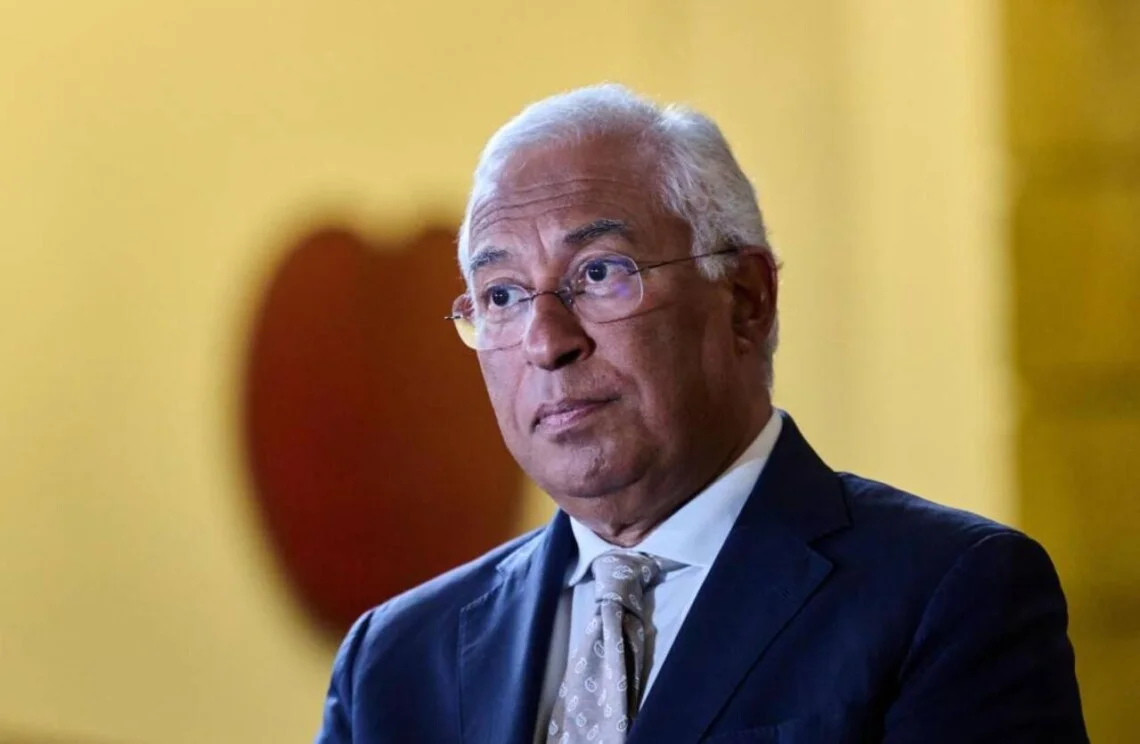
European Council President António Costa did not support German Chancellor Friedrich Merz’s proposal to expedite consideration of funding for Ukraine for 2027. The issue will remain on the agenda of the special EU summit on November 26–27, although EU leaders will discuss the situation in Ukraine as early as November 13 in Dublin.
Euronews reports this; its journalists reviewed the letter from Koshta to Merz, according to Censor.NET.
In his response to the German chancellor, Koshta confirmed his willingness to hold a broad discussion on Ukraine during the informal meeting of EU leaders in Dublin on November 13.
"In light of current developments, I will set aside time for a broad discussion on Ukraine at the upcoming informal meeting of the European Council in Dublin," the letter states.
At the same time, specific decisions regarding Ukraine’s financial needs for 2027 are scheduled to be discussed at a special meeting of the European Council on November 26–27 in Brussels.
By that time, the European Commission is to present proposals on how to cover the shortfall in Ukraine's funding.
According to preliminary estimates, Ukraine will face a shortfall of about 70 billion euros in 2027. The European Union has committed to providing approximately 45 billion euros, but the mechanism for allocating the funds has not yet been agreed upon.
Merz calls for the participation of all EU countries
- On November 9, German Chancellor Friedrich Merz sent a letter to Koshta in which he linked the approval of the next seven-year EU budget to a commitment by all member states to provide financial support to Ukraine. According to Merz, the main financial burden of supporting Kyiv is currently borne by only a few EU countries. He insists that aid to Ukraine must be a shared responsibility of all EU member states, as it directly concerns European security. The chancellor’s position has drawn objections from Slovakia, the Czech Republic, Hungary, and Bulgaria, which oppose participating in a new joint loan for Ukraine. Slovak Prime Minister Robert Fico called Merz’s demands "blackmail."


