


77 Ukrainian service members identified from photos and videos from Russian captivity – Lubinets. PHOTO
In Ukraine, 77 Ukrainian service members whose fate is being investigated because they are missing or in Russian captivity have been identified through the examination of photos and videos. Meanwhile, a new service is being developed for their families to simplify the submission of materials for expert analysis.
Ukrainian Parliament Commissioner for Human Rights Dmytro Lubinets reported this following a meeting with the leadership of the Kyiv Scientific Research Institute of Forensic Expertise (KNDISE), according to Censor.NET.
According to the ombudsman, his Office has been working with KNDISE and the Ukrainian Red Cross Society since 2023. During this period, the institute has prepared 248 advisory opinions that help identify Ukrainian service members from photos and videos.
How many service members have been identified
Lubinets provided the results by year:
- 2023 – 44 advisory opinions, 19 service members identified;
- 2024 – 78 opinions, 25 service members identified;
- 2025 – 75 opinions, 26 service members identified;
- 2026 – 51 opinions, 7 service members identified.
In other cases, experts were only able to partially establish a person’s identity or concluded that the images being compared showed different people.
The relevant state authorities use the findings to establish the whereabouts of service members and continue efforts to bring them home.

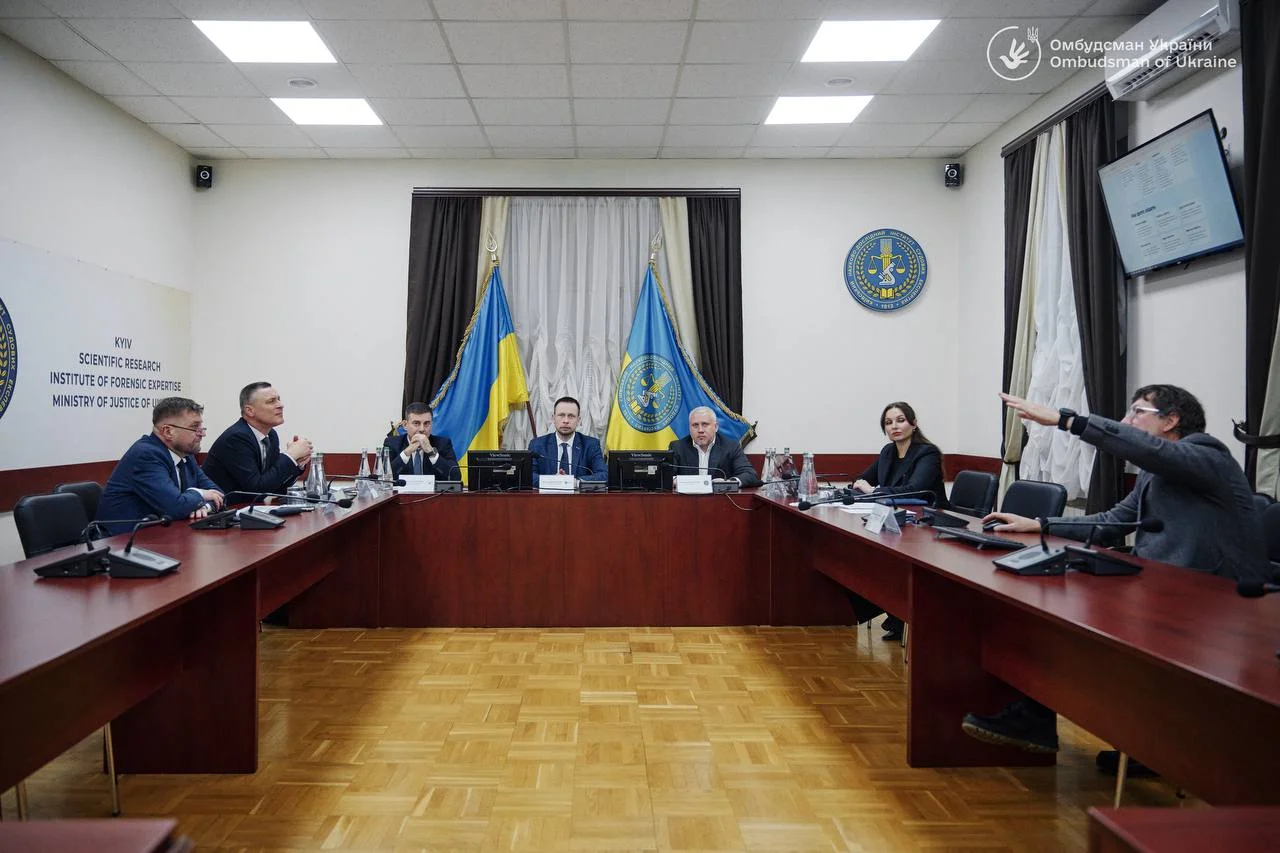
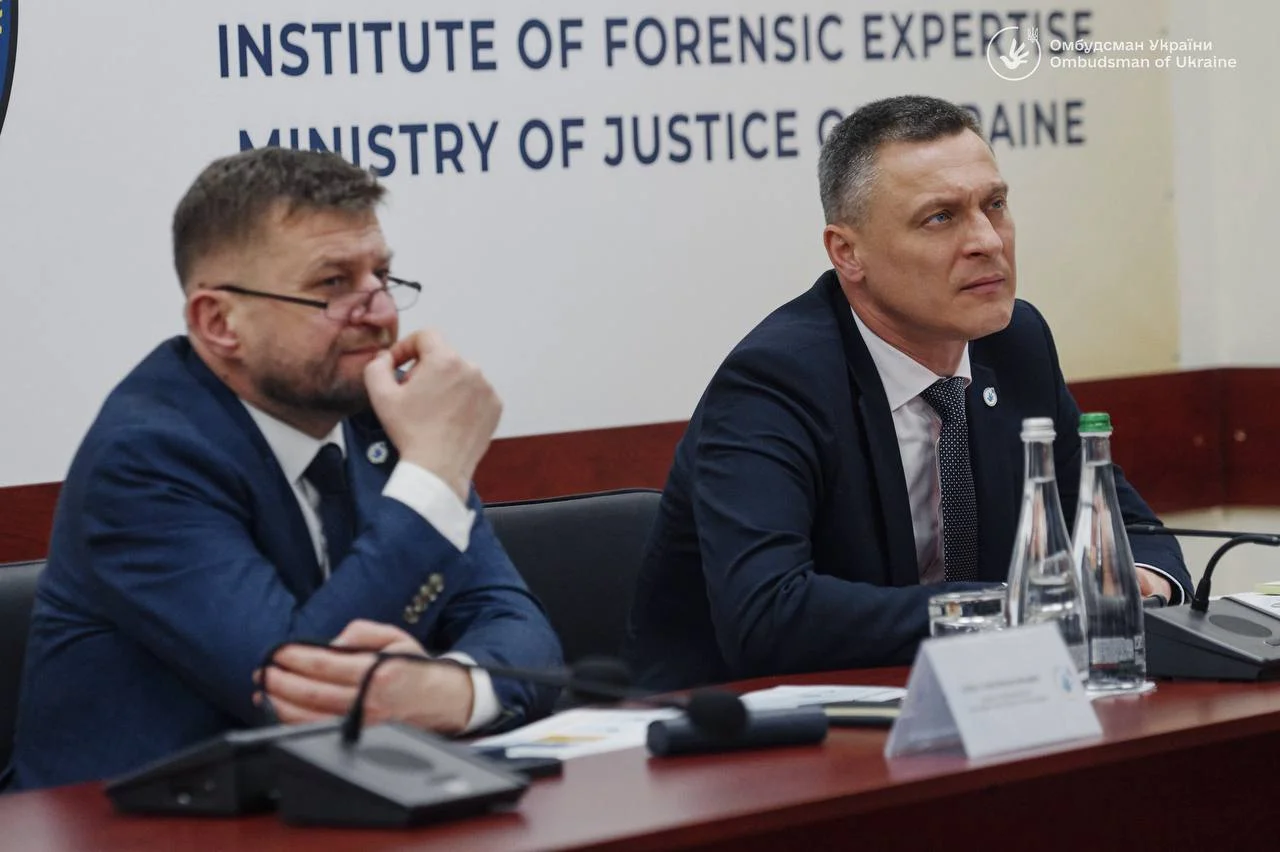
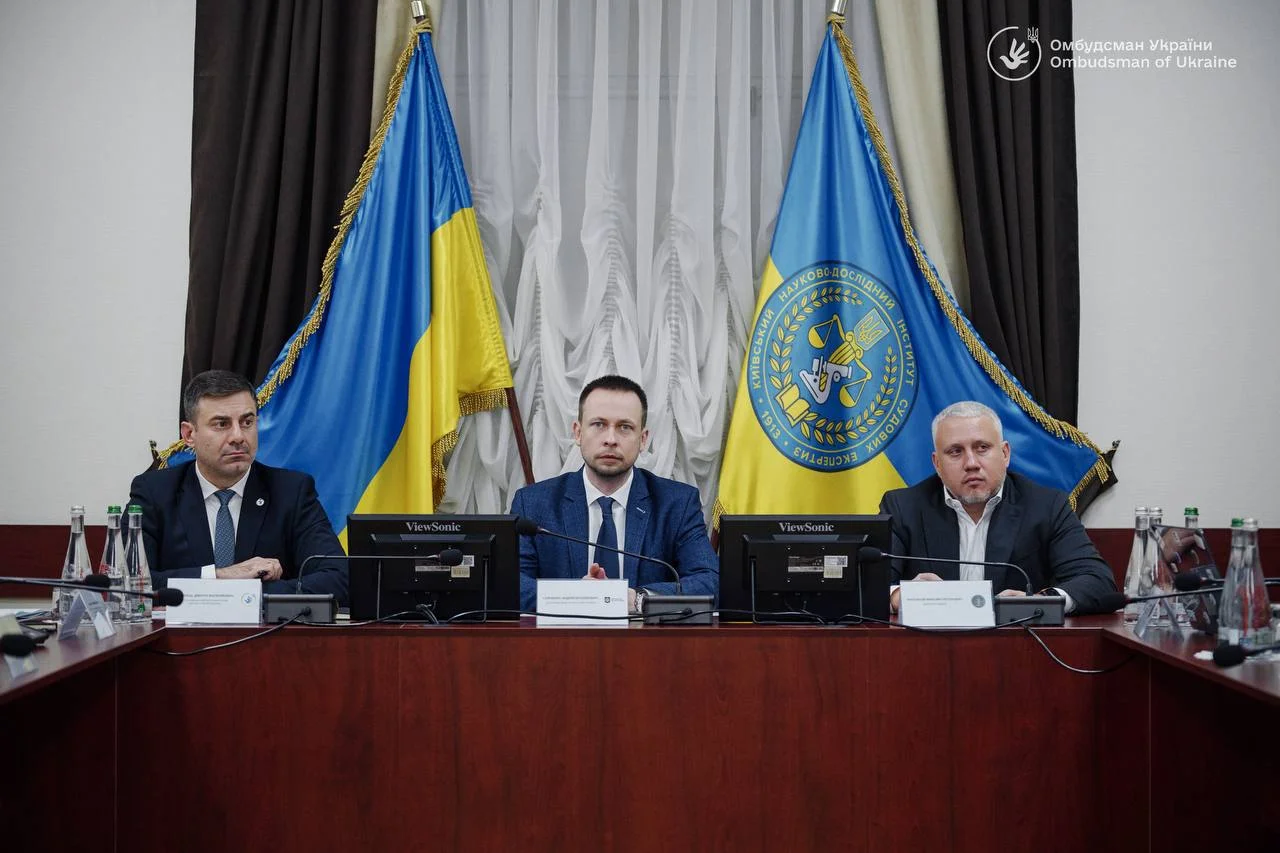
Families will be able to submit photos and videos for identification directly
The meeting also covered a pilot project for a new KNDISE service that will eventually allow families of missing persons and prisoners of war to upload photos and videos themselves for expert comparison.
Relatives currently submit these materials through the Ombudsman’s Office. Its staff process the information received and forward it to the institute.
The new mechanism is intended to eliminate this intermediate step and reduce the time needed to submit materials for examination.
According to Lubinets, there are plans to extend identification through the service to civilians as well as service members.
However, the ombudsman stressed that the service is still being tested and is not yet available to the public.
"Once we have checked how it works and refined the process, we will present it publicly and explain how to use it. I will make a separate announcement when it launches," Lubinets said.
Following the meeting, the Ombudsman’s Office and KNDISE agreed to continue their cooperation in 2027.


