


UK has purchased counterfeit C4 explosives for Ukraine’s attack drones, - FT investigation
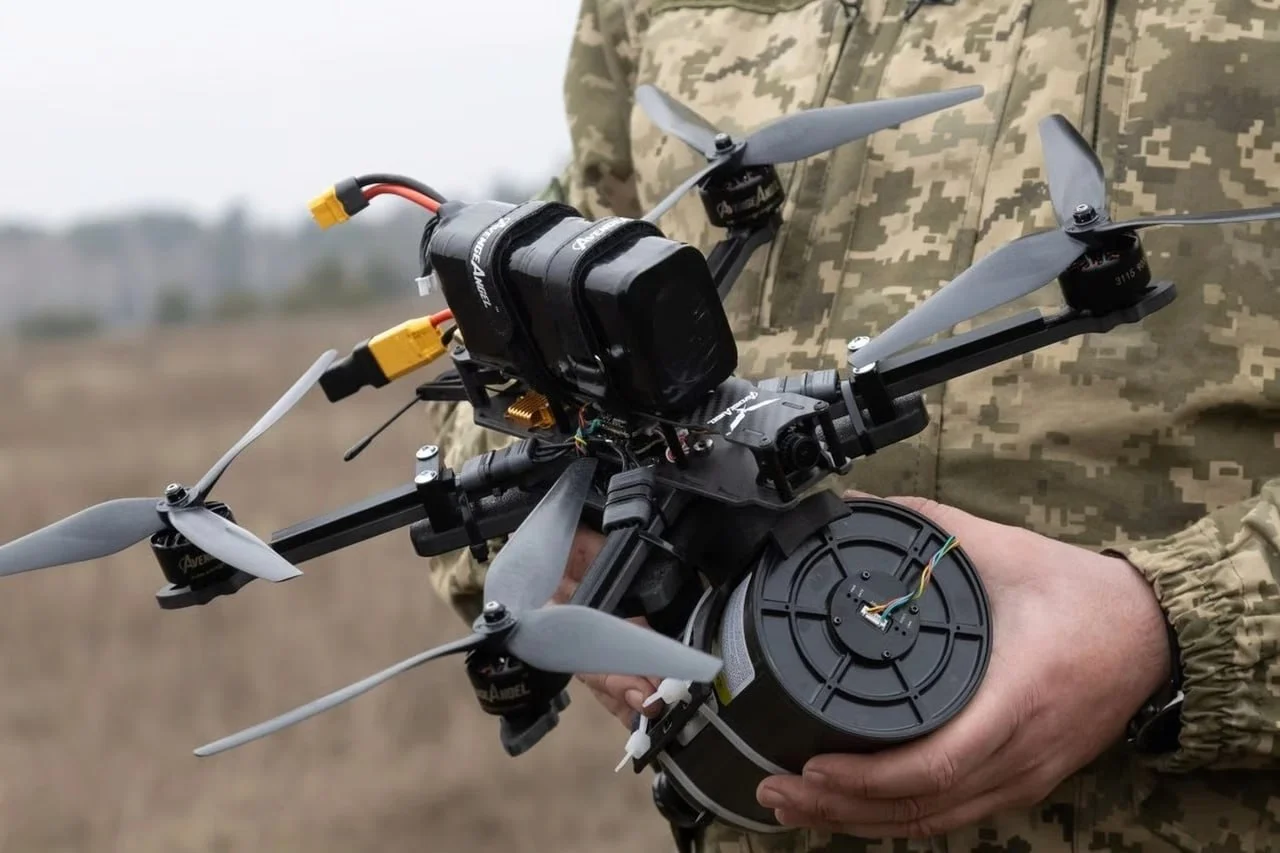
The United Kingdom purchased hundreds of tonnes of EDC-4 explosive from the American company Tripwire for Ukraine. This was marketed as an enhanced version of C4, but British tests found no traces of hexogen (RDX) — the main component of such explosives. It was supplied for use in Ukrainian attack drones.
This is discussed in a Financial Times investigation, according to Censor.NET.
What the investigation revealed
According to the FT, Tripwire South sold EDC-4 explosives to the UK Ministry of Defence; the accompanying documentation claimed that this was a new, more powerful type of C4 containing RDX. Journalists established that it was a cheaper, commercially available explosive with no detectable RDX.
The UK Ministry of Defence’s own tests, carried out following the first delivery, also failed to detect any RDX. According to the Ministry, all independent analytical tests identified PETN as the sole high-explosive substance.
The accompanying documents also did not contain any specific safety precautions, which could have posed risks to Ukrainian military personnel.
This explosive was being shipped to Ukraine for use in attack drones. The supplier’s documentation did not warn of the risk of PETN detonation. The initial consignment of the explosive amounted to 36 tonnes.
Sam Rigby, a professor at the University of Sheffield, commenting on the investigation, explained: "These are very different explosives. PETN is more volatile than RDX and can detonate more easily as a result of heat or friction. It must be handled with much greater care".
Volumes and value
- The explosives were procured under Task Force Kindred — the Ministry of Defence’s flagship programme for rapid deliveries to Ukraine. Documents seen by the FT show that the ministry supported an application to the US State Department to export up to 204 tonnes of EDC-4 to Ukraine over a two-year period.
- At the agreed price, the total volume would have cost around 26.3 million pounds, or approximately $77 per pound. The UK’s total expenditure has not yet been disclosed.
According to sources familiar with the prices, this is approximately 70–95 per cent higher than the $40–45 per pound that Tripwire paid the manufacturer. The company disputes that these figures are comparable, as the selling price includes storage, regulatory compliance, testing, transport and other costs.
What the company and the UK Ministry of Defence are saying
Tripwire denies everything and claims that all batches contained hexogen. According to the company, EDC-4 is its own blend of RDX and the cheaper component PETN, manufactured specifically for the company by the producer.
The company denies that it provided misleading information about safety and is threatening the FT with legal action.
"There is no security risk, no deterioration in performance, no financial loss to the Ministry of Defence and no complaints from any customer", they stated.
The British Ministry of Defence maintains that the explosives were fit for purpose, and that Ukraine had spoken favourably of them. The ministry also states that the contract did not stipulate the mandatory inclusion of either hexogen or PETN. The Ukrainian Ministry of Defence did not respond to the FT’s enquiry.
Reaction in Parliament
Mike Martin, a Liberal Democrat Member of the British Parliament and a member of the House of Commons Defence Committee, described it as "staggering":
"The Ministry of Defence has potentially put the lives of hundreds of Ukrainian soldiers at risk and wasted millions of British taxpayers’ money on explosives that were not what the supplier claimed them to be. The question the Ministry of Defence has still been unable to answer is: why?"


