


Issue of territories in negotiations on Ukraine is currently at "impasse", - Kushner
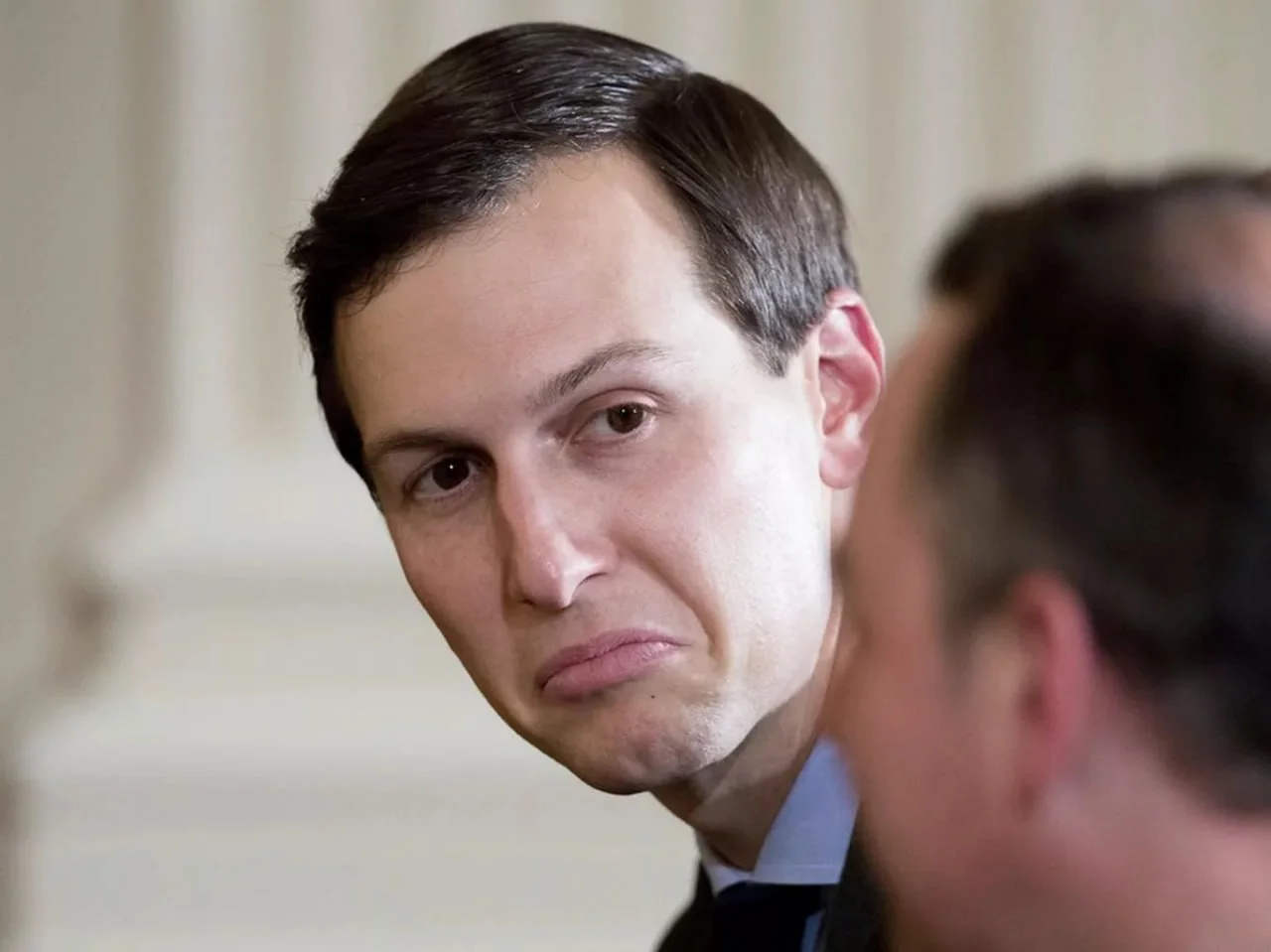
US President’s Special Envoy Jared Kushner has assessed that the territorial issue in the peace talks concerning Russia’s war against Ukraine has currently reached an impasse, and that it can only be resolved alongside a number of related issues.
Kushner made these remarks in an interview on the "MD Meets" podcast with Axel Springer CEO Matthias Dopfner, reports Censor.NET.
A deadlock in the negotiations
"My intuition — and this is simply what Steve and I have come to realise after many, many hours of talks with President Putin and the Russian team — is that the territorial issue is currently at something of an impasse," he noted.
The presenter asked which of the two options under discussion Kushner considered more realistic: a freeze on the conflict or Ukraine relinquishing the entire Donbas in exchange for NATO membership.
Kushner replied that they would support "anything that ends the war", and explained:
"We are mediators, and obviously there are two sides with two different views on how to end the war. What we have seen in our discussions with the Russians, as well as with the Europeans and Ukrainians (we are the only party that is constantly talking to everyone), is that to resolve this problem, several others must also be resolved."
He compared it to a fishing line: "My son – I often go fishing with him – and when his line gets tangled, sometimes, to untangle one knot, you have to untangle five or six around it."
- Kushner outlined five areas of focus: the post-war security architecture ("arguably the most important"), post-war security guarantees, Ukraine’s post-war economy, reforms in Ukraine and humanitarian measures.
"We’ll have to decide on a course of action"
According to Kushner, once the parties see a path to lasting peace, they may be more flexible:
"I believe that when people see long-term stability and a path to peace, they will become a little more flexible about where to draw the line. After all, most borders in Europe have shifted over time, shaped by war, peace or compromise. So I think we’ll have to decide on a line. And it’s not about justice, nor about who is right or who is to blame. It’s about how to stop the killing and create a better life for people going forward."
He added that once post-war relations have been defined, "the territorial issue will become much easier to resolve":
"Because right now there’s no way to overcome this final issue. And again: this is the best approach we’ve been able to come up with. It’s an impossible problem. No one has been able to solve it."
What kind of peace agreement?
Describing the objective, Kushner said that a peace agreement should make Ukraine "sovereign, secure, prosperous and free": with the prospect of EU membership, a post-war economic plan, security guarantees and robust deterrents.
"This is a huge victory for Ukraine and Europe," he said. He also stated that Ukraine "will be a key part of European security" whatever the outcome.


