


Ukraine’s strikes on oil refineries have caused oil refining in Russia to plummet: figure has reached its lowest level in two decades, - Bloomberg
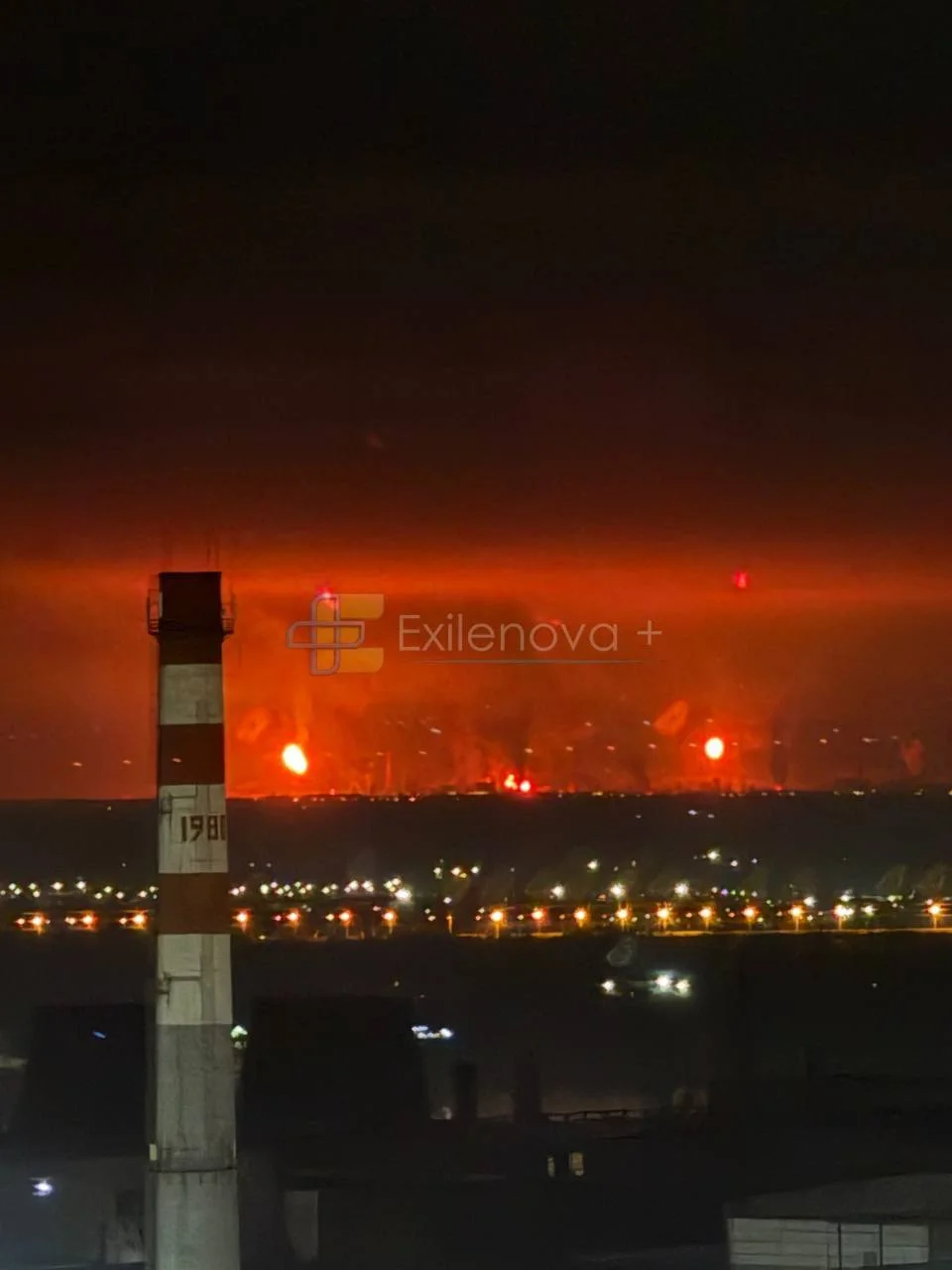
Oil refining volumes in Russia have fallen to their lowest level in more than 20 years. This is due to Ukraine’s regular strikes on Russian oil refineries.
This was reported by Censor.NET, citing Bloomberg.
According to estimates by the Norwegian analytics firm Rystad Energy, as of Monday, Russian oil refineries were processing between 2.6 and 2.7 million barrels of oil per day. This is roughly half the figure recorded on 30 October and below previous long-term averages.
Ukrainian strikes have curtailed operations at Russian refineries
In late October, Ukraine launched a new wave of attacks on Russian oil refineries. Strikes were carried out almost daily. This could further exacerbate the situation on Russia’s domestic fuel market, where shortages have occurred repeatedly since the summer.
Since the start of the full-scale invasion in 2022, Russia has classified almost all data relating to the oil industry. It is therefore difficult to accurately assess the damage caused by the drone strikes.
Rystad Energy determines refining volumes by analysing:
-
oil supply chains;
-
tanker movements;
-
satellite imagery;
-
information from industry sources.
However, this estimate does not yet take into account the impact of the strikes on two oil refineries in the Samara region, which took place on Wednesday.
According to Bloomberg, Ukraine has attacked at least 18 Russian oil refineries since the end of October. However, not all refineries have completely ceased operations: some have continued to refine oil at reduced capacity or have quickly resumed operations following previous strikes.
Petrol prices are rising in Russia and there is a shortage of fuel
The reduction in refining is already having an impact on fuel prices in Russia. According to the Russian Federal State Statistics Service, during the week of 17–23 November, the average retail price of petrol rose by 0.5 per cent. This is the largest weekly price increase since early September.
To overcome the shortage, the Russian authorities have taken several measures. In particular, they have restricted exports of petrol and aviation fuel, authorised imports, and are attempting to direct supplies to the regions where the situation is most acute.
Earlier, Putin complained about Ukraine’s strikes on Russian oil refineries.


