



Rifleman - Signaller Olha Yehorova: "Attitude to snipers among our own people is 60 to 40. 60 are afraid, 40 are happy when we appear"
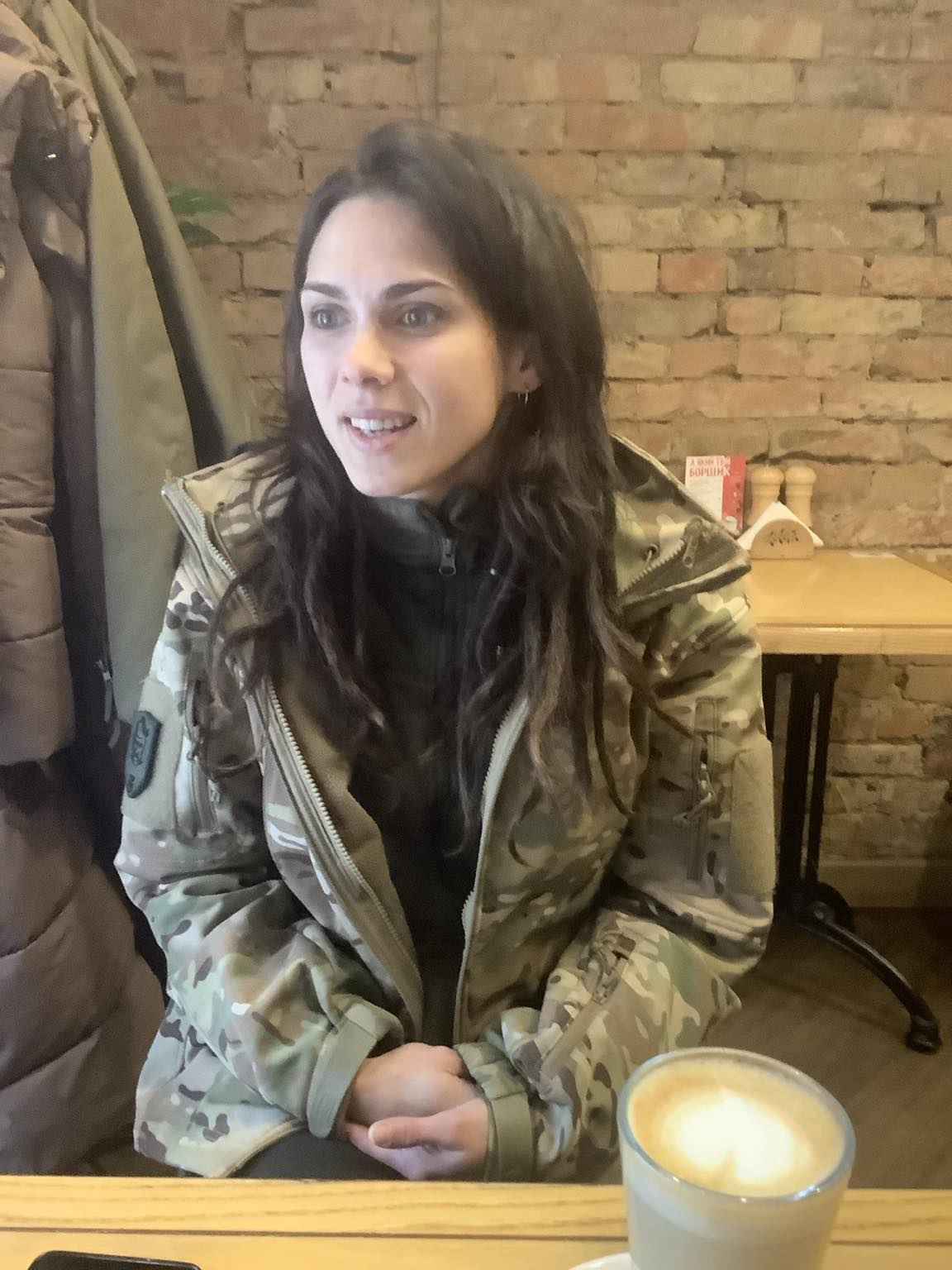
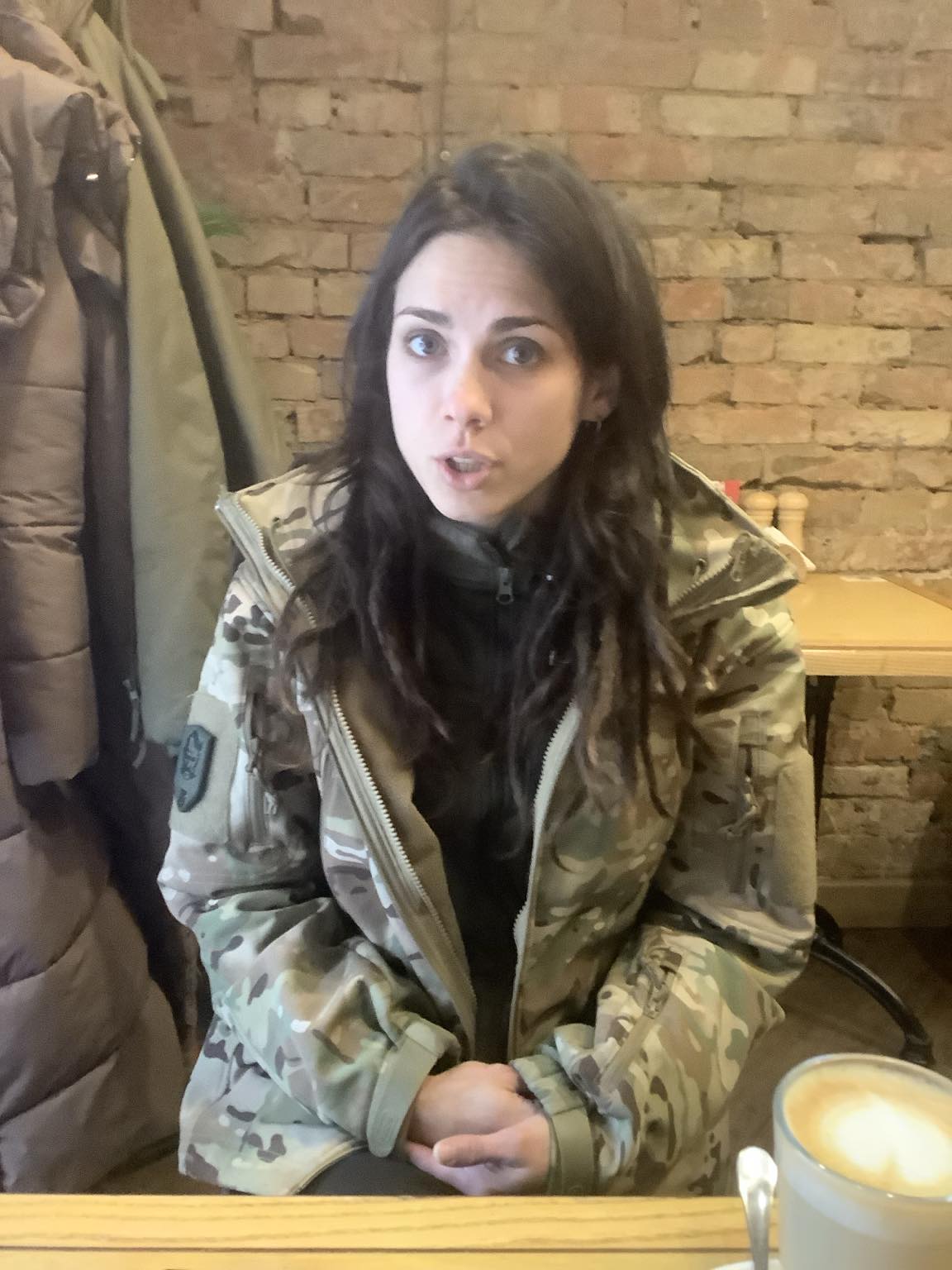
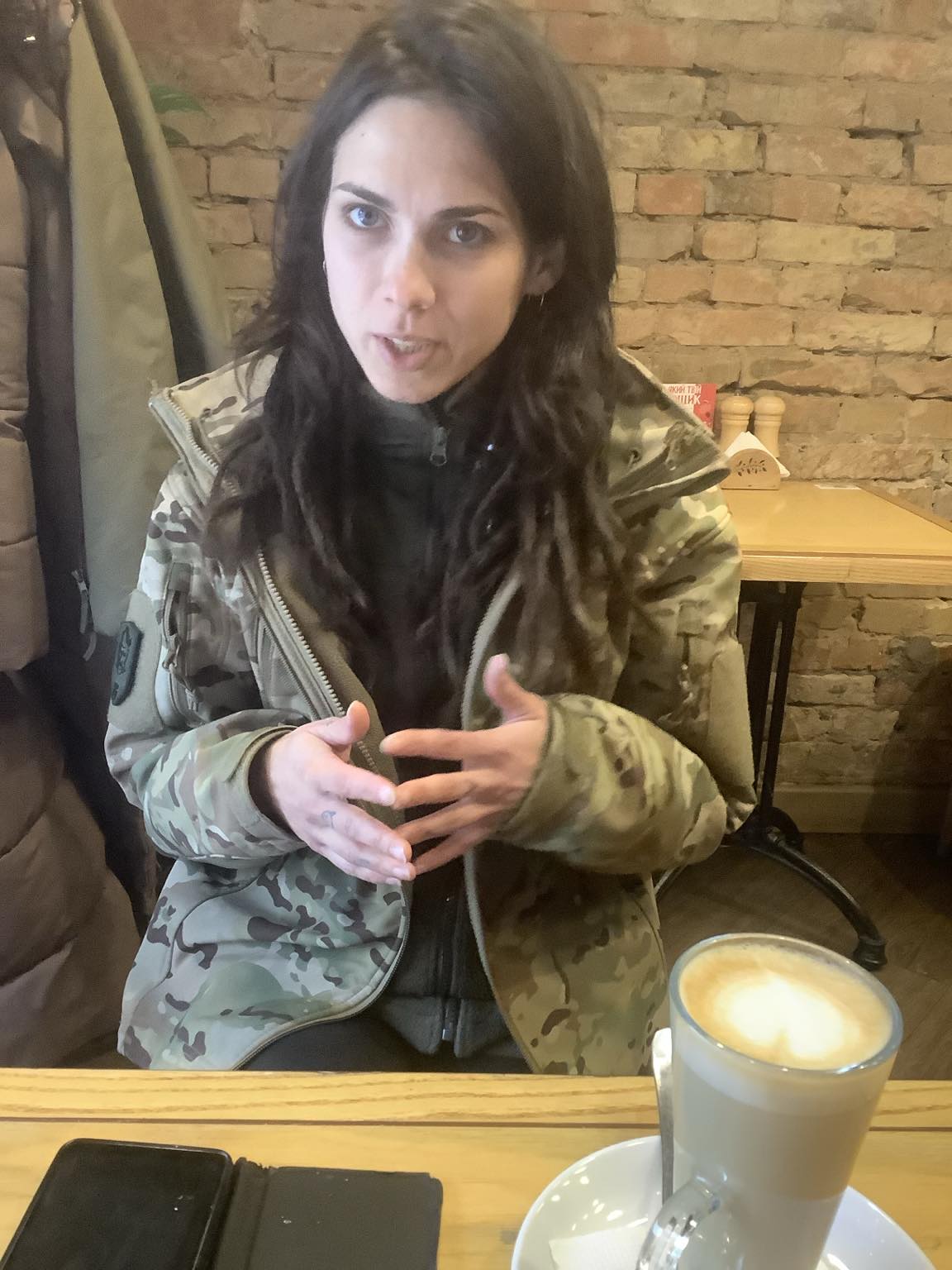
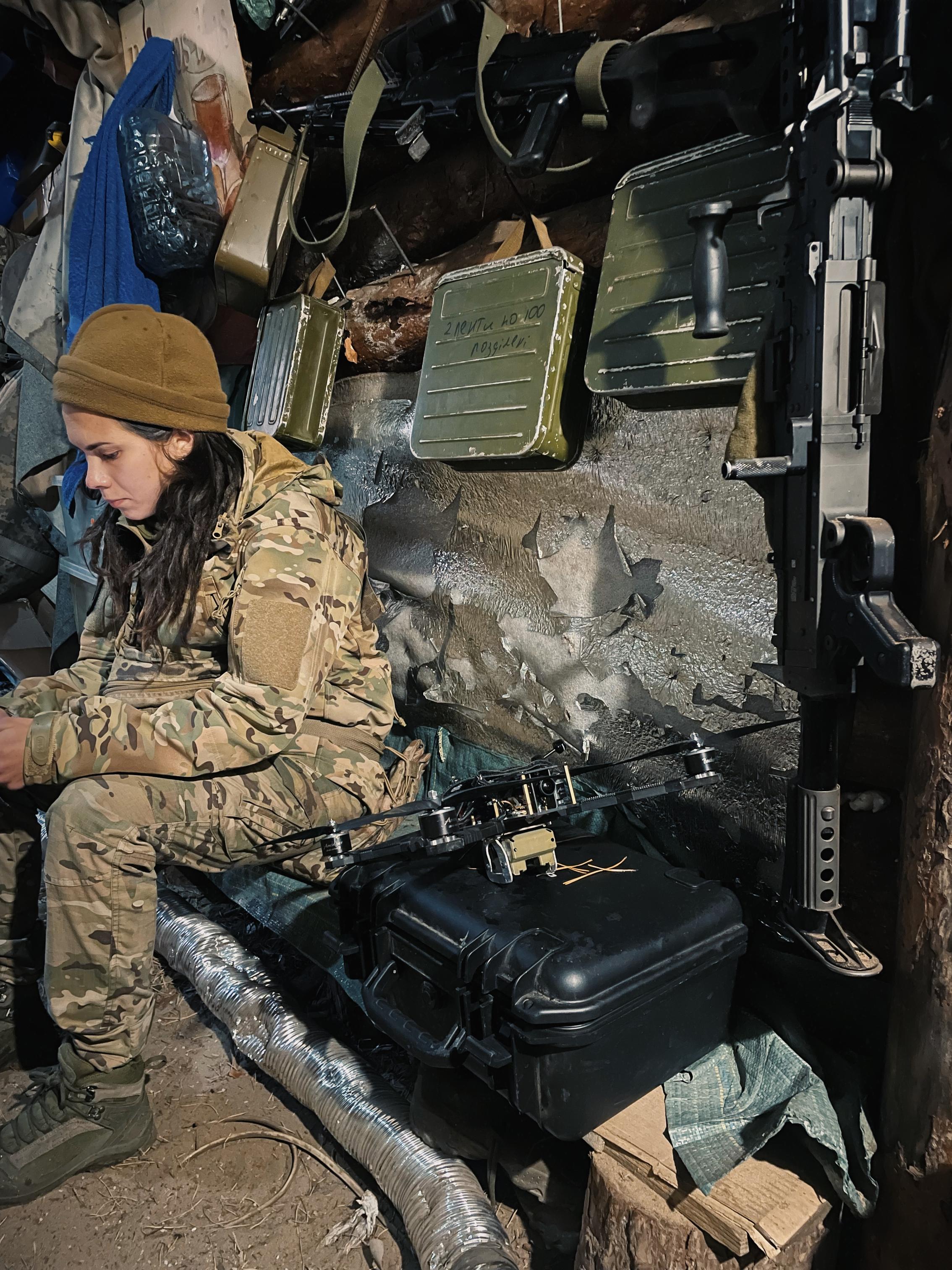
...She sat down across from me-smiling, cold-minded, friendly, beautiful. She introduced herself: "I’m Olha Yehorova, call sign Vysota (Height-ed.), and my rank is a Rifleman - Signaller. I’m part of the Surma sniper team. We work in the eastern direction".
The eastern direction is in the Luhansk region. And in Kyiv, where we met in one of the varenychna (a catering establishment serving varenyky (dumplings-ed.)), Olia was passing through, returning to the front from a short vacation. During this vacation, she celebrated her 32nd birthday.
I turn on the recorder and ask:
-Is it true that before the full-scale war, you were doing weightlifting?
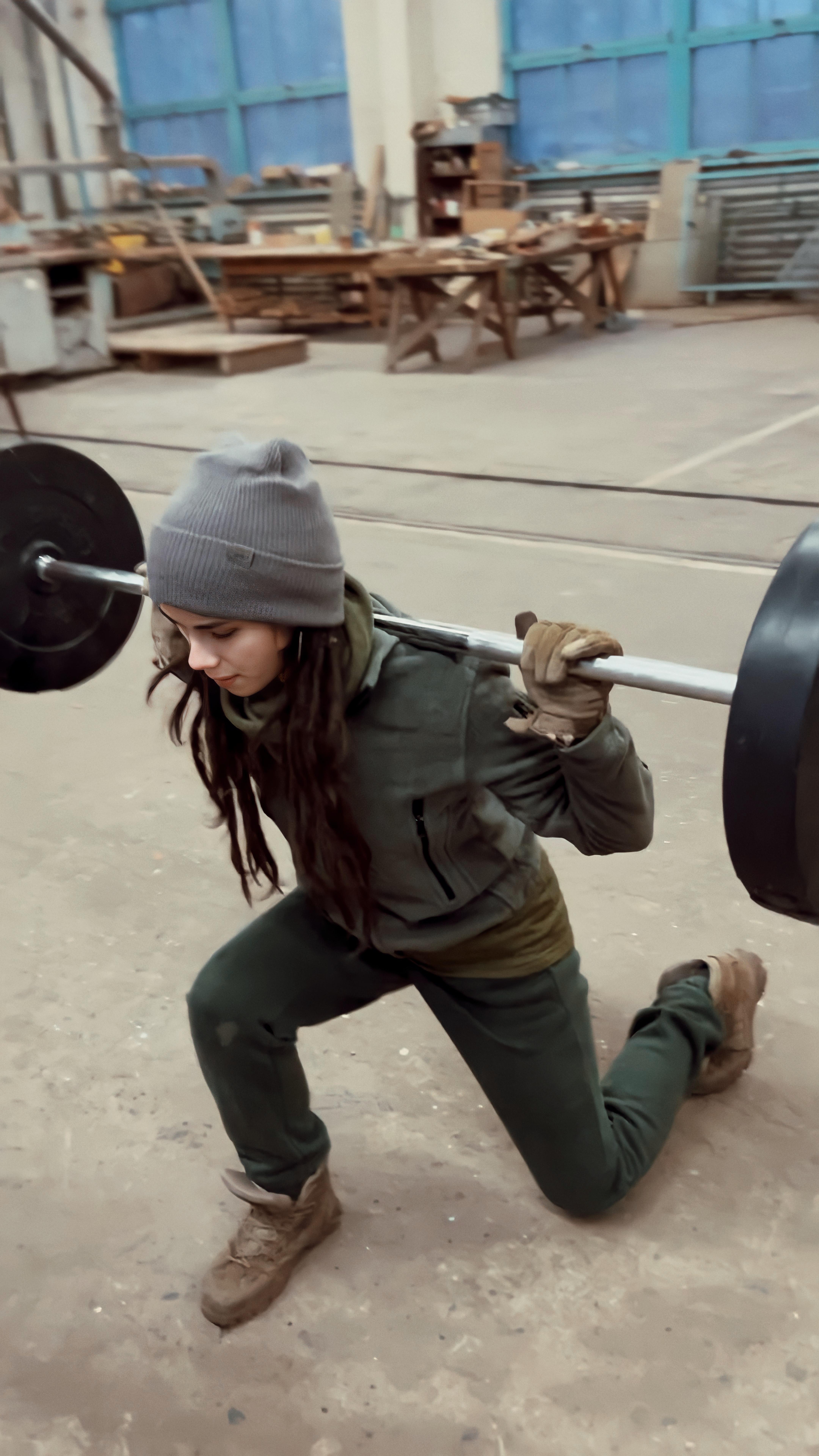
- Yes, I worked as a coach for 6 years and did weightlifting. I received the title of master of sports and decided not to move further in this direction. Because the next step is international class. It should be noted here that I came to weightlifting at a fairly advanced age. I was 25 years old, and I was competing with girls who were sometimes not even 15.
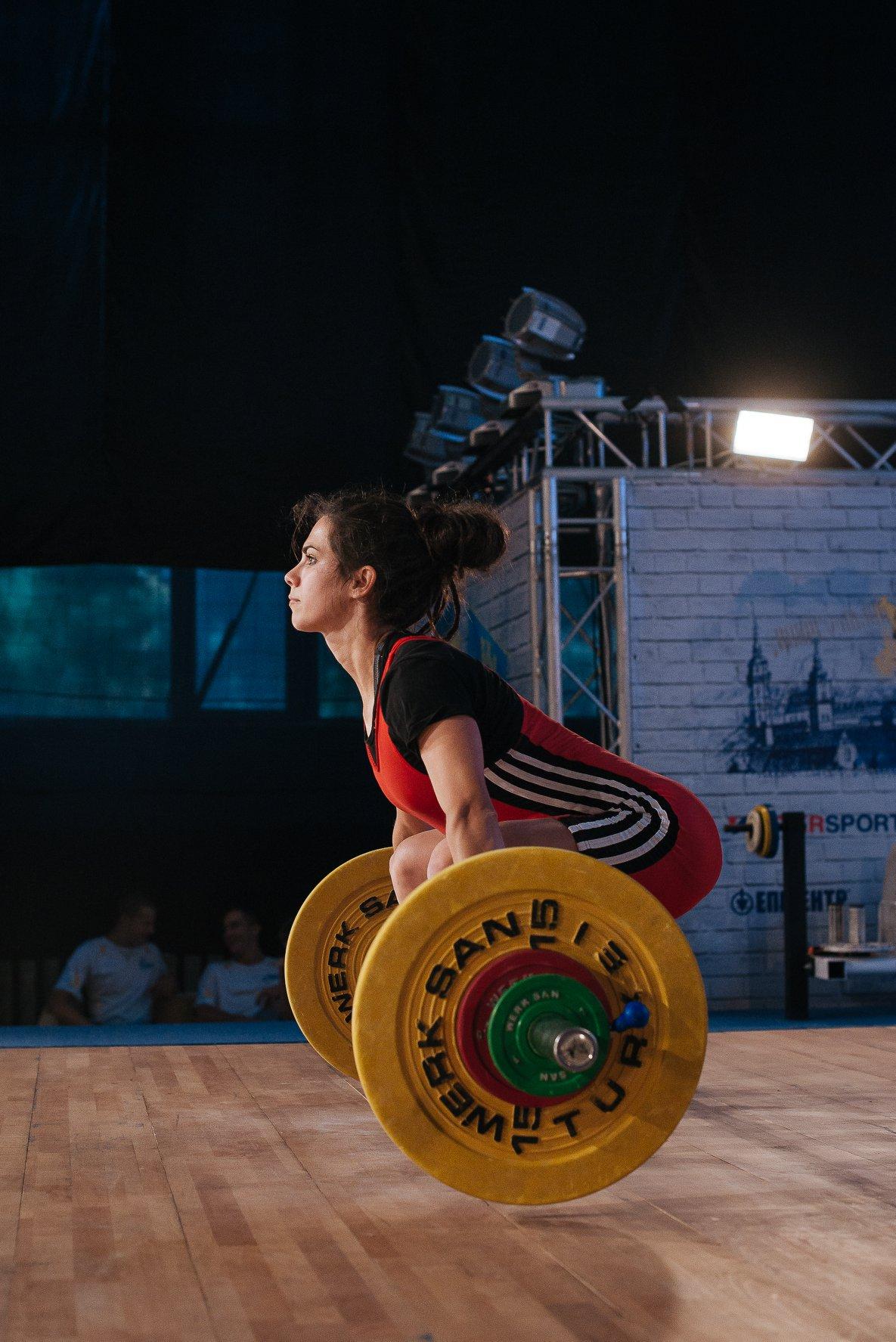
Training for international competitions is usually not about health anymore. So I decided to just continue my career as a coach and do other things that interest me.
- Namely?
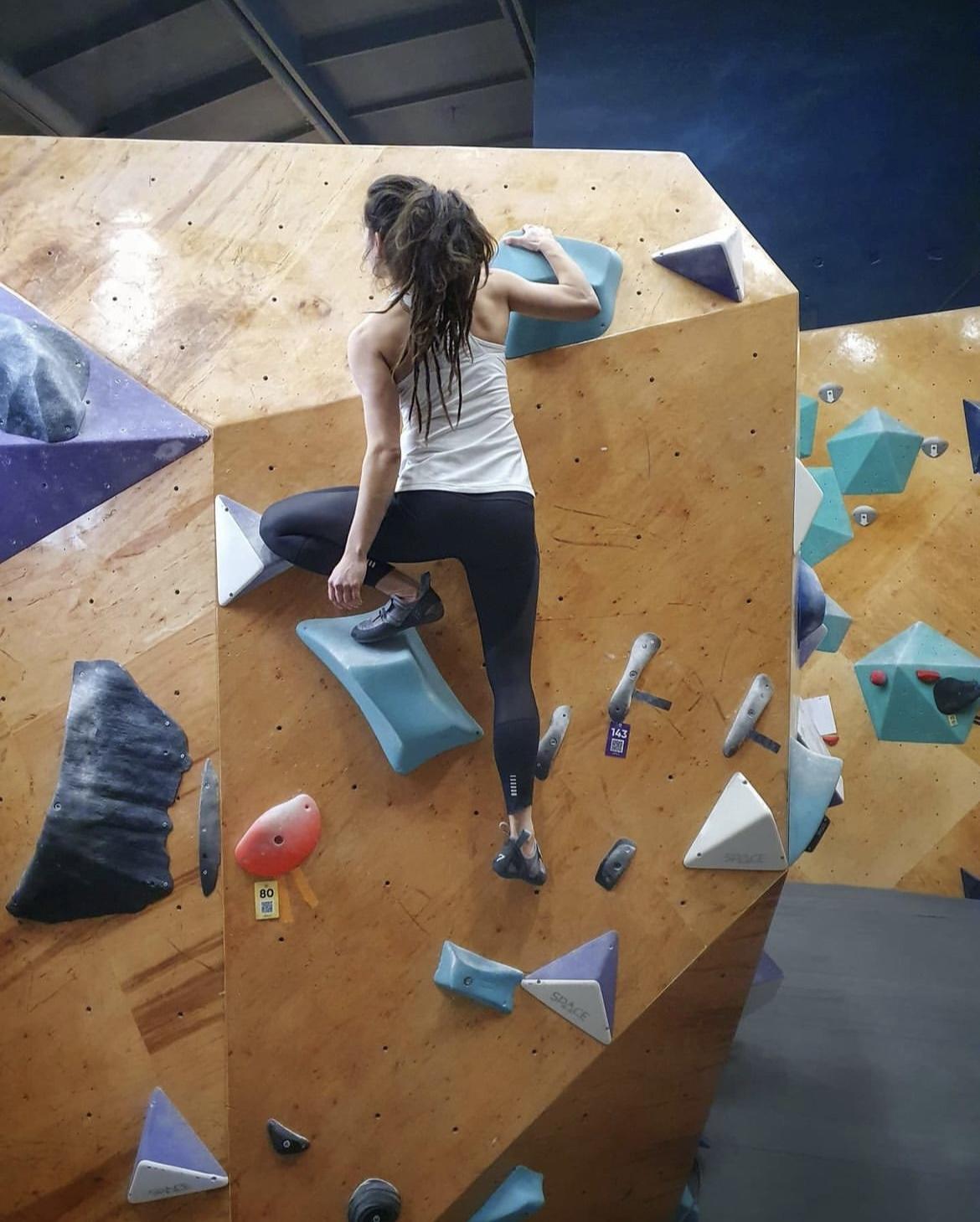
- I attended a climbing wall for 2 years, weightlifting allowed me to progress quickly.
-How much weight did you deal with in weightlifting?
- My records in there are 70 kg and in the clean and jerk are 85 kg. This is a pretty good result for my weight category (53 kg). My coach and I achieved this result in less than 1.5 years. An extremely professional coach plus good genetics.
- What does good genetics in weightlifting mean?
- Strong ligaments and joints. There were no injuries. There were some minimal ones, but nothing serious. So I didn't drop out of the training process when I started, and I just kept improving my results.

- Olia, there are enough people in our country who, upon getting to know about you, will immediately start moaning: 'You're such a beautiful young woman, get married, have children, why did you go to the front? (Olia smiles sadly. - E.K.)
I reject most of this remark, and instead of "for what reason" I ask "why". Why did you decide to join the Armed Forces when a full-scale war started?
-I don't understand it at all. What other choice could I have made? To go to Western Ukraine. And what? Sit around, read the news and donate? That is, a young, healthy, energetic girl, not troubled by the cares of children or any problems, will watch her country being destroyed on the TV screen? How the enemy rapes, maims, and kills its people? I could not afford it. But I realized that in order not to become a burden, I had to master the military profession and be effective. The army is a complex system, and without training it will destroy you.
- Tell us, what was it like? How did you go to the military recruitment office, what did they tell you?
- It all started with a volunteer battalion. On February 24, we went there right away.
- Who are we?
- Me and the boyfriend with whom I was dating. We were living in Kyiv, woke up to explosions, packed our things and moved. Even before the full-scale invasion began, we agreed where we would go in case of emergency.
I stayed in the Dobrobat (volunteer construction battalion -ed.) for 3 months, and all this time I was engaged in staff work. There were 4-5 girls in the whole battalion. We made posts for social media, raised funds, answered phone calls, and so on.
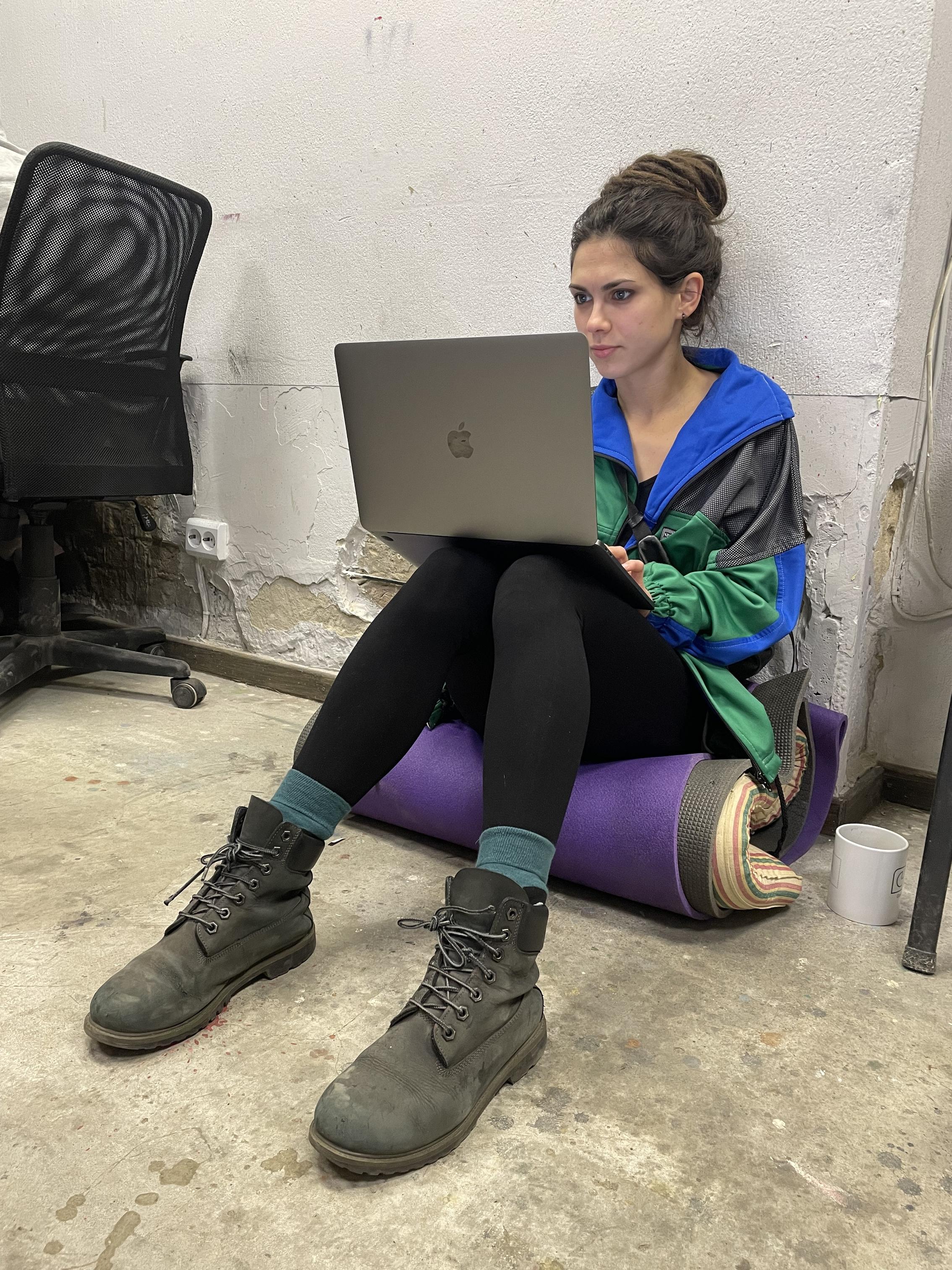
But I felt like a fish out of water. These computers, phone calls, and papers were depressing. I wanted to move on. Several times I even conducted physical training for the boys. Many of them became my friends. But I spent almost all my time inside the four walls and worked. I was a little jealous of them, they attended tactical, medical, topographic classes, learned new professions, and those who fought in the 14th improved their skills. After the liberation of the Kyiv region, they were all sent to Barvinkove, Kharkiv region, where the fighting was still going on. I asked to go with them.
- In what position did you go?
- As a photographer. Although I didn't even know how to take a good picture, I just really wanted to go, I wanted to see it all live. I really needed to get to the epicenter of the events. It didn't matter in what role, but I had to be there!
- What happened next?
- That's where I first got acquainted with weapons. It was the first time I came under fire. I was leaving on the front line. I saw this "kitchen" from the inside. It was there that I decided for myself that I would do everything possible to stay, learn and be in the system to make my maximum contribution.
- What was the moment or conversation that decided your fate?
- The volunteer battalions were being disbanded, and my friends were offered to apply to the Special Operations Forces center. "What are you going to do?" they asked. I am quite self-critical, so I decided that I would not be accepted because I could not do anything.
- So, you didn't believe in yourself a bit.
- Yes, it happened... But the guy who has been fighting since 2014 convinced me: "Just try, just try - they won't take you, they won't take you, no one requires professional skills from you now. You are from civilian life, everyone understands that. If you're motivated, physically strong and have your head on straight, you'll learn."
He was right. And I was hired. But for the position of a records manager.
- How did you react to this?
- Terribly. I had decided that I would kill my enemies. And they told me: "There are no available combat positions and girls don't fight in our army. You can go to training, of course. If everything goes well, maybe you will be transferred. But most likely not..."
That's the beginning. It's like getting a job at your dream company but as a cleaner.
Well, I think, okay. I'll do my best. I know how to fight, so I'll go. And so it began. My commander knew that I was planning to transfer, so he didn't bother me with paperwork. - Do you have to do any paperwork? Yes, I will, but when I return from training. So, I attended all possible classes together with all the soldiers.
- What did you attend?
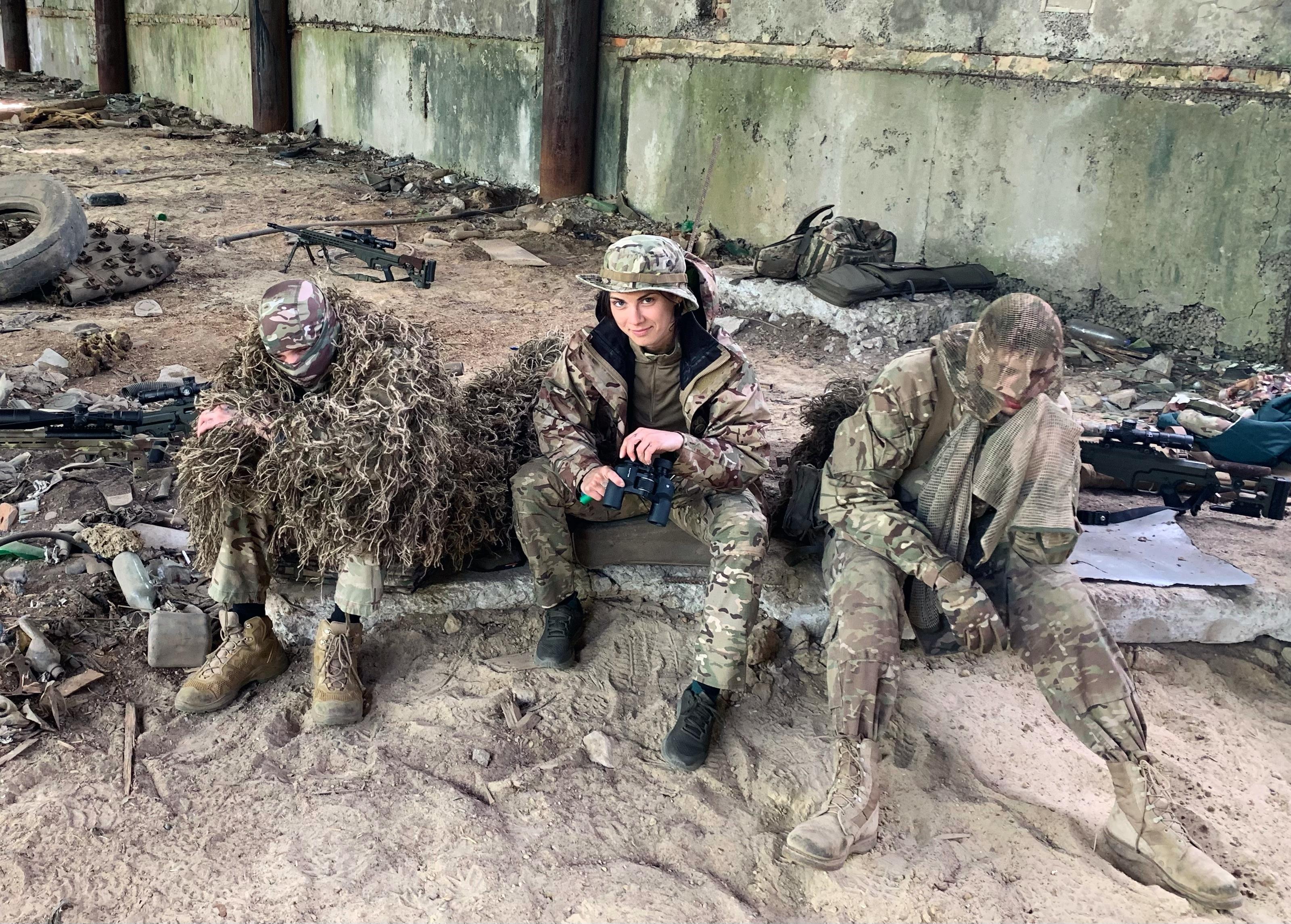
- We lived on a large base at the time. Several companies were together. We would wake up, go for a run, do some exercise. I felt great about it. Then we studied tactics, camouflage, topography, medicine, and went to the training ground. We often had instructors from abroad. In the evening, physical activity again.

- Did you already have this forced understanding that since I was a girl, I should at least be as good as the boys?
- I had to be better because I saw that I was viewed with some skepticism
- How did this express itself?
- "How do you hold a gun? Why do you do that? Ha-ha-ha. Well, of course..." Different phrases, words that emphasize that I might be weaker, know less and definitely can't do anything. They wanted to play with that.
- How did you react to this? Did you fight back or did you grit your teeth and do your own thing?
- I listened, corrected my mistakes. I asked them to explain it properly. I joined the army to learn. And this is the main thing. Thanks to sports, I knew what it was like to be the strongest in a "team" - in such a situation, your development is slow. However, others develop quickly because they have someone to learn from. So I found myself in a favorable atmosphere to improve. That's how I assumed it.
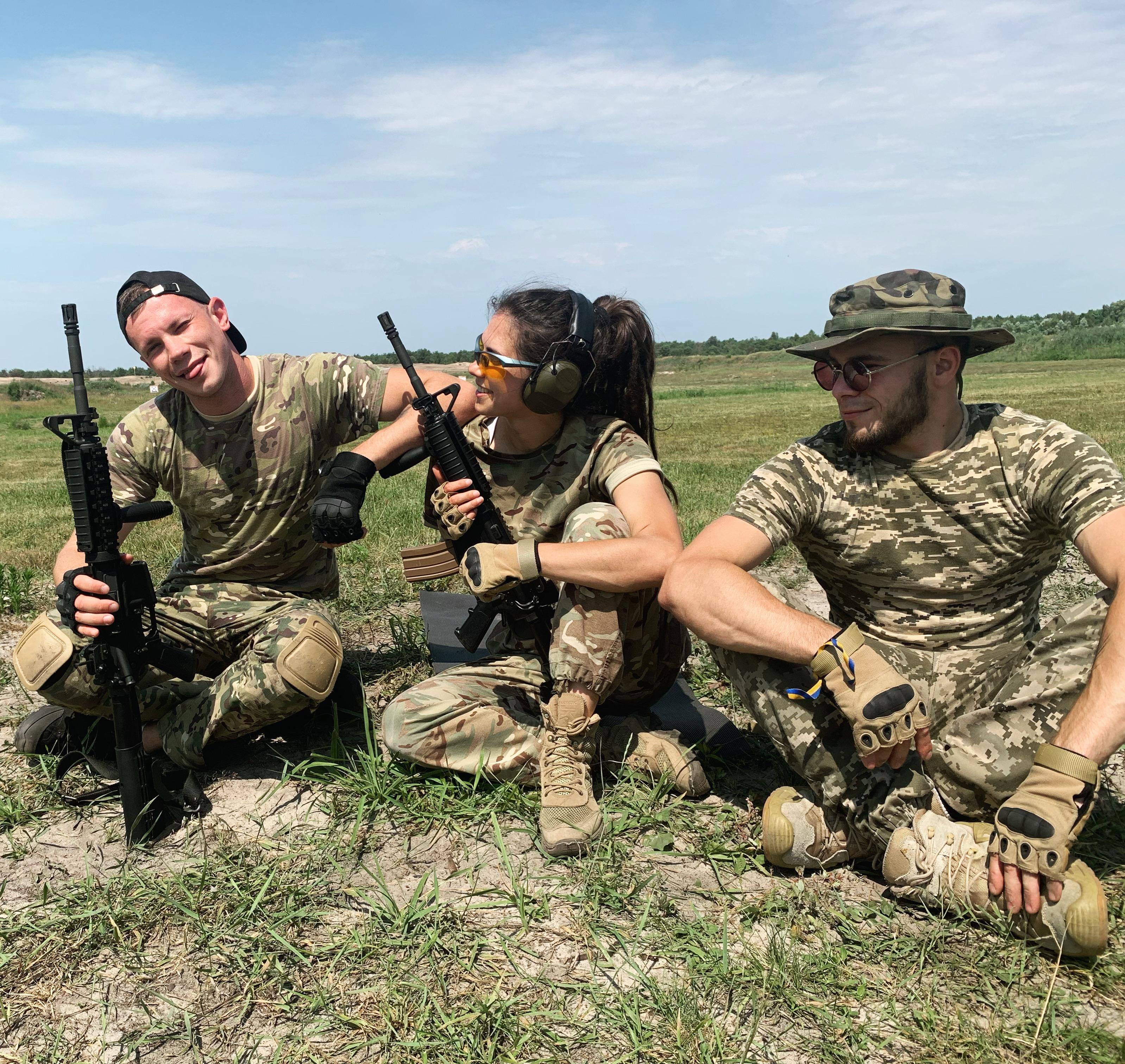
But, of course, the background pressure was strong. Thanks to my friends, they supported me, and if someone made inappropriate comments, they said: "Don't pay attention, you're doing fine."
- Over time, did the situation start to change for the better?
- Yes, because I was getting better. But now I was attacked with questions like: "Why do you need it? Why did you come to the service? Do you understand the responsibility?" I asked back: "Why did you come here? Do you realize that you can die in this war? Are you ready to die for other people?" I realized that the answers were meaningless now. The time will come and we will see who is ready and who is not.


- And did many people withstand such counter-questions?
- They just shut up.
- And if you look at the situation from the point of view of some guys? Some girl does something better than me! It becomes unpleasant, and friends can tease you...
- Yes, maybe. In general, I was lucky, because I had good physical fitness. Sometimes I gave them a head start. But I saw the situation with other girls. They were engaged in staff work and did not want to go to war, although they also tried to attend training. It was hard for them. Constant ridicule and provocation.
- And you were able to "put yourself in the neighborhood".
- Yeah. Those who were not initially in favor of girls in the army eventually gave up the idea of picking on me. I proved myself to be the best. And when all the roles were finally assigned, it became clear that we were one team, motivated and ready to make ourselves useful to the country. Even the commanders of other companies supported me. And thanks to them, all those long conversations, all the training I did, the results I showed, I was transferred.
- Wow. How did this happen?
- It's an interesting story. I was still officially working as a records manager. But in fact, I already had my own combat group. And then I received an order to leave. The unit had to withdraw and move to the Mykolaiv region. All except the staff. Olia, I'm sorry, but the commander ... did not confirm your transfer."
- Oh. How did you feel?
- I was in despair. I asked myself: "Why? What did I do wrong? It's not fair!" In civilian life, I am used to the fact that if you have a goal, move towards it with perseverance, make every effort, you will achieve it! In the army, it's not so simple. If there is a decision that girls do not fight, then they do not fight. That evening, I once again appealed to my commanders to ask if there was anything else I could do to influence the situation. They replied that they had put as much pressure as they could on the higher command, they also thought I was ready for the next step, but an order is an order.
One morning I woke up to a call: "Come to the headquarters. The commander wants to talk to you". I had met him only once before when he told me that girls have a place in the kitchen. He is a respectful, serious man, able to make it clear that his word is law.
The conversation started with the following words: "I've been hearing about you for a long time. My ears have been chewing off that you want a combat position. I was against it. But when so many people applied, I had to reconsider my decision. I don't know how you did it, but you carry out your bat. We will transfer you. But the only thing I ask you is to keep your head down." I have no idea what he meant, but I was happy.
- And then you realized that you were being taken seriously.
- Yes. I feel like I've entered a prestigious university on a budget and I will have a dream future.
-Or took a record weight.
- Yes. It was like a feeling of victory. Victory in the national competition, where I set my personal best. So after that conversation, the real service began for me.
- Before we go any further, when and why did you get the call sign Vysota (Height-ed.)?
- For a year and a half, I didn't have a call sign. I was just called Olia. I was used to being addressed as Olia from the military. My friends and I tried to come up with something, but nothing worked.
And already in the sniper platoon, the day before the combat, the commander, whom we respected extremely, came up to me and said: "You have until the evening to announce your call sign, or I'll give it to you."
- And what did you think?
- I thought it was a nightmare. I hadn't come up with anything in a year and a half, and definitely nothing within a couple of hours. In the evening, at the quarters, the commander announced: "You are now Vysota." And Vysota was the call sign of his first commander.
- It's an honour.
- Yes. Perhaps this is a hint of my great future in the army (laughs).
-Let's move on. Football goalkeepers are said to have a special psychology. They are on their own wave, and this wave should not be disturbed. They need a special approach. Is there something similar with snipers or is it a myth? I'm asking about your observations, because you have trained with them, communicated with them, and have your own observations.
- I would say that they have a special attitude. "Snipers? Wow! We have been waiting for you! All our hope is in you!" - I have seen this reaction from the soldiers on the frontline when we came to work with them. But this is not always the case. As a rule, it is the opposite. Sometimes they don't even want to let us into their trenches (sometimes we have to work from the positions). They are afraid that...
-...will the enemy target them?
- Yes.

- One sniper, whom I asked about the attitude of the infantry towards her and her comrades, replied: what attitude? It's bad because they are afraid that if we shoot at the katsaps, then the katsaps will start shooting at them...
- There is such a thing. Probably 60 to 40. 60 are afraid, 40 treat us with respect and are happy when we appear. This reaction is very pleasing and motivating.
- It probably says more about those people who have such different attitudes.
- Their fear is clear, they are afraid that they will be targeted. But this is not the way things are done. We ask: "Guys, how do you imagine the war? Do you want to just sit in jail and do nothing? They will be operating on you anyway! We have to fight, we have to make efforts to kick the enemy out of our land. You can't win a war with this kind of logic!"
- Tell us about your service in the expiring year.
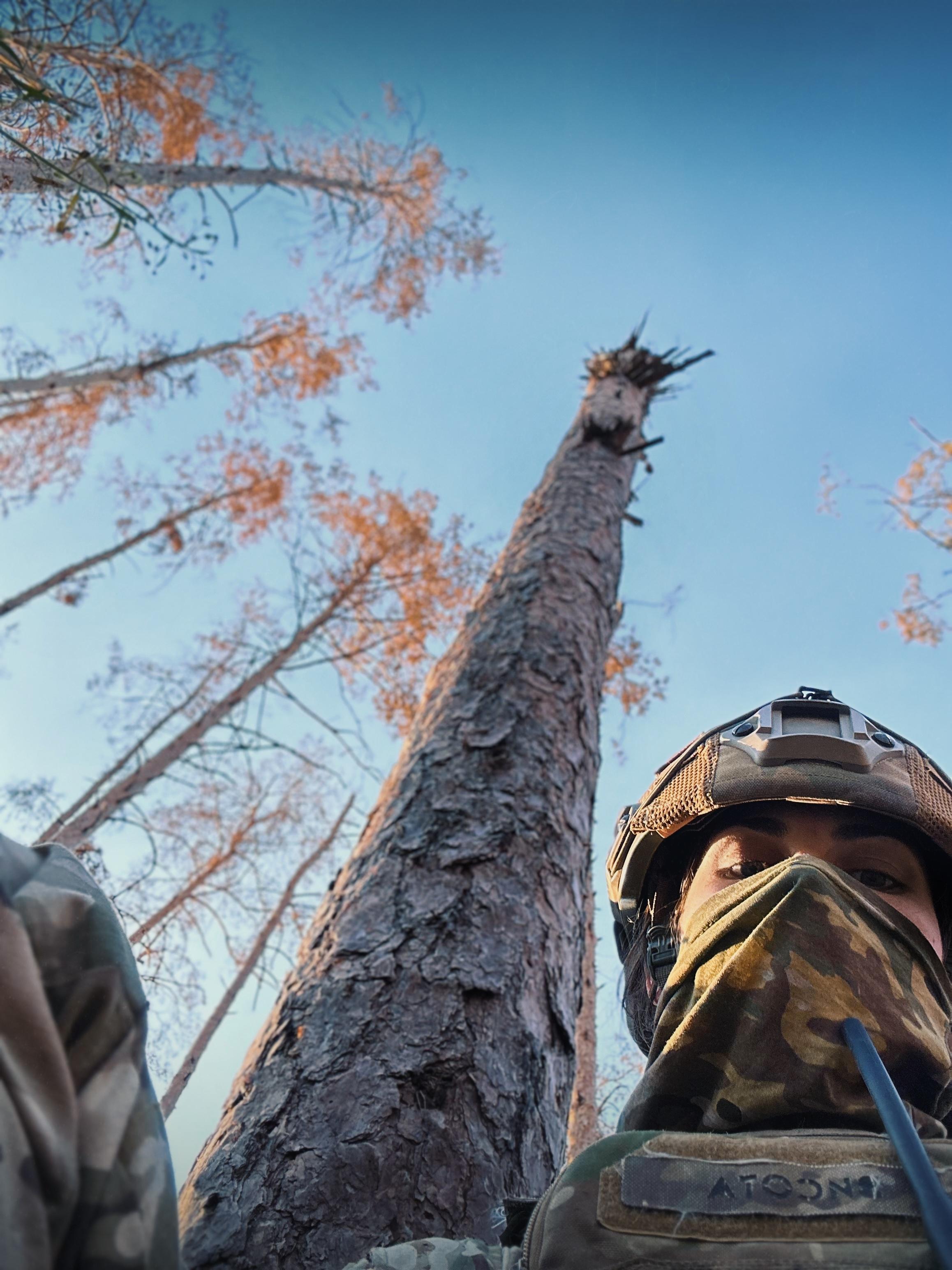
- At the beginning of the year, I performed the duties of a Signaller. Although I'm also a shooter by profession. A little later, I started to go to the ground front line with the group. I was a cover for a sniper. There was a trip where I acted as the sniper's second in command. My skills allowed me to use a rifle if necessary. Unfortunately, I was "knocked out of action" for two months. I was treated after being wounded. However, during this time, I managed to undergo training in FPV drones. Now I am involved as a Mavic pilot. In the future, when we manage to raise enough FPVs, I hope to work in cooperation with our snipers. We can organize very interesting events with this team-up.
- What rifle did you work with?
- The first rifle I trained with was a Savage, 338 caliber. But in the area where we are now, this rifle is too long and too heavy. I have also worked with Barrett and UAR. They are more comfortable. That is why we actively use them.
- How much weight did you have to take with you during training?
- It depends on the purpose of the training. The weight can be up to 30 kg or more.
- Did the fact that you're a woman make any adjustments to this weight?
- No, it doesn't. If you can't carry it, that's your problem.
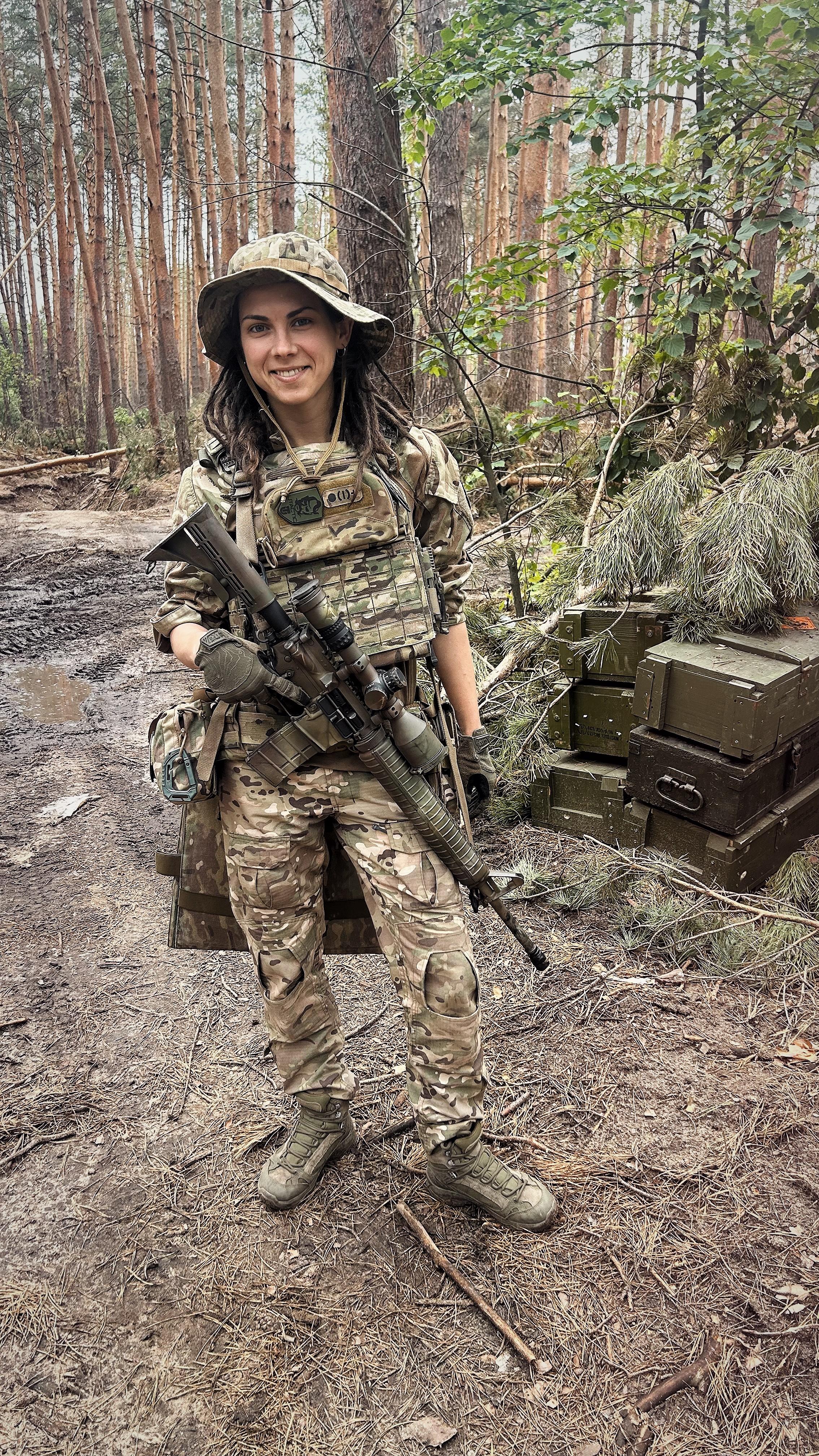
In addition to the rifle, there are also multi-kilogram backpacks...
- Yeah. And full equipment. If you throw a backpack on your shoulders and go, it is much more difficult to carry a rifle. I remember how during training we had to crawl up to the instructor unnoticed with our weapons in our hands. And I was with Savage, who weighed so much and was almost my height. I had to sweat a bit. But it was interesting!
- To which extent did it correspond to what you had imagined at the beginning?
- Physically, it was much easier than I thought it would be.
- I must have said to myself: how cool it was that I decided to do weightlifting!
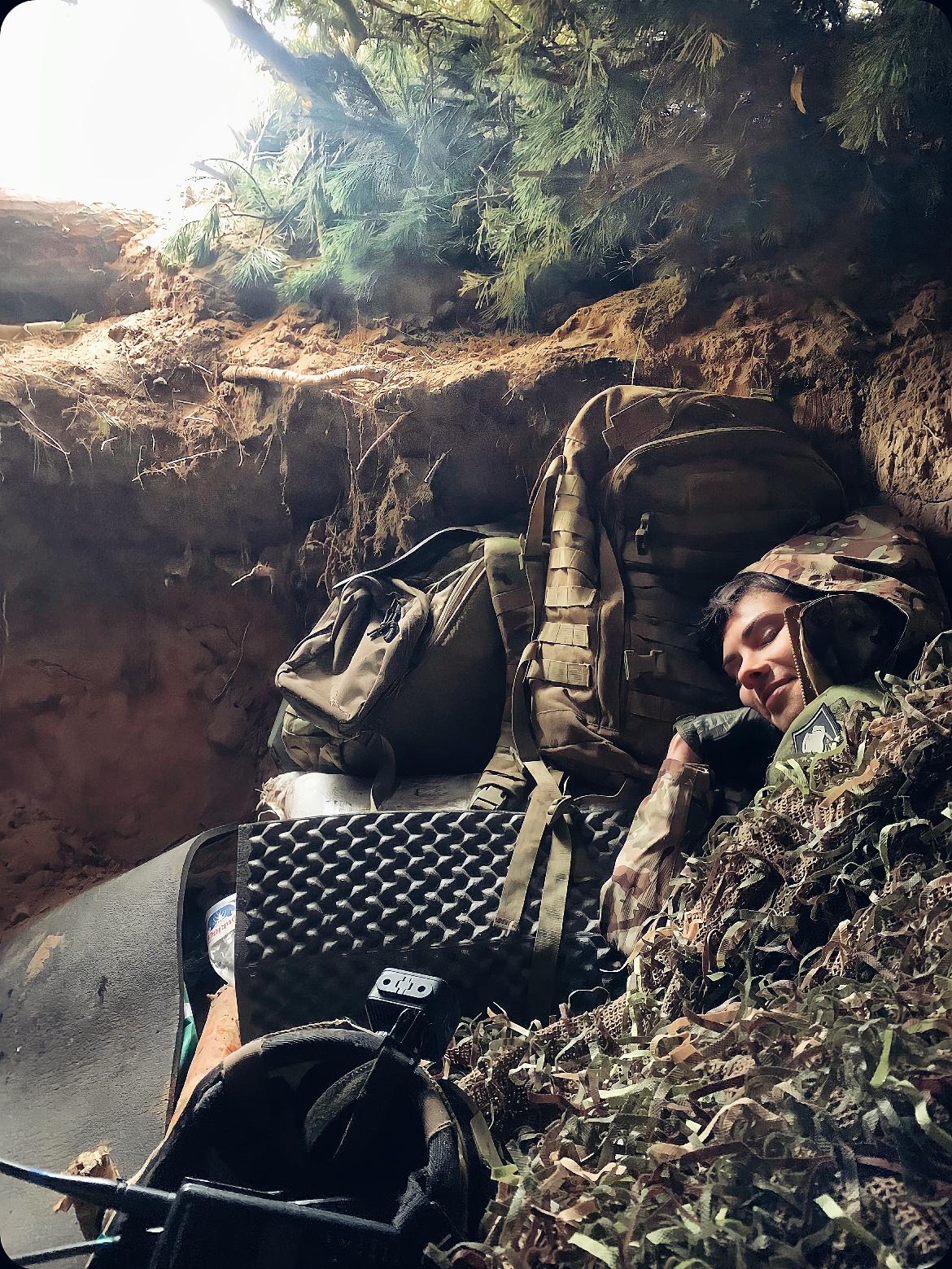
- Yes, I did. To be honest, I have never been tired during the war, as I was during weightlifting training. Of course, I used to run around in my gear under fire, and I could feel short of breath, but thanks to my good physical shape, I would quickly recover and never feel tired.
- Olia, in this interview, you tell me about different things, except for one. You were wounded. Is that why you spent two months on sick leave?
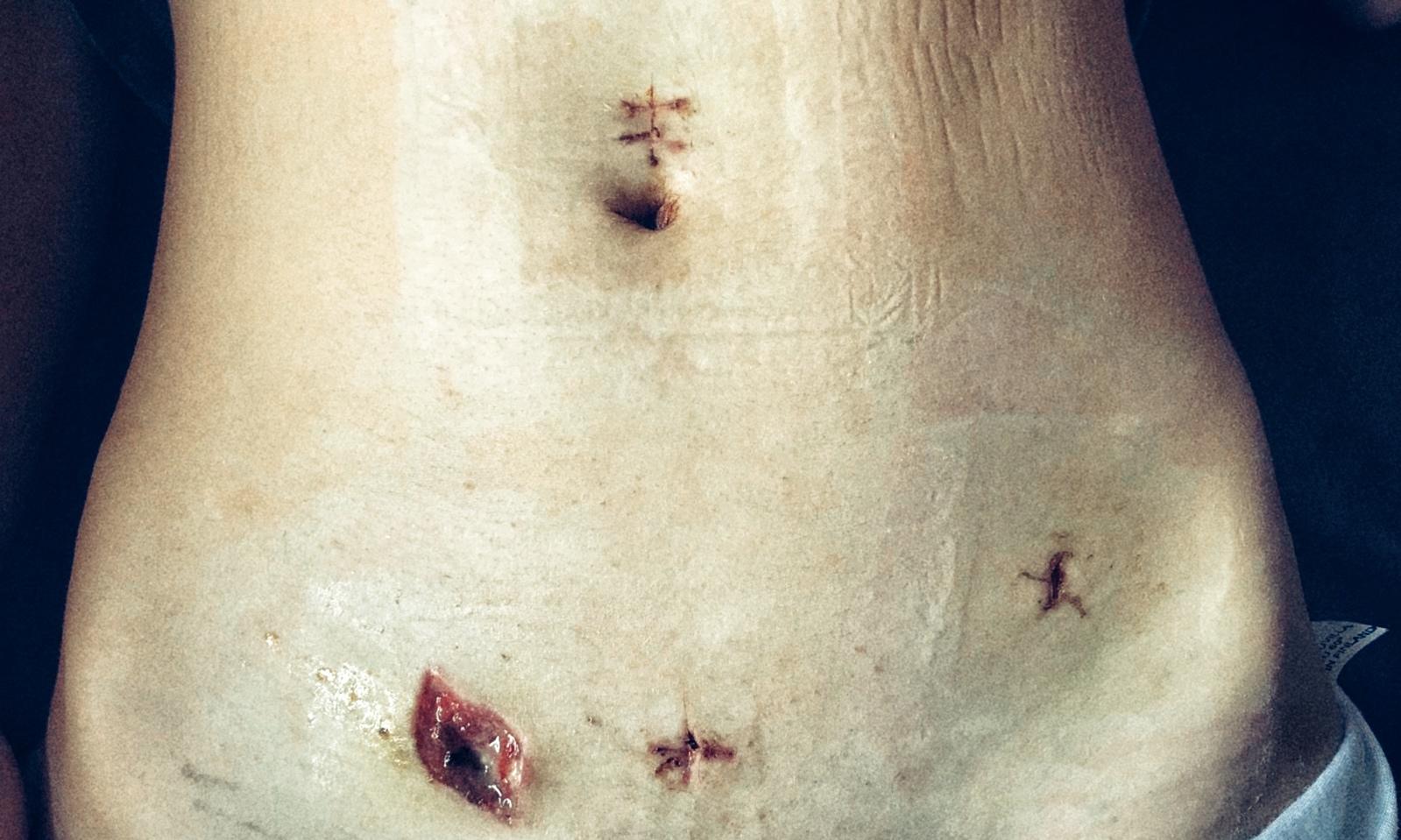
- Well, yes, a mine fragment hit my lower abdomen.
- How did this happen?
- We went to the positions as a group. We had an interesting job planned. If we succeeded, we would destroy the enemy's observation point. An attempt to cross the area under fire failed. A mine fell a few meters in front of me. A pillar of smoke, dust, sand - I felt a very strong blow to my lower abdomen. I doubled up from the force of the impact and shock. I crawled to my comrade, who looked at me and said: "You're bleeding there". I started to feel a strong cutting pain as if something was cutting my skin and muscles. Our comrades who were behind us joined us. The shelling did not stop. It was becoming more intense. It was clear that we were all in serious danger. Probably, we were spotted by a "bird" when we arrived. Thank God, our retriever was nearby. We ran to him. But soon I could not run. The pain was unbearable. My comrade carried me to the car. Then we started a long evacuation along an unrealistically bad road. By the time you get to your position, you already have a concussion, and then you have a piece of shrapnel in your stomach. It was so-so.
- How long did it take to get from your position to the stabilization point?
- Oh, I had about five stabilization points. At each one, they gave me injections, looked at me with sympathy and treated me further. Until I was on the operating table, far from the front. The shrapnel was stuck in my soft tissues. And while I was being transported, it fell through and got stuck in my intestine. The internal bleeding started.
- What were you thinking about all this time?
- About the terrible things. Because I saw the frightened faces of people who heard where and how I was wounded. There wasn't much blood, but it was on my lower abdomen. So my first thought was: "I will not have children". Well, I didn't want to. But it is a strange way not to have them. I also heard fears that the liver could be affected, and there was a high probability of death. When I saw myself in the mirror, I was scared. All gray-green. I gradually began to realize that I was leaving the war. I was terribly sad. I will be withdrawn from combat, I will not be able to work with everyone for some time. What if I become disabled? What will I do? I had decided to devote myself to the war... and here we are. I feel hopeless as if I have lost a competition where the main prize is my healthy body.
But the most terrible thought: "What will I do without my comrades?" We have been together for so long, and now I will be alone. In a hospital. With no one around. That was the worst thing.
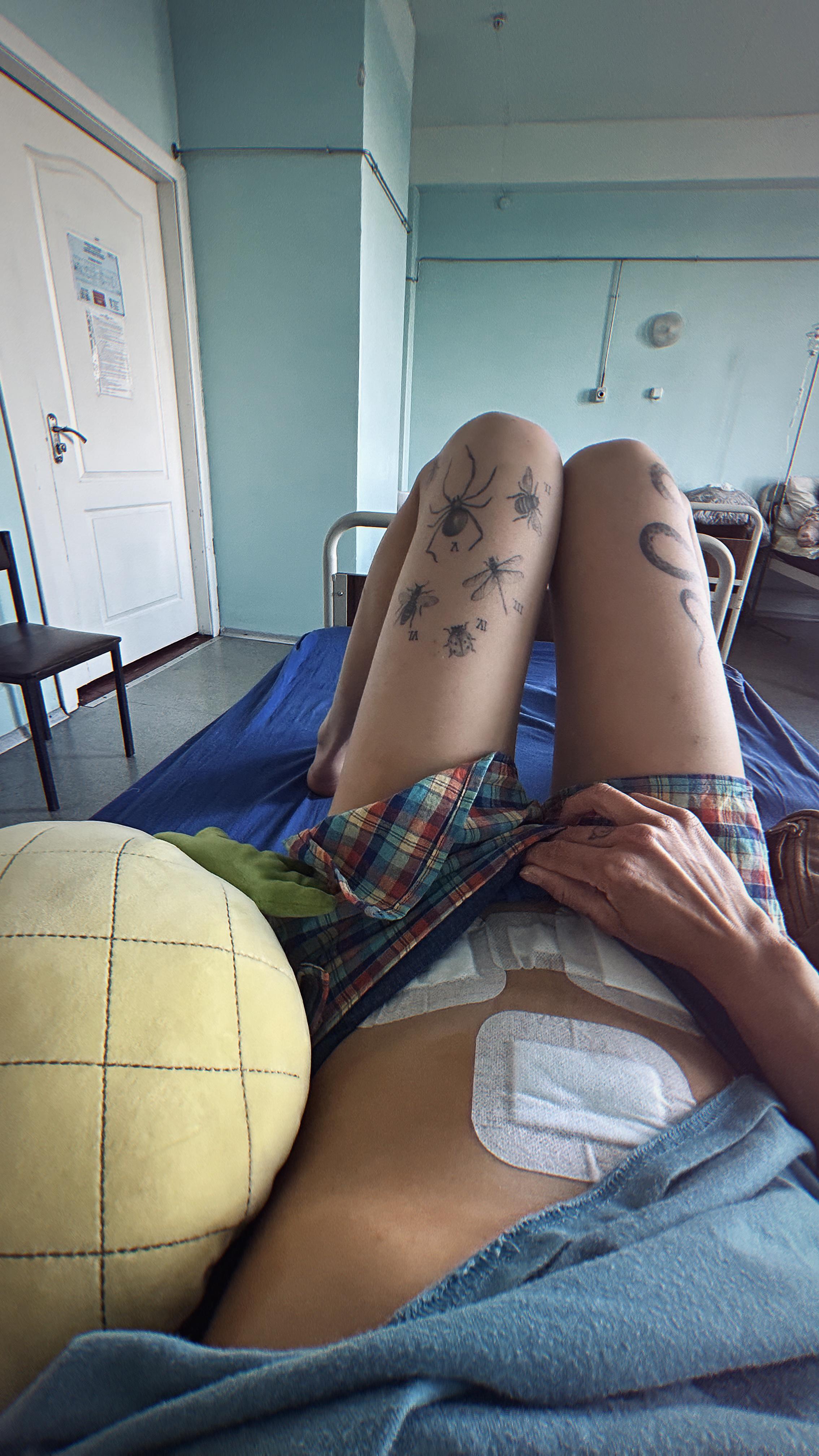
As a result, I had an operation, the shrapnel was removed and I was discharged in a week and a half. The hole in my stomach had to skin over, and only then could it be stitched. There was no point in staying in the hospital anymore, I felt great.
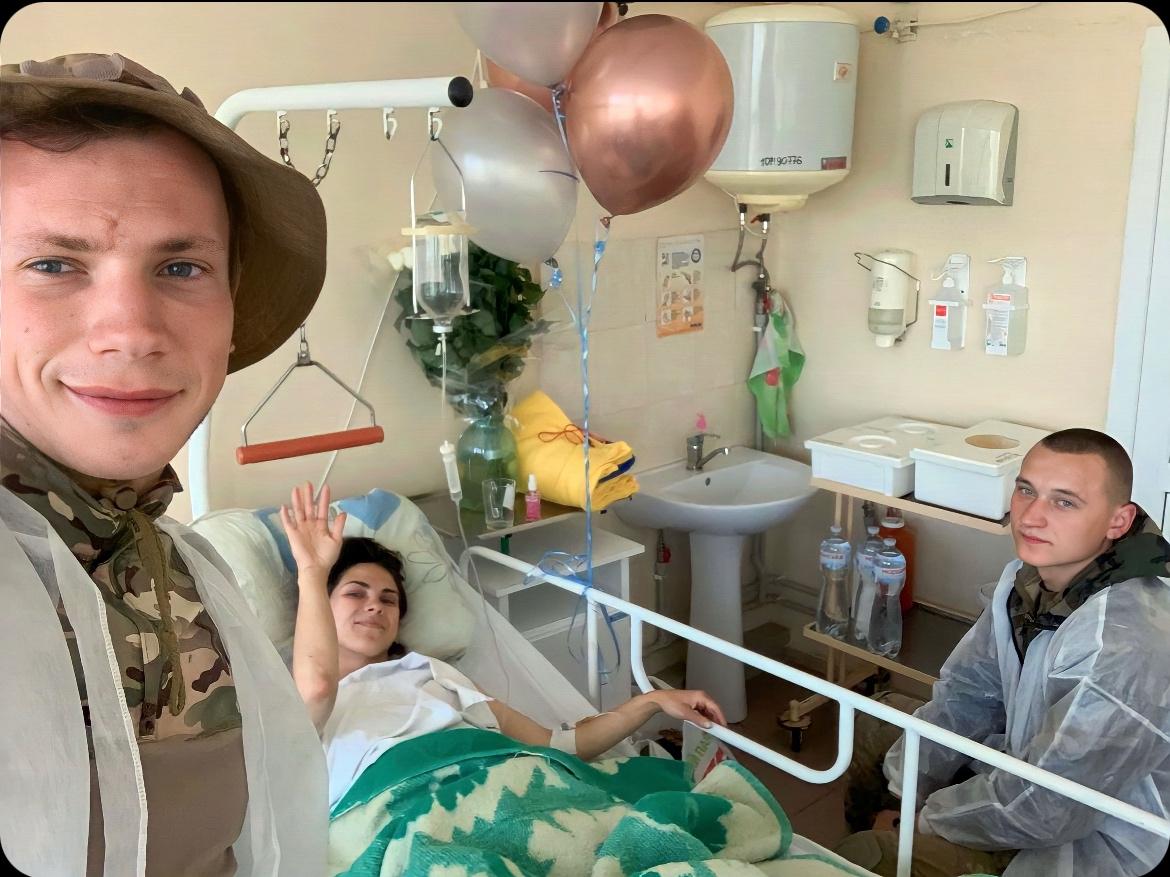
- You talk about it so calmly. It's like you're seeing it from the outside.
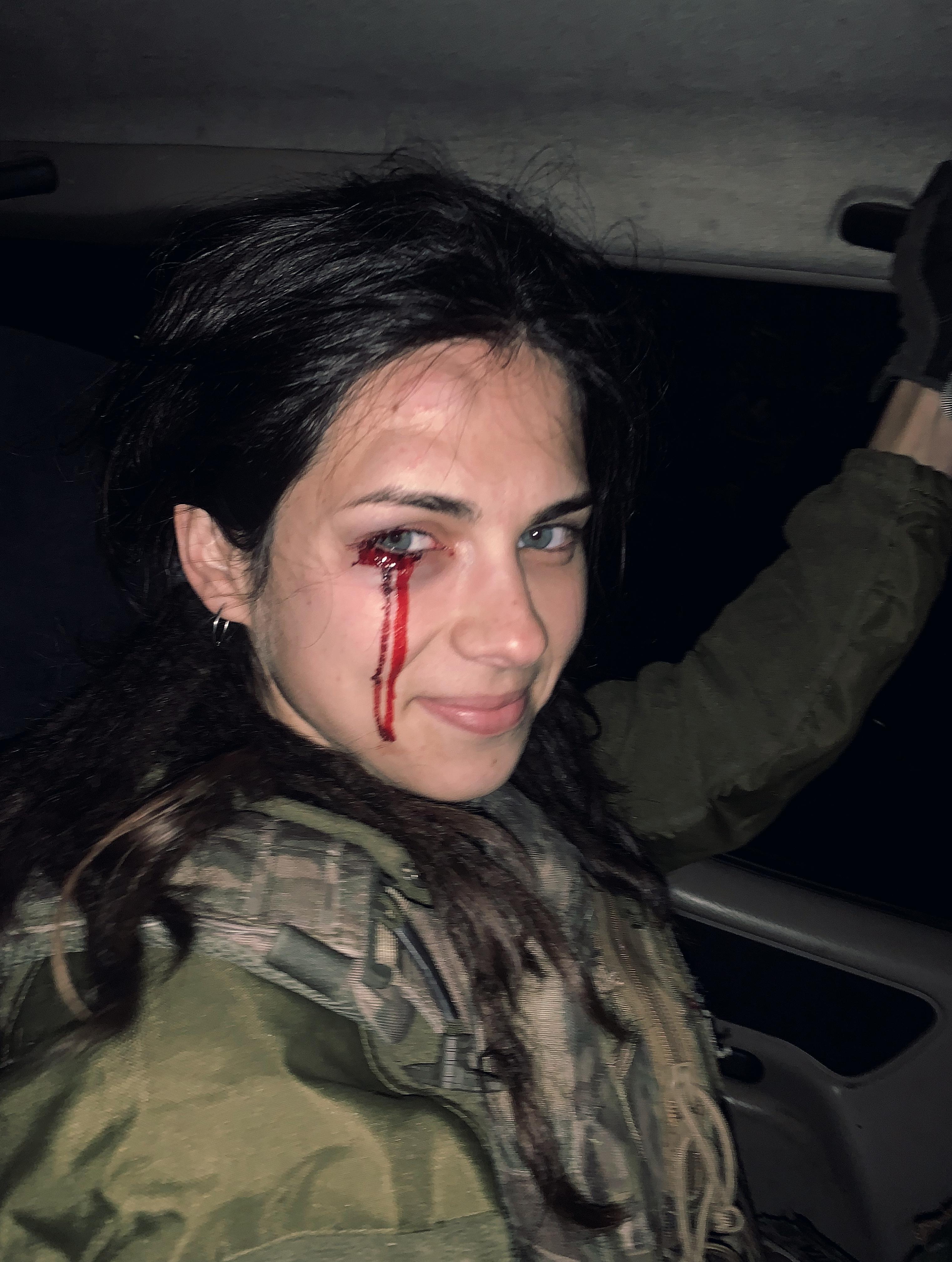
- Yes, I have already experienced it. A month ago, during an intense shelling, I was unlucky again. I got hit in the face, something flew off, I don't know what it was, but it wasn't a piece of shrapnel. They put a couple of stitches under my eye. Now I have a scar. It happened just the day before Halloween, so I have a funny picture of it: blood flowing down my cheek like tears.
- Olia, these days the volunteers of the largest Ukrainian chess community Team Ukraine together with the Veteran's movement held a chess tournament. The purpose of the event was to raise funds to buy ammunition for snipers. And people asked: why, the Ministry of Defense does not give you ammunition? We were told that at least there is enough ammunition at the front...
We have to explain that the Ministry of Defense is one thing, and it is a constant saving, but snipers still need to train, because the one who trains more wins in the sniper war. Do I understand correctly?
- Yes, you do. They are given ammunition for combat. But snipers need to train a lot. Especially young ones.
You can't take the ammunition allocated for the field and go to the training ground to practice. Every round is accountable. To make our work effective regularly, we need to improve our shooting skills and perfect them. Without this, we will not achieve results. So this training is incredibly important.
- Because if you don't practice, your shot will likely be imprecise, and the enemy, who has been practicing all this time, will not fail.
- Yes. The training process is the basis. A shot in combat is just an exam. Without proper training, you cannot pass the exam. And this is a matter of human lives. If not you, it will be used to kill you.
- And how many rounds of ammunition per week do you consider to be the optimal amount of training per sniper?
- It is impossible to answer this question with a specific number. We have snipers who have over 12 years of experience with a rifle. They need roughly one round per week. They make a shot, evaluate the result, analyze it, and it is enough for them to know whether they need to change something or improve something.
If we're talking about a beginner, it will seem to him that 10 rounds a day is not enough. Because for him, every shot is a whole universe of thoughts, questions, feelings, struggles with wind conditions, its direction and speed. I'm not talking about the importance of shooting and practicing the lie. Ammunition is absolutely essential.
-That sounds bite.
- So I hope that our young guys will have the opportunity to shoot as much as they need to.
- And right now, as part of this interview, I will address the readers. Dear friends, please donate to the sniper ammunition project! You must admit that this is the best investment in the lives of specific young guys who are defending Ukraine and all of us. 1, 2, 3 shots for your money is very important! And the more, the more likely it is that our snipers will stay alive and kill more occupants. That is, your kopeck can become priceless!
At the end of this article, we will provide all the necessary details for fundraising. And now - the last question. Olia, will we win this war?
- I don't know. It looks like in a year there will be no more military who have been in combat for a long time. Each of our trips is a 50-50 game, you will stay alive or die.
And when you are constantly lucky, you realize that you are approaching the moment when luck is not on your side. So I think even when we win, we're unlikely to see it. Definitely not in the form we dream of - to fight a little more and start rebuilding.
But hope dies last.
Please pay attention, dear readers! We kindly ask you to donate as much as you can to purchase ammunition for a separate platoon of brigade snipers, about whom Olha Yehorova tells in this interview. Those who wish to do so can use the information below:
Vasylyna Duman, No,26972904 in the Register of Volunteers
Paypal [email protected]
PrivatBank (UAH): 4149629331858043
Monobank (UAH): https://send.monobank.ua/jar/9SqoxLvvJV
Yevhen Kuzmenko, Censor.NET
Photo from the archive of Olha Yehorova


