



Commander Ruslan Kahanets: "It is impossible to win this war without people. We will not make millions of robots with artificial intelligence to fight for us"
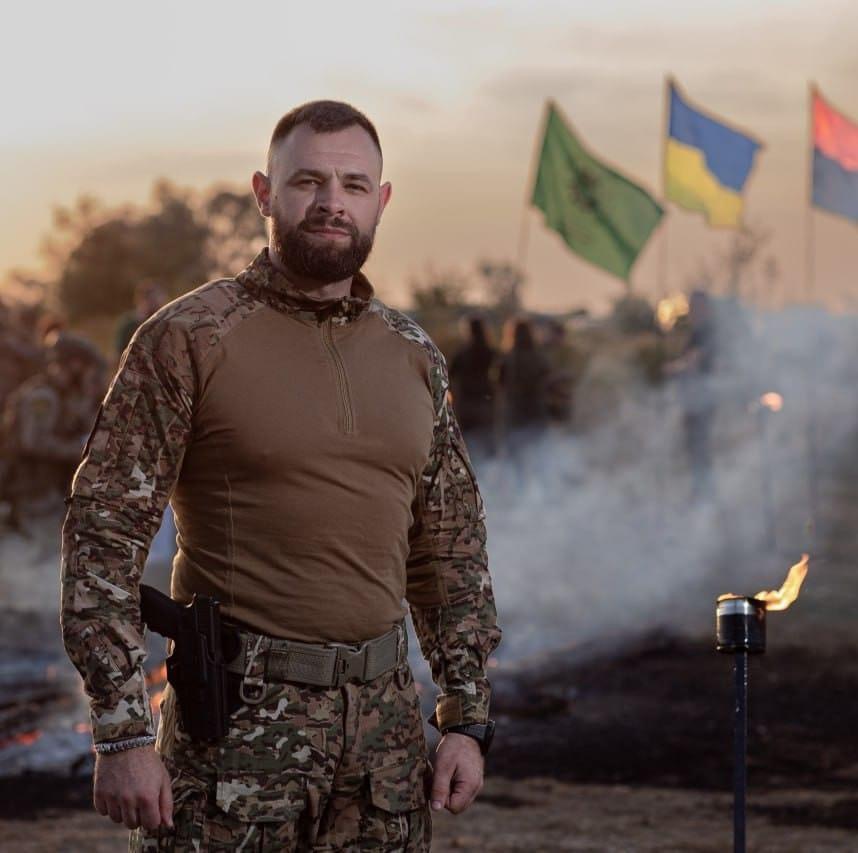
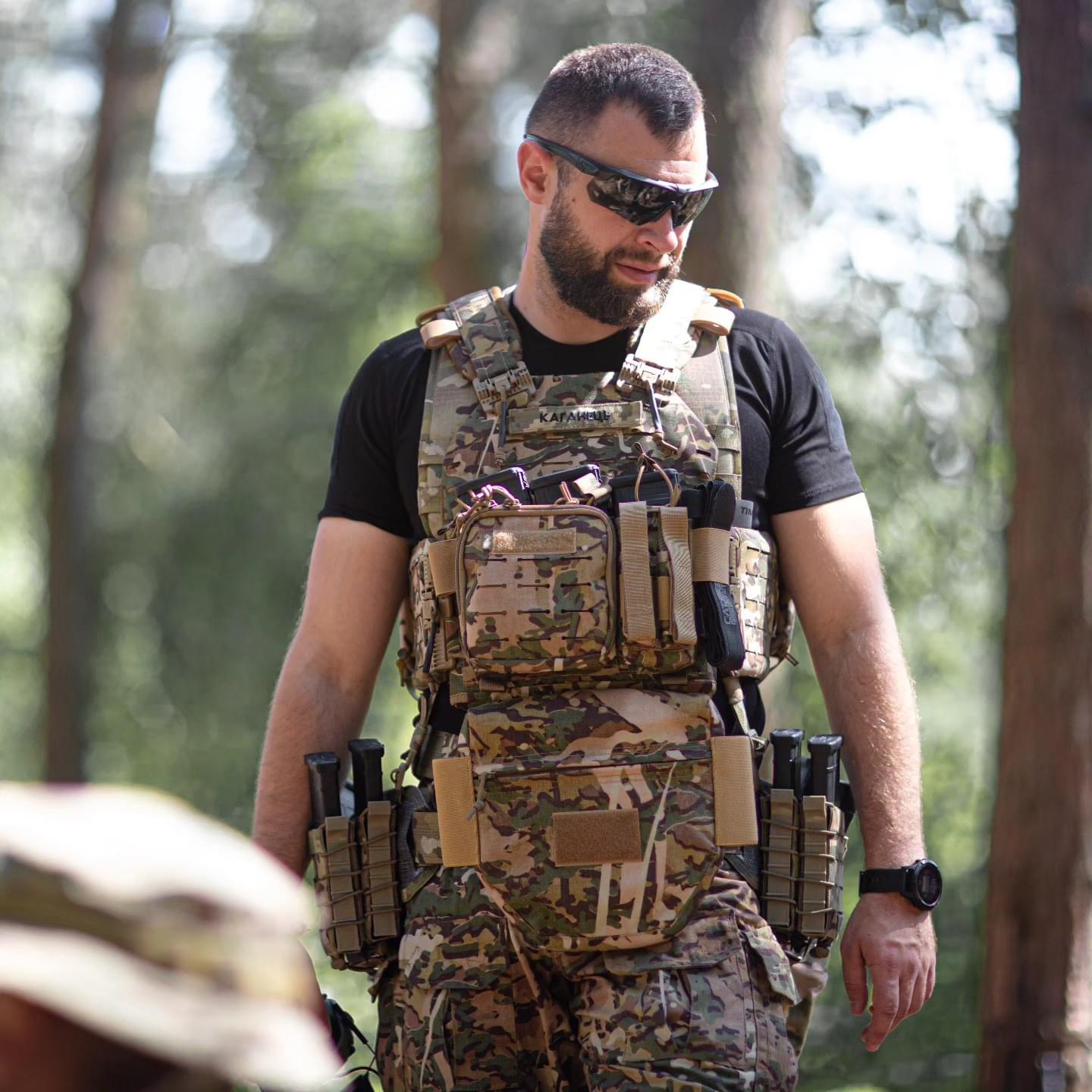
Ruslan Kahanets currently commands the Sonechko (Sunshine) Volunteer Reconnaissance Battalion, a part of the DIU’s Tymur special forces. He has the call sign Commandant, which he received at the beginning of the Revolution of Dignity. However, he has been wearing a military uniform since 2008. Back then, he switched to part-time form of study at the university and joined the army.
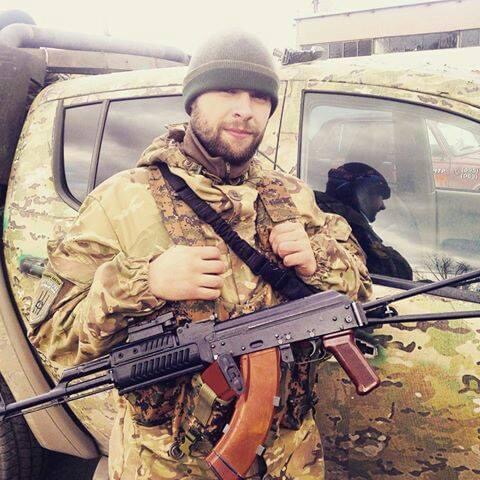
- That's what my inner feelings told me to do. Life has shown that it was a very good choice," he tells me in an interview. - "My first commander was Serhii Kulchytskyi, who died in the ATO in 2014. He was an incredible man! A man who was really professional in his work. Not on paper, but in reality. To give you an idea, in general, conscripts in the army used to shoot once or twice in six years. It was not like that with us! Hand-to-hand combat, firearms training, tactical training. That is, we were always being trained. It was there that I was taught to shoot. This knowledge became the basis for me to go to war as a volunteer fighter in 2014. Because I knew, I was able to, I was psychologically and physically ready for it.
- In 2008, there was the Russian-Georgian war. Did you have a feeling then that we might be next?
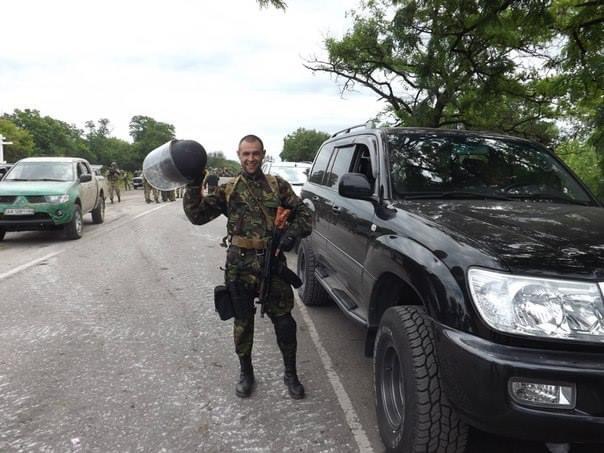
- At that time I did not look that far ahead. In 2008-2009 I did my military service. After the army, I was a member of the nationalist organizations Carpathian Sich and Tryzub (Trident) of Stepan Bandera, which was then led by Dmytro Yarosh. There were constant training sessions in the forests, classes, and war games. I was always in training. Then the Revolution of Dignity happened. On the first night of the student Maidan in Uzhhorod, I was the commandant. I have had that call sign ever since. From the Maidan to the ATO. These events followed each other and it went on and on.
- In one of the videos recorded at the beginning of the full-scale war, you say: "Everything is not like it was in 2014"...
- Of course! Without respect to Arestovych, because he is already a "Russian," I will quote a phrase that he once said in an interview: "ATO is a resort for boys". Compared to a full-scale war - artillery shelling, intensity of fighting - the ATO was indeed a testing ground. Although it was difficult at the beginning: we had no front line, separatists were dispersed everywhere. For example, we could drive through a village in one car, and after us, the car with the guys was shot from the ambush. Our first battles were for Karlivka and Avdiivka, which we were liberating at the time. But still, there was less artillery, and the small arms battles were short and not as fierce as today. Nowadays, every position is really fought to the death.
- You were in the Kyiv region after the Russian invasion in 2022. Could you tell us how you ended up here?
- I work at the Verkhovna Rada's Administration. A week before the war, I received a text message from a general: "Get ready. There will be a war". In general, information about such a development ranged from January 18 to February 24. Preparations began - the movement of troops and so on. About three or four days later, I posted a short 40-second video on Facebook that went viral and had 17,000 reposts. In it, I asked them not to spread information about the movement of our troops and to stay calm, because there was a lot of work to be done, and Moscow would not burn itself down. There was an understanding that our borders were not just a training exercise.
- But at the same time, the authorities publicly assured me that there would be no attack!
- I was informed by serious responsible people. Many were preparing. For example, the Cabinet of Ministers gave its employees clear instructions on what things to pack and how to evacuate. They launched informational videos and prepared buses. The administration of the Verkhovna Rada did not do this. I was surprised why the Cabinet of Ministers prepared their people so well, but we did not. That is, some were prepared, and others were not. The former were able to react correctly on February 24. But on that day, many of our employees did not come to work. Of course, some of them couldn't even get there because they lived in Irpin and Bucha. However, some did not want to. I came for half a day because it was clear that there would be no more work. Those who believed and had instructions acted accordingly. The rest were, let's say, negligent. Now we see the same thing: when there is an air raid alert and the danger of shelling, there are those who go down to the shelter and those who ignore it. So if the latter were told in early 2022 that there would be a full-scale war, it's not a given that they would believe it. And it was our main enemy at that time.
- There were those who could not believe that Russia could attack, even though they understood in advance that such risks existed...
You have rightly recalled the conflict in Georgia - it was in 2008 that there were first talks that Ukraine could be next. Moscow's appetites, as the successor to the Soviet Union, are appropriate. Unfortunately, we got a lot of negativity from pro-Russian politicians - the Party of Regions and the like. Now, in order to properly understand our mistakes and prevent them in the future, we need to realize that there are still forces in the country that can politically influence certain processes. In those years, Russia laid a lot of groundwork for us politically. As a person who has gone through a certain life path, I realized that they would not let us go easily - something would happen. The Russians wanted to use our internal situation, in particular the anti-Сovid rallies. They wanted to shake us up because they needed a Maidan like in 2014 to do to Kyiv what they had already done to Crimea. But our intelligence services worked in time, so Russia failed to implement this plan. Time was running out, the troops on the border were pulled together, so they entered. However, their first rapid phase failed - defense was organized at the airports, in particular in Hostomel, where they partially killed the Russians on the approach, landed on mined fields (smiles - O.M.), and artillery struck there. Air defense worked very well. By the way, they also moved a few days before the war so that no one would betray their location. This shows that we were still preparing, and the attack did not come as a surprise. Therefore, the Russians were expected to fail here. Although they were spreading information on their telegram channels that Ukrainian aviation was destroyed, the navy was destroyed, and the army was surrendering. The psyop continued. I talked to foreign journalists. They told me why the world, and Europe in particular, reacted to the events in Ukraine in the first place - their top publications and TV channels were taking news from Russian sources. Only later, when they started filtering and verifying the information, they saw that Ukrainians were standing and not giving up, the president had not fled, and all the heads of the special services were in place. So the Russian information operation also failed...
- Where are the heads of the special services on the ground? And the head of the SSU at the time, Bakanov?
- There were some SSU officers who fled to Lviv. But I know a lot of great SSU officers who worked with us. None of them left, even though they had the opportunity. The personal factor is at play here. You can't put all of them under the same roof. But the people also rebelled - they actively leaked information about the movement of Russians and helped. Everyone got involved in the process. This is an indicator that it would be very difficult for Russia here. Any operation to seize foreign territories also means working with the local population, because not everyone will support you...
- Unfortunately, we also have traitors.
- Unfortunately, there are a considerable number of them. Those who are in it for the idea or for the money. The methods of work of the Russian special services are the same as elsewhere: from threats to bribery and the use of useful fools who have watched too much Russian news. And Ukrainian intelligence services now have a good opportunity to brighten up. We are not Russia, where Committee of State Security (СSS) methods still work.
- The actions of the Russians in Bucha show that they are worse than the CSS. It was some kind of atrocity or even worse.
- This is a manifestation of the Russian mentality. We understand that they were briefed on what was allowed. Plus, there was anger because their plan failed - they did not advance quickly, and no one greeted them with flowers, as expected, only a few traitors, and the local population did not support them. Perhaps that's why they became angry or rather showed their true colors. This is a good lesson for those who are in the Ukrainian rear today: if our military is exhausted, and the Russians continue to act so actively, there will not be Irpin and Bucha anymore, because they will not be able to move so quickly, but all cities will look like Avdiivka and Bakhmut. We need to show their photos to explain what Russia is bringing with it. Unfortunately, there are no publicly available photos from Russian torture chambers. But the places of torture that were found in the Kharkiv region during the counteroffensive are also eloquent. This is the true face of Russia and the attitude of the Russian people towards Ukraine. We are not brothers with them! We are the only child in the family (smiles. - O.M.). We have no brothers and sisters.
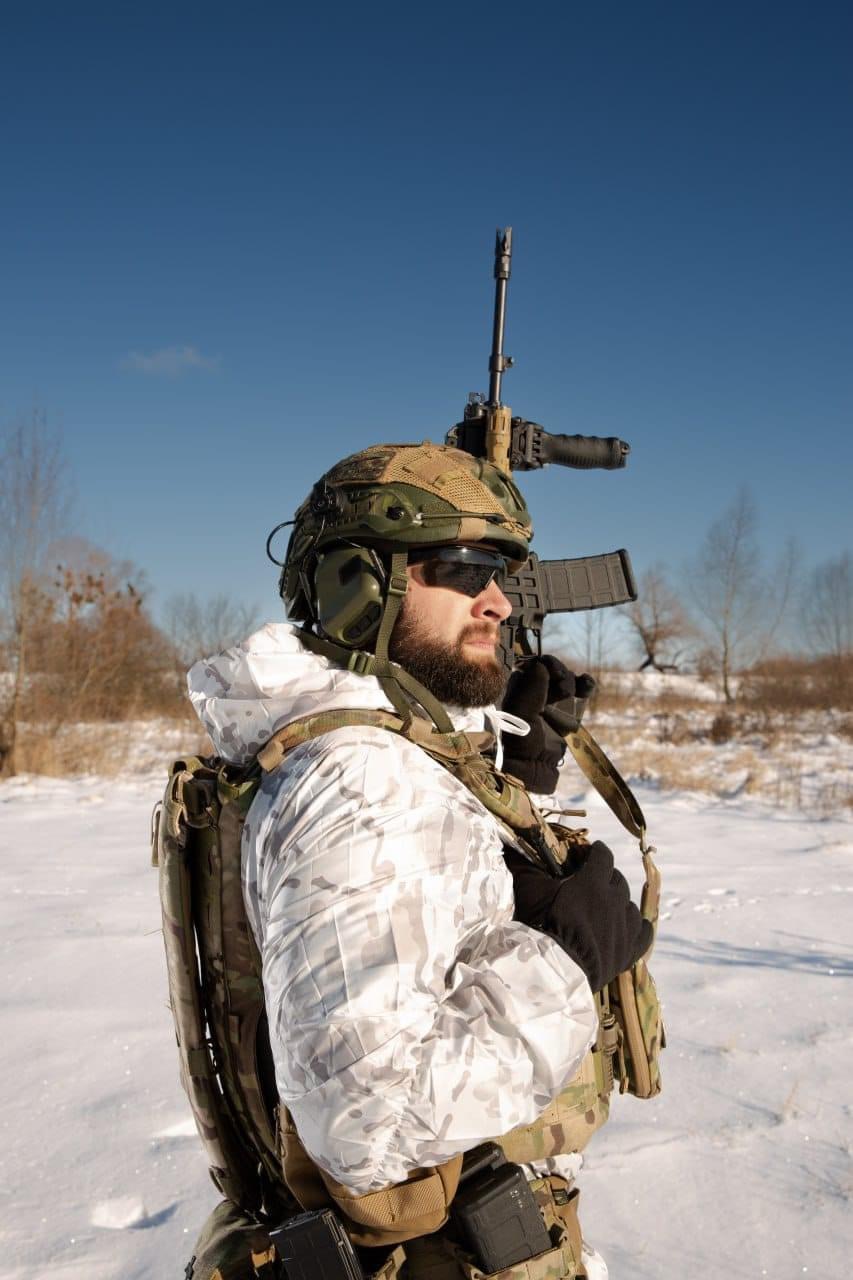
- How was the Kyiv region for you at the beginning of a full-scale war? On February 24, you spent half a day at work. What's next?
- In the afternoon, I received a call and was told where to pick up a weapon. Oddly enough, I got it from the police. In the evening, my friends had already arrived in Kyiv from Zakarpattia. Our first task was urgent - we rushed to the place of the cache on one of the highways and took the Stingers. We had the skills to use them, so we took up positions. We were sent to Boryspil airport. We were waiting for the second wave of helicopters, which were no longer there. As I understand it, after the Russians had already gotten it in the neck they decided not to fly to Boryspil. That's why there was no landing there. However, even if they had tried to do it, they would have been able to be shot down in flames, because there were great, trained and motivated guys, including those from Kord. A few hours later, when it became clear that the Russians were not going to land, we received the next task. And so it went on.
- Where were you after Kyiv?
- The next destination was Kharkiv. At first, we were officially recruited, because at first we were volunteer fighters. We were mobilized retroactively on 12 March. At that time, as a unit of the Defence Intelligence of Ukraine, we were already working in the Kharkiv region.
- Tell us about that period. As I understand it, was it before the counteroffensive?
- Yes, it was. Back then, there were still battles even on the outskirts of Kharkiv. We worked with the Kraken, the Presidential Regiment. We were engaged in more assault work. We went as a group to clear plantations, to lead the units behind us. We did a lot of reconnaissance. We scouted all the "wooden country" areas, probed the places. For example, one of the first operations we conducted involved three assault groups: us, the Presidential Regiment and Dozor, the border special forces. It's a pleasure to work with these guys. They are well-trained. They are motivated. You know that they are not those who were "forced to join the army". These are the guys who know where they are going and why, and they are fighting with all their strength. When such people are going to storm, they don't say: "Now we're all going to die!". On the contrary, they say, "It's going to be fun" (smiles. - O.M.). You go with them and realize that they will cover you and help you. We had a lot of wounded at that time. It was a normal war. Unfortunately, not every operation is successful for us. It happens that we are " blown" by drones on the way out and are attacked by artillery, and there is nothing you can do.
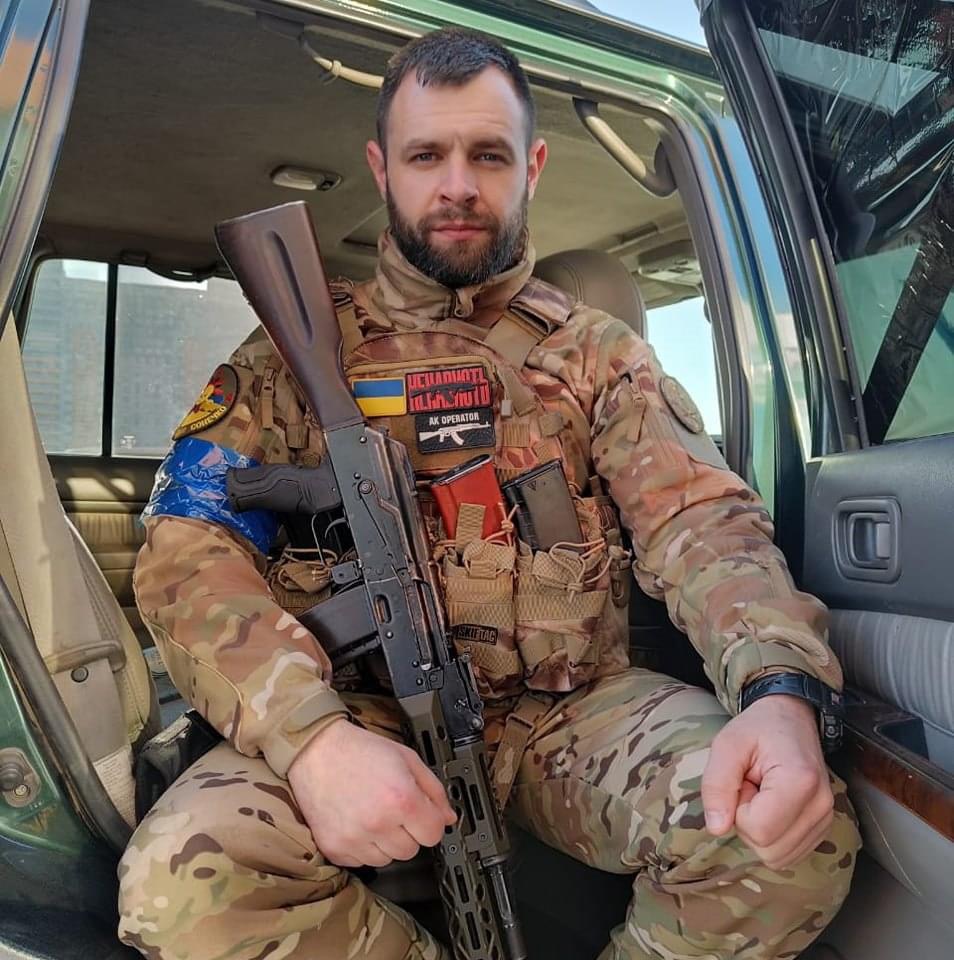
- Do you usually have time to prepare operations?
- Of course. We need to study the sector, get intelligence, and conduct additional reconnaissance. However, it was not like that in Avdiivka - everything had to be done just-in-time because the Russians were putting a lot of pressure, and we had to hold the corridor. It was vital for our military not to be under the enemy's fire control, to be able to get out and take the wounded out. It was such an intense job that required quick decisions to be made and implemented. We had no time to prepare. Five minutes ago, you received information and were already bringing it to your group, which was leaving.
- It's hard...
- Yes, it was hard. It was a week when we slept for two or three hours, sometimes in action. But there was an understanding of what you were doing and what the price of your mistake could be if you made it - too high. It was great that we worked with the 3rd Assault Brigade. They are just incredible guys! Professional and motivated. To the mortar men who helped our wounded, I bow and honor them. Apparently, the military leadership did the right thing by sending the 3rd Assault and Special Forces to the hottest area. We entered the sector a day apart. We started to interact and started working. Everyone there did their job with one hundred percent efficiency. It was at the limit of human capabilities.
- Did you have any losses there?
- Yes, two. Officially, they are missing in action. But in fact, they were killed. There was a direct hit to the dugout. The territory is now under the control of the enemy. We need to negotiate an exchange so that the faggots can dig them up and hand them over. They don't just exchange them. If they know that it is about the DIU, they want three of their soldiers alive for one dead. They do not always agree to cooperate. Because they don't even respect their own people. They probably have a whole brigade lying around in the fields. They treat their dead badly. And even more so to ours.
- It is difficult to negotiate with them after you see them shooting our captured soldiers without weapons...
- I talked to our medic who worked at the station. He told me that when they brought a captured Russian, the surgeon was already very tired, but he started operating and kept repeating to himself quietly: "Exchange fund, exchange fund."
- But the Russians are shooting even unwounded Ukrainian soldiers who can be exchanged!
- We are returning to the part of our conversation where we talk about the face of Russia. Not only the Russian army, because it is a reflection of the people. This is the attitude in Russia towards human life, both their own and others'. These are Russians. Of course, we would have found ways to replenish the exchange fund and bring our guys back. But, unfortunately, they won't even give up their bodies now...
So, as I said, two of our guys were killed in Avdiivka. There was also a large number of "300s". We had to sew the guys' ears back together because their eardrums were ruptured due to constant artillery shelling. They also had shrapnel wounds. Our sledgehammer is a rock! He himself walked a kilometer on a broken leg with a broken collarbone, gave the coordinates where he was lying, and mortar men from the 3rd Assault Brigade raced up and took him away.
- How did you react to the public discussion that there might be a cauldron in Avdiivka, that our men would be left there?
- If the guys had not been withdrawn, it would have happened. Our department worked in Horlivka until the New Year. Kyrylo Oleksiiovych (Budanov. - O.M.) gave the task to make a shake, to simulate an offensive, so that the Russians could bring their reserves back here and our men in Avdiivka could breathe a little easier. And here, the front has been there since 2015. Even though we faced concrete fortifications and dense mining, the leadership did everything to make the situation in Avdiivka easier for our troops.
- These concrete fortifications once again confirm that the Russians did not come here for a walk, but to capture Ukraine.
- Of course! They are not interested in cities with infrastructure. If they wanted the same coke plant, they wouldn't have shot at it. They want square meters of land and administrative lines on maps. That's it! They say they want Donetsk, Luhansk, Kharkiv regions and part of Odesa. This is the maximum plan. And they will push it through...
- Isn't the whole of Ukraine the maximum plan?
- They will not achieve this by military means in the near future. There will be heavy losses. But Russia is a country that knows how to wait and spend money on bribery. Therefore, politically and militarily, they may want the whole of Ukraine. But I think they are considering only the option that I have mentioned. Although, as you know, the appetite comes with eating. If, God forbid, at some point we collapse or something else, it will be difficult, of course... We all see how mobilization is going on here, and the level of desire to defend the country among some citizens, how men are fleeing across the Tisza. Now the army has conducted an audit and found eight thousand soldiers who were not at the front. There is an understanding that our military is not doing well, and a lot of things are based on the heroism and dedication of the soldiers. But if at some point something goes wrong, the Russians will have a military option - the whole of Ukraine.
- You wrote a post about this. I quote: "2024 can be considered the year of FPV drones. The topic is being discussed everywhere. But! Without infantry, tanks, and artillery, there will be no work either. And especially without infantry. Someone has to trample the ground. Therefore, there will be mobilization. Do not be under the illusion that drones will replace infantry assaults. They will only facilitate them. They will make them much easier. And we will continue to fight in the plantations. I recommend those who have not yet received a draft notice to mobilize themselves. This way you will at least have the opportunity to choose a unit and specialty. And this is already a lot".
- Even if our Western partners give us a million tanks, someone has to go, and they have to be covered by infantry. Even if they bring gun and mountings from all over the world, someone has to operate them. We need supplies, logistics, etc. That is, it is impossible to win this war without human resources. We will not make a million artificial intelligence robots that will fight for us. But there is an important nuance here: nothing will happen at all, not just without human resources, but without motivated human resources. Because even the existing mobilization stock has low motivation. We are talking about the lack of a patriotic component, financial incentives. Now we need to get people interested. For example, in Russia, loans are repaid, additional payments are made, and criminal cases are closed. I don't know why this is not the case in Ukraine, why we don't promise certain preferences. We should at least try to find this motivation. What if it works? We cannot, like Russia, cover the needs of prisoners. They have about 600 thousand of them, and we have much less...
- The government is currently discussing whether to send prisoners to the front.
- Should we send the color of the nation and save money on prisoners? And we will continue to keep them. But let's be honest: prisoners are people who once made a mistake. Not all of them are outright repeat offenders. There are those who have committed a minor crime. Among them, you can find those motivated to fight. Promise them a reduced sentence or pardon, and it will work. That is, we need to use absolutely everyone wherever we can. We also need to motivate women to make their husbands go. Yes, there are risks in war, but there is no other way. The guarantee that a family will receive 15 million hryvnias (which is a huge amount of money for Ukraine) in the event of a soldier's death is not motivating now. We need to look for something else. The state is very lame in the issue of recruiting.
- Many units recruit volunteer fighters on their own. Your battalion does as well. Do they come to you?
- Yes, they are. We register everyone. There are no people here who were "forced" by the military enlistment office and sent to us, and we are already dealing with them. Although I know how the process goes in their country. I come from a village in the Zakarpattia region. They have already taken away the last alcoholic there. And in the following situation: he was getting drunk, was in bugs, went to his wife to beat her, so she called the police. They took him away, held him until morning, and then sent him to the training ground. I understand that if someone like that got into my unit, it would be difficult. So on paper, they form a brigade for a thousand soldiers, and 30 percent of them will actually fight, at least because they will defend their lives to avoid being killed. And the rest will either create panic, blow themselves up or surrender. That's why I'm talking about motivation and the necessary propaganda. Russia is still far ahead of us in this regard.
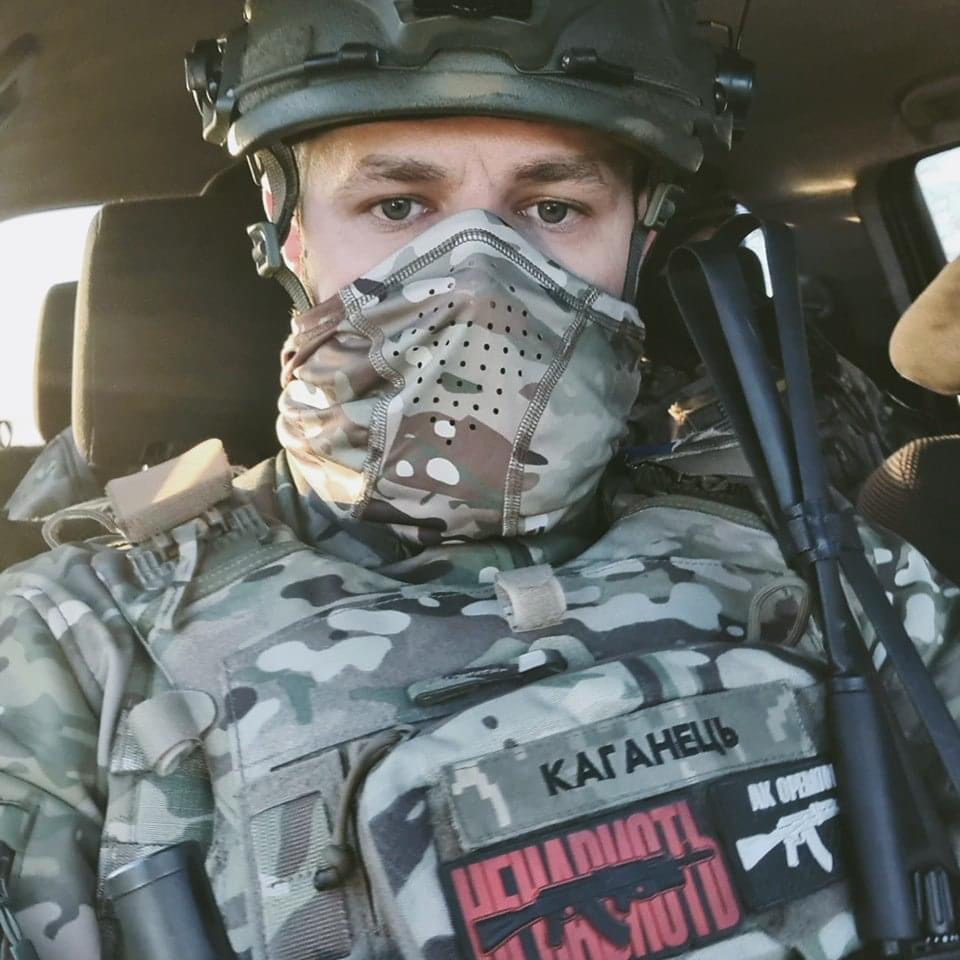
- Advertise Sonechko (Sunshine) so that people want to join you. After all, it is often the lack of information that holds people back.
- In fact, it is harder to get to us than to the Armed Forces. The specifics of mobilization in our case involve special checks: all information is checked, including family information, a polygraph is taken, and so on. Many are screened out by internal security based on various indicators. We also look at physical, moral and volitional qualities. You can even see the same approach to work by the way a soldier sweeps the floor while in uniform: superficially or thoroughly, and how timely he is. If you have the right qualities, you don't goldbrick, you do what you have to do. We also look at training at the training ground. Sometimes a young and motivated person has a sports injury, and we have to take that into account. Therefore, there is a general approach, but a number of components are also taken into account. That is, it is a bit difficult to join us, but it is possible.
- Does it happen that in a stressful situation, fighters show up unexpectedly?
- For the most part, everyone behaves predictably in a stressful situation because they are trained to do so. There are some deviations, but they are the exception. Anyone can panic at any time. But the general atmosphere remains the same even on the battlefield. We have our own rules. They say that there should be no irritant in the group. If there is a panicker or a person who talks too much, sooner or later he or she will find an ally. And this is a small contagion that spreads. If one person says before leaving: "We're going to leave and we're all going to die!", it will spread one by one. This is how it is in the army - two panickers start it: "We're being thrown for meat!". Guys, you are being assigned ordinary and normal army tasks. Yes, they involve risk. You can't always get a ride from a tank. It doesn't always happen like in American movies: after you call for help on the radio, an F-16 arrives (smiles - O.M.). Sometimes you have to assault head-on. There must be an understanding: this is your job, and you have to do it as well as possible. Many people do not understand. They say: "We need artillery to cover us all the time". But there are not that many shells. Plus, it's a lottery too! Look at the photo: the completely shelled field near the plantations is what didn't hit. They can hit 20-30 times, and there will be five good hits. Or they can hit three times and all of them will be successful. Why do such panickers appear? Because they were mobilized forcibly, so they have this attitude. Add to that the Russian Tik-Tok with psyop fake news, where they tell how the Ukrainian military was abandoned, and it starts: "I have the same situation!" Problems arise. Therefore, as I said, there should be no irritants in the group. Obviously, everyone has different moods. Two years of full-scale work means fatigue. Sometimes the guys come in depressed because not all tasks are successful. Everything has an impact. And there is another thing - sensitivity. I noticed that people really feel the approach of death. The call sign Kat, before the stationing where he died, came and said: "I have a bad feeling. Perhaps I should evade, should I?!" I answered: " There is work to be done. Go help the boys. I'll evade you." We laughed. It was such a joking conversation. There are always thousands of them. But later you realize that there are still internal reactions. But if every commander reacted to such phrases, we wouldn't go out at all. We would have been sitting in some bunker in Zakarpattia because it would have been anxiously.
- Indeed, the military has accumulated fatigue. This is a big problem. How do you motivate your soldiers? How do you keep them motivated to move forward?
- Of course, everyone gets tired. The army is a little slavery. But the specifics of our work mean that, unlike the Armed Forces, we do not hold one direction all the time. We are constantly deployed. We have time to rotate, recover and replenish. The guys can breathe out a little and take a break. This is where our work is much better. As it is now: we have been taken out, some are being treated, others are resting. We need to repair the vehicles again and so on. But the picture is changing.
And the army does have a big problem with rotation. It arises in connection with this mobilization situation. There are few people, no one to replace them. Again, we are running into motivation here. For those who are constantly fighting, their motivation is falling because they cannot rest. There are these eight thousand who did not fight. So change at least half of them - send those four thousand! We can't blame two or three generals for not doing this, because this problem goes from top to bottom: there is a chain of command in the army, and at some level the colonel was silent about the fact that a bridge guard company was sitting in Zakarpattia. These are healthy guys who have not been at war for two years. And here I have guys who were wounded. When you came in, you saw a guy with no arm at the entrance, who is on duty. He can also guard the bridge. So we can send those big guys to the front instead. However here we run into the fact that there will be legal nuances, such as changing the type of troops. The state has to figure out how to solve such issues. We need to work on this. And to voice such things. However, when you start paying attention to this, that's it: you are a traitor!
We were planning to rotate the TCRs (territorial center for recruitment), but we didn't actually do it either. There is a very small percentage of good ones. But they do exist. For example, the Velykyi Bereznyi TCR in Zakarpattia region should be able to provide 17 people per month from the district. But many are hiding, some have fled abroad. However, there is a very smart military commander there: he has made an advertisement and mobilizes those who for some reason cannot get into the army from other regions. He is a man with a good and modern approach. There are very few such TCR officers. How do they do it mostly? They catch twenty of them at the market and lets go. These are problems that no one wants to deal with. Because they need strong leaders who will take on a lot of negativity. You have to come in and fix the system by breaking it. Those who can do that are very much hated. And there are few of them. Most of them want to make a career, to get promoted...
- Some of the leaders of the TCRs also profit off the mobilization...
- And the doctors! The biggest scheme of evasion from mobilization, which no one wants to talk about, is the Military Medical Commission. When a person gets to the military recruitment centre, they take away his phone, and the only way he can avoid going to the front is at the commission: they find some kind of disease and send him for treatment. We need to talk about this too. It is the reason why guys are not replaced at the front line. I will repeat: there are a lot of problems, but we still do our job even under such conditions. However, we need media commanders who pay attention to such things. Yes, you start talking about the same corruption, which is actively picked up by the Russians and undermined, as I said, by Tik Tok. So we have to do everything carefully so that the enemy does not use this to destabilize the situation inside the country.
- You told me that you want to write a book about how many things the special services did at the beginning of the full-scale war to defend the capital...
- Let me explain: many people spread the idea that we were not prepared, that the Russians took us by surprise, and so on, without realizing that we were preparing as much as we could, given the political situation and the military situation in general. In particular, the special services. I told you at the beginning that we were taking away the cache with the Stingers. That is, there was a preparatory process. As well as in other areas. For example, the DIU has a secret budget item that allocates funds for certain operations. They spend it on the same bribery of the Russian military and officials. Do you want to get the real information about the number of people in the staff? Two people have it: the chief of staff and a medic, who is usually overlooked. Everyone is looking at the officers, but there is a woman sitting there who has the same troop list. They forget about her! But give her 500 dollars (good money for Russia), and she leaks the necessary document. The warrant officer knows exactly how many sets of uniforms they have bought. That is, you evaluate by human resources. In fact, the Ukrainian intelligence services are still working. I have this rosy dream that the DIU will someday become like the CIA in America. In American movies, we see that they sell drugs, and with this "black money" they buy rifles to make revolutions. So we know that a wonderful center of resistance or something like that can be created in Chechnya. In order to support the Chechen people who want to overthrow Kadyrov, you need weapons and money. Where can we get them from? We can't get it from the state budget. We need to find a cigarette counterfeit somewhere and use the money to buy assault rifles and send them to the Chechens. There is some truth in American movies. Everyone understands where America gets its money from. It's not from the budget. There are certain gray schemes that earn money, and the special services use it for the benefit of the state. I dream that Ukraine will be so cool that we will create a theme and send money to the Russian Volunteer Corps (RVC) or someone else so that they can make a move on our enemy and weaken their position in the rear.
- Do you admit that there will be some kind of confrontation within Russia?
- It is already happening! It's just that censorship works very well in Russia - they even imprison people for reposting. However, sometimes there is still information that a military recruitment office was set on fire or something else. But Russia will never release into the media scene what forces did it. However, operations are being carried out. There is a unit that does this in the deep rear.
- Are Russians capable of demanding an end to the war? Or refuse to serve? Knowing their psychology, it's hard to believe. You also noticed that they have motivation, albeit a mercantile one.
- Because their intelligence services, their military, have found a very good approach to motivate them to war. That's why the Russians will go. We laugh at how they stole toilets in Ukraine and mailed them home. But the clearest indicator was an inscription on the wall in an apartment in Bucha: "Who allowed you to live a beautiful life?" That is, everyone understands that the standards of living are different. Those Russians who have seen ours want to do the same. But they don't want to build the same thing for themselves, they want to take it away from us - to use the old Soviet method. Plus, we see that Russia is now very actively investing in propaganda for Europe. For example, Polish farmers. There are one or two traitors there, bribed by Russia, who shake the etch-a-sketch. And in the summer, there was an psyop video of the military allegedly stopping a Muslim woman and being rude to her. It was not intended for the Ukrainian audience, but for France and England, where there are many Muslims. It was translated into English, and a picture was formed for them that Ukrainians treat Muslims so badly. People like me, i.e. representatives of the special services, understand that this is not aimed at Russians or Ukrainians, because they would not believe it. And a European cannot distinguish between psyop and the truth. This is where we lose to the Russians. We need disinformation centers to make videos like this, which would show Russia in a bad light, and spread them to Europe...
- In the true light. We don't even need to invent anything. It is enough to show what they do.
- Yes. But there are no photos and videos of some of the things they do. As I mentioned in our conversation, the same torture chambers. They will need to be, let's say, reproduced and distributed. We need a unit that will show this to Europe and the entire civilized world. I'm telling you: we have many, many problems. We are just now getting to drones, and it is difficult. They are not a replacement for artillery, but they help us a lot, strengthening our groups. It is very difficult to get to some of these big ideas. Because they also need funding. Sometimes it comes down to "feeding the pigeons." After all, our projects often end up with the budget being "siphoned off" and nothing done. Unfortunately, we will stumble on this path more than once. But there is a great hope that it will somehow be cleared, in particular thanks to the information support of media commanders who can influence public opinion, who are its leaders in a particular region, that they will be able to highlight this issue and those who have to deal with it to correct mistakes. That's why we have Facebook because we try to improve certain things. Before the New Year, for example, I covered corruption in two ATCs ( amalgamated territorial communities) when they were laying paving slabs at a cemetery where people rarely go, but they hadn't bought a single drone for the front. You ask citizens questions: "Is everything okay there? Do you control who you have chosen?" This is not just to talk, but to show that we have a problem. Where did you spend one and a half million? On a cemetery path? Yes, of course, we need it. It is clear that we cannot turn our cities into pigsties. But there are priorities. It's like in everyday life: when you need to pay the utility bill and buy food for your home, you don't spend all your money at McDonald's. You have the essentials, and then the things you can live without for a month or two or more. If there hadn't been a walkway in that cemetery for another year, no one would have died. They arrive there already dead. But local officials in the third year of a full-scale war need to get money from somewhere, let's say (smiles. - O.M.). And my godfather doesn't have a company that makes drones. He has a construction company. That's why they make money on it. I have already said: make a line for the production of drones. Let them steal from them, and instead of 20, we will have at least 15 at the front. It's all good because so far we have zero!
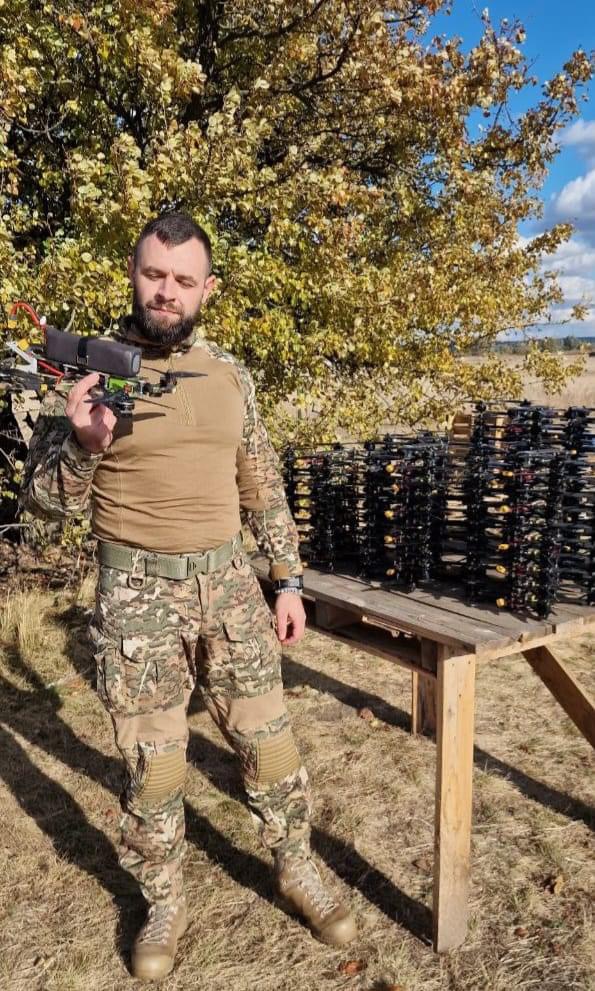
- Minister of Digital Transformation Fedorov called on Ukrainians to make drones at home...
- What has he done to ensure that these drones are made at home? I want to do this. So now I have to learn it myself? Okay, I took a course, I have a soldering iron. Send me spare parts. I will solder and send the finished drones to your warehouse. Make this production line! But you need to buy spare parts for that. Okay, we'll take it from the budget. However, we have already seen eggs for 17 hryvnias. We'll be buying spare parts for the drones three times as expensive. A lot of problems! Again, we need to talk about them frankly, raise them in public and solve them. We cannot keep silent about them. I understand that the enemy is already using any such issues to the maximum. But we can't just do our military work, shut up and put a pin in on society. We live in this country. So do our children. We plan to live here even after the victory. So we need to respond to such things right now. That is, we have to keep it up.
- Do people need to get more involved? Obviously, no front can survive without the rear.
- Of course! And our rear is now very much divided: between those who do nothing and those who try and support us. At least with reposts of the fundraisings. We are not saying that the army is completely without anything. We are just asking. We don't explain that the guys came out of the battle with helmets and plate carriers in pieces. We need to replace them. And all this stuff is expensive. We can buy a plate carrier for two thousand, but it will break in three days. Because the Turkish one is of such quality that it will suit those, as I call them, the uniformed evaders who guard the bridges in Zakarpattia. Because they don't go to combat, they don't crawl or run in them. Simple plates are enough for them to be on duty. We need better quality ones, which are more expensive. War is a very expensive thing in general. Your car breaks down, and it costs 60 thousand hryvnias to repair it. In such cases, even a person who reposts about the car fundraising does more than the official who did nothing and stole money from the budget. Another big problem is the tolerance of our people to such cases. We are not ashamed of such figures. But it should be like this: when such an official walks down the street, people should spit after him and say: "You stole! You didn't help the boys! Aren't you ashamed of yourself? You are building a walkway. You better help the guys. They need 30 drones in the hot area." That's half a million hryvnias. Is it expensive? Yes, it is. But where to get the drones? There are no drones in warehouses. They are soldered by volunteers, you buy them, and you build the logistics yourself. And you can't blame the army or the military for this. There are certain officials you can scold. But for the most part, what do you have to complain about? The army? Yes, it's the best in Ukraine! Because I am in it! Because of the guys! Will they fight without anything? Yes! If necessary, they will fight with sticks. But that doesn't mean we have to do that. That's why we have to find our own way out, invent something, look for sponsors. There is also a problem here that I have encountered in dealing with other departments, including the TDF (Territorial Defense Forces), which is the absence in the media area. No one knows them! And volunteers want to help the famous ones. "Azov, the DIU, the 93rd Brigade - it sounds good! Everyone wants to be, let's say, involved in their operations and victories. And there are others, less publicized. In some of them, the commanders even forbid taking volunteers. There are some where press officers do not work well. Although the military are doing a great job. For example, in Sumy they shot down a Russian helicopter. They are great soldiers! Make a news story about it, promote it! This is your job! You need to talk about it! This is our achievement, which we can brag about. But a non-media officer does a poor job, and no one knows about such an event. If so, they don't want to help them much. They rely on the help of family and friends. There are rules in society that you have to play by. For example, I also lost some great sponsors who offered to help me before the New Year, until Zelenskyy said there would be no elections. Then everything was gone (smiles. - O.M.). You learn all these subtleties and understand how it works: you have to ask here and promise there. And why? Because you want your guys to be well equipped, to go out in shoes that don't come apart, to have better plates. That's what we're constantly running into, and that's it! That's why the individual approach of commanders is important. The third Assault Brigade is a very good indicator of how the line is built. They have experience. Other units are just "getting hard knocks". But the quality of a combat mission depends on your forces and means. Do you have those radio stations? Or do you have drones? There are very few of them in the warehouses. And this is a consumable item. We need to think about solving such problems. Government officials should be doing this. Why don't they do it? They simply do not see the real situation. Because when they come and ask what and how? Commanders mostly answer "We're fine," even when they have problems. And they don't realize that if you don't discuss the problem with this person, they won't solve it for you. I saw this back in 2014. In Yasynuvata, we went on a reconnaissance mission. Two tanks of the 93rd Brigade were standing right on the hill. I asked: "Why don't you go up or down? The height is not held in the middle". The answer: "One tank broke down, and the turret of the other one does not turn." I said: "Why don't you report this to your superiors?" He replied: "Somehow, officer's honor does not allow me to". And the man said this in all seriousness, and he took it in stride! He knew what they would say: "We have enough problems without you!". Or they'll promise to do it and forget about it. But your official duty is to make sure that your soldiers have the strength and means.
That is, everyone has a great deal of responsibility. However, not all of them are able to pull off it and control the personnel. Often, our generals are detached from reality. In particular, because there are no those who really control, those officers who really report. This is communication. It is necessary not to be afraid to report as well as to receive information from the military. We are starting to hit these stumbling blocks here. And in Russia, it just works, because they have a strong-arm principle: to assign tasks to everyone. Everything is very harsh. We can't do that. Otherwise, we will turn into the same people. We should have voluntary communication. Unfortunately, it doesn't work.
P.S.: Dear friends, if you would like to support the Sonechko (Sunshine) Volunteer Reconnaissance Battalion, here is a link to the jar:
https://send.monobank.ua/jar/6DHGG5bCXW
Bank card number: 5375 4112 1429 8882
Olha Moskaliuk ,Censor.NET
Photo and video: Ruslan Kahanets' social media


