ENG




10970 visitors online
Russia's aggression with Shahed drones against Ukraine shows no sign of diminishing. Recent attacks have targeted critical infrastructure and civilians in various regions, including Kyiv and Vinnytsia. Ukraine's air defenses have successfully neutralized a considerable number of these UAVs, demonstrating resilience in the face of continuous Russian assaults. In addition, international allies like Belgium are stepping in, offering military support to boost Ukraine's defense capabilities. The threat of fast-moving Shahed drones, capable of speeds up to 500 km/h with Chinese components, presents ongoing challenges. Ukraine remains steadfast, actively developing countermeasures to neutralize these aerial threats efficiently.
What are the types of drones Russia is using in Ukraine?
Russia employs various types of drones, including Shahed strike UAVs, jet-powered drones, decoys like "Parody" drones, and S8000 "Banderol" drones, targeting both civilian and military infrastructure in Ukraine.
How is Ukraine responding to Russian drone attacks?
Ukraine is using air defense systems to neutralize Russian drones and has also begun developing indigenous interceptors to counteract Shahed drone threats effectively. They have demonstrated success in shooting down many drones using these methods.
What international assistance is Ukraine receiving to combat drones?
Countries like Belgium are providing military assistance, such as equipping Ukrainian F-16s with systems to tackle jet-powered Shahed drones. This international support plays a crucial role in enhancing Ukraine's defensive measures against ongoing UAV threats.
What is the impact of Shahed drones on infrastructure in Ukraine?
The impact has been significant, with several infrastructures, including railways, gas stations, and civilian buildings, being damaged or destroyed. This has caused disruptions and raised concerns about the safety of critical and civilian objectives.
How significant is the threat of jet-powered Shahed drones?
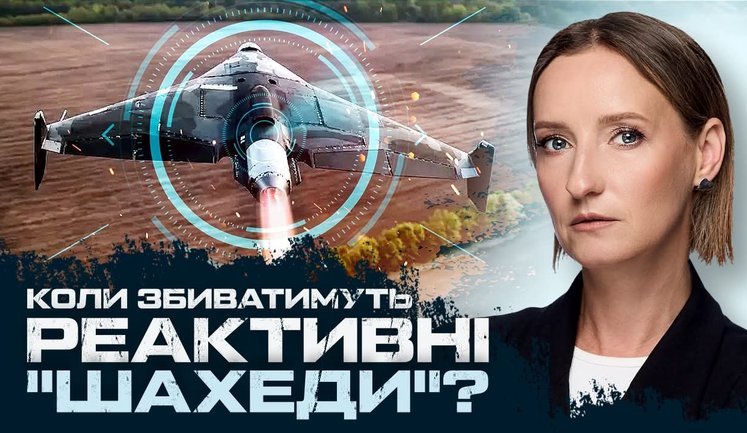
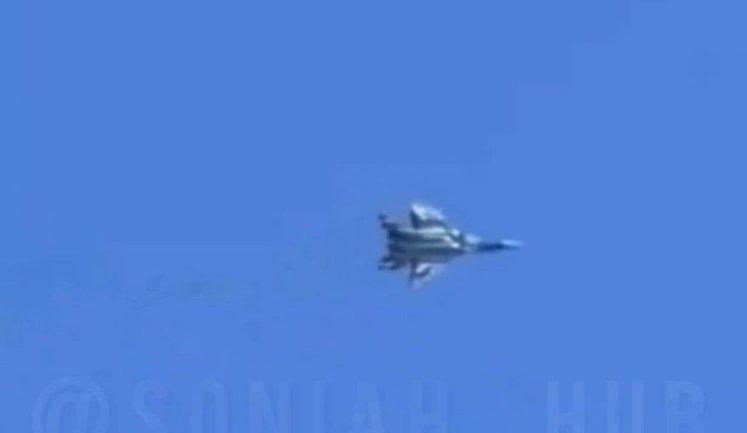
Jet-powered Shahed drones are particularly concerning due to their high speeds, reaching up to 500 km/h. This speed makes them harder to intercept and poses an increased threat to Ukrainian and potentially foreign infrastructure.
News Shahed
 On evening of September 24, Russia attacks Ukraine with attack and jet-powered UAVs – Air Force (updated) On the evening of Thursday, September 24, the Russian invaders continued to attack Ukraine with attack and jet-powered UAVs. Air raid alerts have been declared in several regions due to the threat of strikes. 2 807 2 Previously in trend: Attack of drones
 "To Moscow on missile." Will there be peace by winter? | Romaliiska. VIDEO Journalist Iryna Romaliiska recaps the main events of recent days in her new September 24 episode, including talks on an energy ceasefire. 2 634 7 Previously in trend: Establishment of energy truce
 Enemy is terrorizing Kyiv with drones: in Solomianskyi district, non-residential 9-story building and store were hit The enemy continues to attack Kyiv with drones. According to preliminary reports, a 9-story non-residential building in the Solomianskyi district was hit. 1 762 6 Previously in trend: UAV attack on Kyiv
 Russia attacks Kyiv with drones: two killed, 45 injured, two gas stations and warehouse damaged. VIDEO (updated) On the morning of September 23, 2026, Russian forces continued to attack Kyiv with drones. An air raid alert was issued in the capital. The all-clear was issued at 8:02 a.m. 7 339 12 Previously in trend: UAV attack on Kyiv
 Russian strike and jet-powered UAVs attack Ukraine on evening of September 22: Air-raid alerts declared in several regions (updated) On the evening of Tuesday, 22 September, Russian occupiers continued attacking Ukraine with strike and jet-powered UAVs. Air-raid alerts were declared in several regions due to the threat of strikes. 2 313 0 Previously in trend: Attack of drones
 Over 350,000 Russian drones have been destroyed since start of year, - Ministry of Defence. VIDEO Since the start of the year, the defence forces have destroyed over 350,000 Russian drones. All these strikes have been confirmed in DELTA. 603 5 Previously in trend: Result of the work of the air force
 Ukrainian STING FPV interceptor shot down modified Russian "Shahed-136" over Odesa region. VIDEO In the skies above the Odesa region, the Ukrainian military used a STING FPV interceptor to destroy a modified Russian ‘Shahed-136’ attack drone. 3 666 2 Previously in trend: Destruction of Russian drones
 Russian attack drones strike Ukraine on evening of 21 September: air raid alerts have been issued in number of regions (updated) On the evening of Monday, 21 September, Russian occupiers are continuing to attack Ukraine with strikes and rocket-propelled UAVs. Air raid alerts have been issued in a number of regions due to the threat of strikes. 3 327 0 Previously in trend: Attack of drones
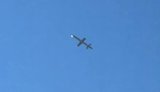 Nearly 1,900 jet-powered Shaheds in September: Air Force reveals new tactics and enemy UAV downing rate Russia has launched nearly 7,700 jet-powered Shahed-type drones against Ukraine. At the same time, their share of the total number of attacks has risen sharply in September. 2 363 8 Previously in trend: jet-powered Shahed
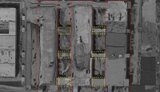 Russia is moving the production of "Shaheds" underground in Alabuga. PHOTO Underground production facilities are being built in the ‘Alabuga’ Special Economic Zone in Tatarstan, where Russia assembles Shahed-type drones. 5 068 38 Previously in trend: Shahed production in Russia
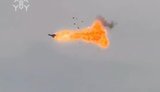 Pursuit and destruction of Russian "Shahed" over Odesa region: combat operations by "Omega Wings" fighters. VIDEO Drone operators from ‘Wings of Omega’ shot down an enemy ‘Shahed’ kamikaze drone during one of the Russian attacks on the Odesa region. 4 456 8 Previously in trend: Shooting down Shaheds Destruction of Russian drones
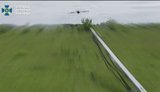 SSU has developed an interceptor drone to combat ’Shahed’ drones, – Zelenskyy. VIDEO President Volodymyr Zelenskyy announced that the military counter-intelligence unit of the Security Service of Ukraine has developed a new interceptor drone to counter ‘Shahed’ rockets. According to him, the drone has already been successfully deployed. 5 298 55 Previously in trend: Interceptor drones Drone industry
Russia continues to attack Ukraine with jet-powered and attack UAVs on the evening of 17 September: air raid alerts issued in several regions (updated) On the evening of 17 September, Russian forces continued to attack Ukraine with attack and jet-powered UAVs. 2 800 7 Previously in trend: Attack of drones
 Russia continues attacking Ukraine with jet-powered and attack drones on the evening of September 16: Air raid alerts issued in several regions (updated) On the evening of Wednesday, September 16, Russian forces continued attacking Ukraine with attack drones and jet-powered UAVs. Air raid alerts were issued in several regions due to the threat of strikes. 3 052 1 Previously in trend: Attack of drones
 Ukrainian pilot pursues Russian "Shahed" and films it being hit by air-to-air missile. VIDEO Video footage posted online shows a Ukrainian drone operator pursuing a Russian Shahed kamikaze drone. 5 705 35 Previously in trend: Shooting down Shaheds Destruction of Russian drones
 Russia continues attacking Ukraine with jet-powered and attack UAVs on evening of September 14: air-raid alerts declared in several regions (updated) On the evening of Sunday, September 14, Russian occupiers continued attacking Ukraine with attack and jet-powered UAVs. Air-raid alerts were declared in several regions due to the threat of strikes. 3 096 12 Previously in trend: Attack of drones
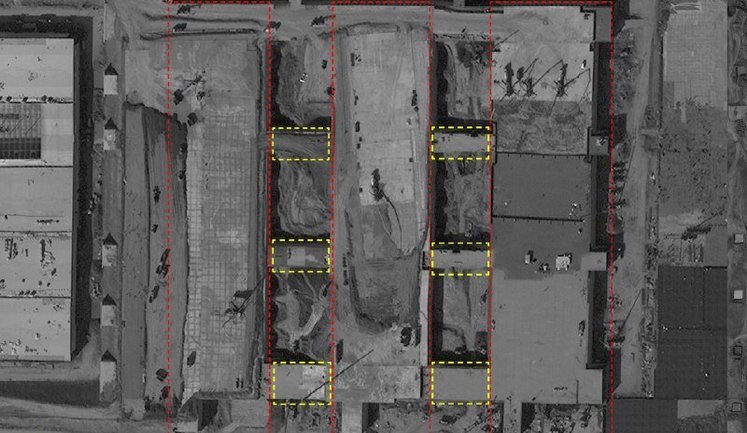
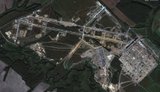 Russia creates new military base to launch jet-powered Geran drones at Ukraine – Telegraph Russia has built a new military base in the Oryol region in just a few months to launch jet-powered Geran drones at Ukraine. Satellite imagery indicates that the facility is located near the village of Tsymbulova and has already become one of the key elements of Russia’s strike campaign. 4 691 26 Previously in trend: Attack of drones jet-powered Shahed
 Border guards detected and destroyed 70 enemy ’Shahed’-type UAVs in skies over Ukraine. VIDEO A video has been published online showing footage of Ukrainian border guards in action as they continue to effectively defend Ukrainian airspace against enemy air attacks. 1 127 4 Previously in trend: Destruction of Russian drones
 Russia continues to attack Ukraine with jet-powered and attack UAVs: air raid alerts issued in several regions On the evening of Sunday, 13 September, Russian occupiers are continuing to attack Ukraine with strike and rocket-propelled UAVs. Air raid alerts have been issued in a number of regions due to the threat of strikes. 4 442 9 Previously in trend: Attack of drones
 Russia attacked Vinnytsia region: railway and civilian infrastructure hit (updated). PHOTO As a result of an enemy attack in the Vinnytsia region, a civilian infrastructure facility has been hit. 2 712 1 Previously in trend: Shelling of Vinnytsia region
 Enemy attacks gas station near "Yahodyn" border crossing with Poland; massive fire breaks out (updated). VIDEO It is likely that, during a large-scale drone attack on the western part of the country, the enemy struck a petrol station on the border with Poland near the ‘Yagodin’ border crossing. 11 824 26 Previously in trend: Shelling of Volyn
 409 out of 453 enemy UAVs and 4 "Banderol" drones have been neutralised, - Air Force On the night of 13 September 2026, Russian forces attacked Ukraine with 453 Shahed-type strike UAVs (including jet-powered ones), Gerber drones, ‘Parodiya’-type decoy drones, and S8000 ‘Banderole’ drones. 1 810 2 Previously in trend: Result of the work of the air force
Russia attacks Ukraine with strike drones on evening of September 10 – Air Force (updated) A Russian attack is ongoing on the evening of September 10. Air raid alerts have been declared in several Ukrainian oblasts due to the threat of strikes. 2 893 2 Previously in trend: Attack of drones
 Belgium will provide Ukraine with ammunition for F-16s to counter "Shahed" jet-powered drones Belgium plans to equip Ukrainian F16 fighter jets with systems to counter "Shahed" jet-powered drones by the end of 2026. 1 860 4 Previously in trend: shortage of missiles for air defence systems
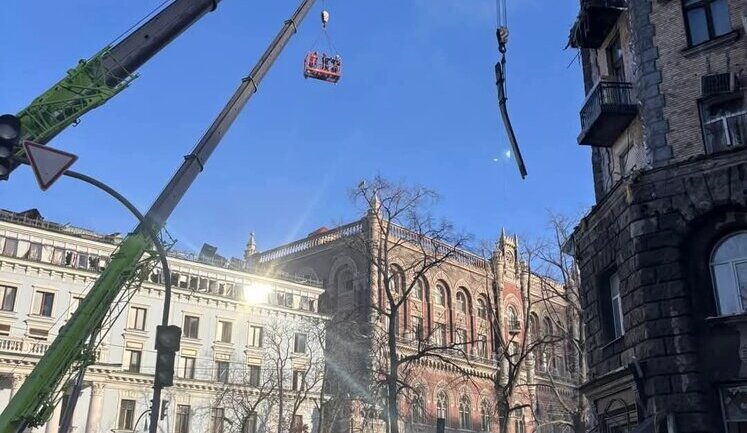
Enemy is attacking Kyiv and surrounding region: fire has broken out in the Darnytskyi district, and in Dniprovskyi district, drone crashed into high-rise building (updated) The enemy continues to terrorize peaceful settlements in the Kyiv region. Three civilian facilities were damaged as a result of an attack by enemy drones. 3 149 0
 Russian drones are attacking Kyiv region again: air defense systems are active, and there is threat to Boryspil Russian forces are currently launching drone attacks on the Kyiv region again. Air defense systems are active. 1 330 6
 Drone struck 24-story building in Kyiv’s Darnytskyi district: there are casualties, fire, and damage (updated). VIDEO&PHOTOS As a result of this morning’s drone attack by the Russian Federation on Kyiv, a high-rise building was hit. 7 877 16 Previously in trend: Shahed attack on Kyiv
Russia attacked Ukraine with ballistic missiles and 196 drones: 165 drones were neutralized, - Air Force On the night of September 9, 2026, Russian Federation troops launched an attack using ballistic missiles—Iskander-M from the temporarily occupied territory of the Autonomous Republic of Crimea, S8000 "Banderole" from the waters of the Sea of Azov, as well as 196 Shahed-type strike UAVs... 1 251 2 Previously in trend: Result of the work of the air force
 Soldiers from 77th Brigade destroyed jet ’Shahed’ drone in Kupiansk area with shot from ’Igla’ man-portable air defence system. VIDEO In the Kupiansk sector, a mobile fire group from the 77th Separate Airborne Brigade of the 7th Corps of the Airborne Forces destroyed an enemy jet drone with a shot from an ‘Igla’ man-portable air defence system. 4 825 9 Previously in trend: Shooting down Shaheds Destruction of Russian drones
 Drones attacked Kyiv overnight: fires broke out in two districts. PHOTOS On the night of 9 September, the enemy once again attacked Kyiv with strike drones. 5 156 5 Previously in trend: UAVs attack on Kyiv
Russia is attacking Ukraine with strike drones on evening of 8 September, - Air Force (updated) On the evening of 8 September, the Russian attack continues. Air raid alerts have been issued in a number of regions across Ukraine due to the threat of air strikes. 3 619 2 Previously in trend: Attack of drones
 Drone attack on Kyiv continues: warehouse in Holosiivskyi district hit again, two killed in Solomianskyi district (updated) The enemy continues to attack Kyiv with drones. There is new damage in the capital. 11 229 21 Previously in trend: Drone attack on Kyiv
 Russians struck building housing "We - Ukraine" TV channel with "Shahed" drone right in middle of live broadcast: 5 people were injured. VIDEO&PHOTOS A Russian attack drone struck the building housing the ‘We - Ukraine’ TV channel in broad daylight; the channel is taking part in the ‘United News’ telethon. 10 496 62 Previously in trend: Shahed attack on Kyiv
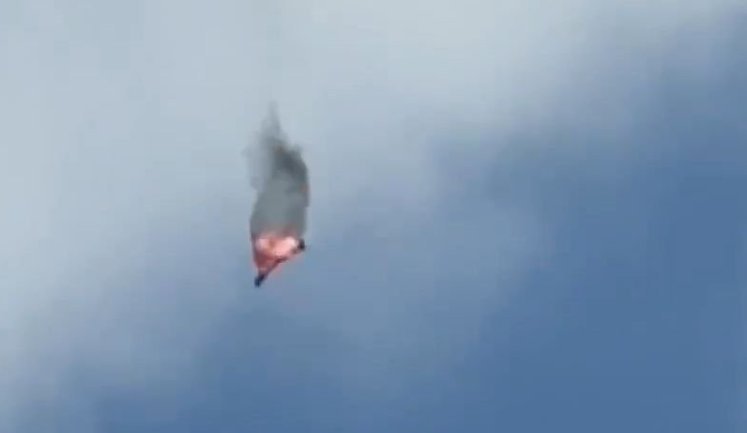
 Moment Defence Forces shoot down Russian Shahed in skies over Odesa region. VIDEO A video has been published online showing soldiers of the Defence Forces destroying a Russian Shahed in mid-air during an enemy attack on the Odesa region. 3 700 4 Previously in trend: UAV attack on Odesa Shooting down Shaheds
 Drone operators of 23rd "Khortytsia" Brigade shoot down jet-powered "Shahed" using STING interceptors. VIDEO Drone operators of the 23rd "Khortytsia" Brigade of the National Guard of Ukraine intercepted a Russian jet-powered "Shahed" during one of the enemy’s attacks. 2 622 3 Previously in trend: Shooting down Shaheds Destruction of Russian drones
 Russia prepares new strike tactics against Ukraine: Ivashchenko warns of threat to energy sector Russia may intensify strikes on Ukraine’s energy facilities in autumn and winter, simultaneously using ballistic and cruise missiles, jet-powered Shaheds and new loitering munitions. 2 750 22 Previously in trend: Shelling of Ukraine
Russia is attacking Ukraine with jet-powered UAVs on 6 September, - Air Force On the evening of 6 September, Russian drone attacks continued. Air raid alerts have been issued in a number of regions across Ukraine due to the threat of strikes. 4 419 12 Previously in trend: Attack of drones
 Romania declared alert over Russian drones and prepared to scramble Spanish F-18 fighter jets On the night of September 6, an air raid alert was issued in Romania as a group of drones approached the border with Ukraine. The Spanish Air Force was placed on standby to potentially intercept the targets. 1 109 4 Previously in trend: shot down of drones in Romania Romania raised fighter jets
82 out of 108 enemy UAVs and 6 "Banderols" were shot down - Air Force On the night of September 6, 2026, Russian forces attacked Ukraine with 108 Shahed strike UAVs (including jet-powered ones), Gerbera UAVs, "Parodiya" decoy drones, and S8000 "Banderol" drones. 1 038 3 Previously in trend: Result of the work of the air force
Russia has attacked Khmelnytskyi region with drones: seven people are reported to have been injured, one of whom is in serious condition; businesses have been damaged. PHOTOS (updated) On the afternoon of 5 September 2026, Russian forces attacked the Khmelnytskyi region with strike drones. 3 338 9 Previously in trend: Attack on Khmelnytskyi region
 Defenders of 208th Kherson Brigade destroyed at least 8 Russian ’Shahed’ jet drones in mid-air. VIDEO Soldiers from the 208th Kherson Anti-Aircraft Missile Brigade have released a video showing the destruction of Russian ‘Shahed’ attack drones. 2 297 5 Previously in trend: Shooting down Shaheds Destruction of Russian drones
 Ukraine cannot yet count on ’Shahed’ jet interceptors, - Ihnat Ukraine already has prototypes of jet drone interceptors, but the Ukrainian Armed Forces cannot yet fully rely on them. 9 616 45 Previously in trend: Interceptor drones
 Pilots from 125th Brigade used STING interceptor drone to intercept Russian UAV, "Prince Vichiy Oleg", at altitude of 3,600 metres. VIDEO Drone operators from the 125th Separate Heavy Mechanised Brigade intercepted and destroyed a Russian ‘Prince Vichiy Oleg’ reconnaissance UAV. 18 756 5 Previously in trend: Shooting down Shaheds Destruction of Russian drones Drone industry
Russia attacks Ukraine on evening of September 2: Air-raid alerts declared in several regions (updated) On the evening of September 2, Russia continues to attack Ukraine with strike and jet-powered drones. Air-raid alerts have been declared in several regions. 3 268 10 Previously in trend: Attack of drones
 Fighters of the 158th SMB destroyed a "Shahed" carrying FPVs on its wings, using the Ukrainian LITAVR interceptor, - F-Drones. VIDEO The crew of the "Staf" from the 158th Separate Mechanized Brigade destroyed an enemy "Shahed" carrying FPV drones on its wings, using the Ukrainian LITAVR drone. 3 838 0 Previously in trend: Destruction of Russian drones
 Russian ’shaheds’ struck university in Kyiv right in middle of lectures, – Zelenskyy. PHOTOS Today, Russian ‘shaheds’ struck one of the universities in Kyiv – right in the middle of lectures. 13 269 30 Previously in trend: Missile and drone attack on Kyiv
Drone attack on Kyiv: partial destruction of high-rise building and damage to medical facility, as well as fire near educational institution. There are seven wounded (updated) The enemy has once again attacked Kyiv with strike drones. 5 374 17 Previously in trend: Missile and drone attack on Kyiv
 Border guards from "Chimera" unit shot down "Shahed" jet at speed of 290 km/h. VIDEO Drone operators from the ‘Chimera’ unit of the 105th Border Guard Detachment shot down a ‘Shahed’-type jet-powered UAV over the Chernihiv region. 4 225 3 Previously in trend: Shooting down Shaheds Destruction of Russian drones
Page 1 of 34
more news