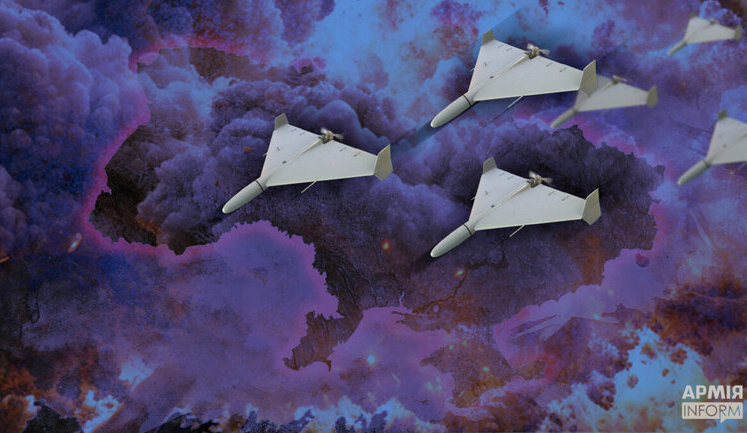
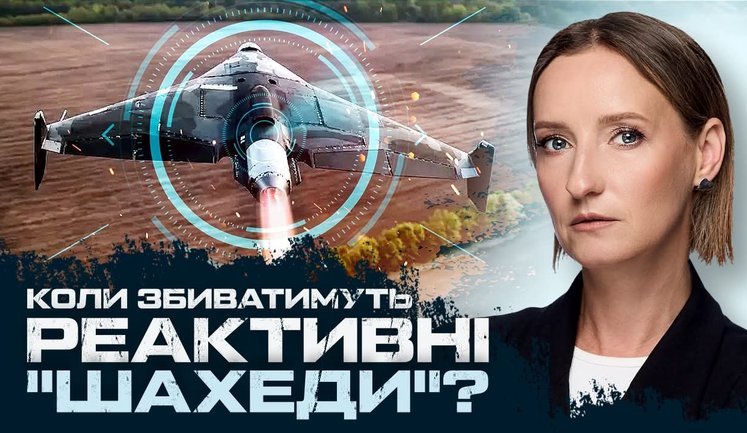
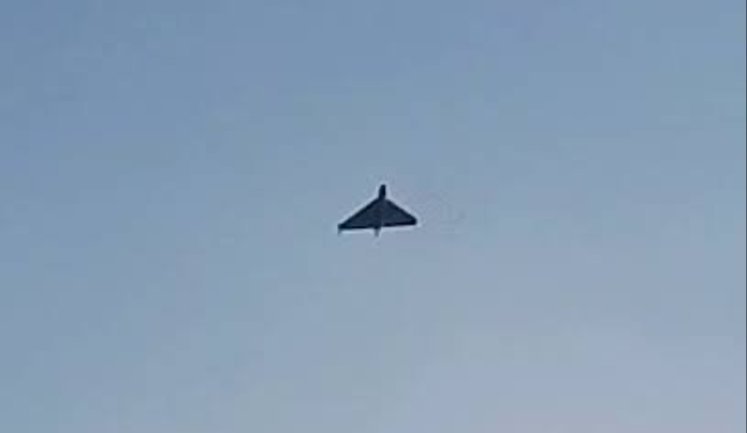
Russia's aggression with Shahed drones against Ukraine shows no sign of diminishing. Recent attacks have targeted critical infrastructure and civilians in various regions, including Kyiv and Vinnytsia. Ukraine's air defenses have successfully neutralized a considerable number of these UAVs, demonstrating resilience in the face of continuous Russian assaults. In addition, international allies like Belgium are stepping in, offering military support to boost Ukraine's defense capabilities. The threat of fast-moving Shahed drones, capable of speeds up to 500 km/h with Chinese components, presents ongoing challenges. Ukraine remains steadfast, actively developing countermeasures to neutralize these aerial threats efficiently.
What are the types of drones Russia is using in Ukraine?
Russia employs various types of drones, including Shahed strike UAVs, jet-powered drones, decoys like "Parody" drones, and S8000 "Banderol" drones, targeting both civilian and military infrastructure in Ukraine.
How is Ukraine responding to Russian drone attacks?
Ukraine is using air defense systems to neutralize Russian drones and has also begun developing indigenous interceptors to counteract Shahed drone threats effectively. They have demonstrated success in shooting down many drones using these methods.
What international assistance is Ukraine receiving to combat drones?
Countries like Belgium are providing military assistance, such as equipping Ukrainian F-16s with systems to tackle jet-powered Shahed drones. This international support plays a crucial role in enhancing Ukraine's defensive measures against ongoing UAV threats.
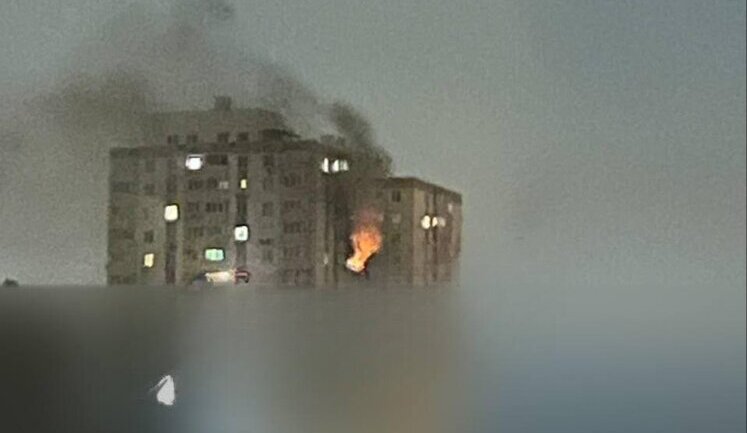
What is the impact of Shahed drones on infrastructure in Ukraine?
The impact has been significant, with several infrastructures, including railways, gas stations, and civilian buildings, being damaged or destroyed. This has caused disruptions and raised concerns about the safety of critical and civilian objectives.
How significant is the threat of jet-powered Shahed drones?
Jet-powered Shahed drones are particularly concerning due to their high speeds, reaching up to 500 km/h. This speed makes them harder to intercept and poses an increased threat to Ukrainian and potentially foreign infrastructure.