



Between Finance Ministry’s Scylla and General Staff’s Charybdis: what awaits new defense minister
Mykhailo Fedorov has long dreamed of becoming defense minister and remains one step away from fulfilling that dream, despite Tuesday’s failed vote.
At the same time, the fact that the ministry may be led by an innovator-minister is not, in itself, a recipe for success.
The Ministry of Defense is the largest in Ukraine, with subordinate military units; it involves more than 11,000 people, and that is precisely why it is the most complex. For that reason, the minister’s unilateral will is not enough there. He will have to operate within the constraints set by the Finance Ministry and the General Staff, leaving not all that much room to maneuver. And it will certainly not be the Ministry of Digital Transformation that Fedorov built around himself.
So let us try to understand what challenges lie ahead for the minister.
Digitalization
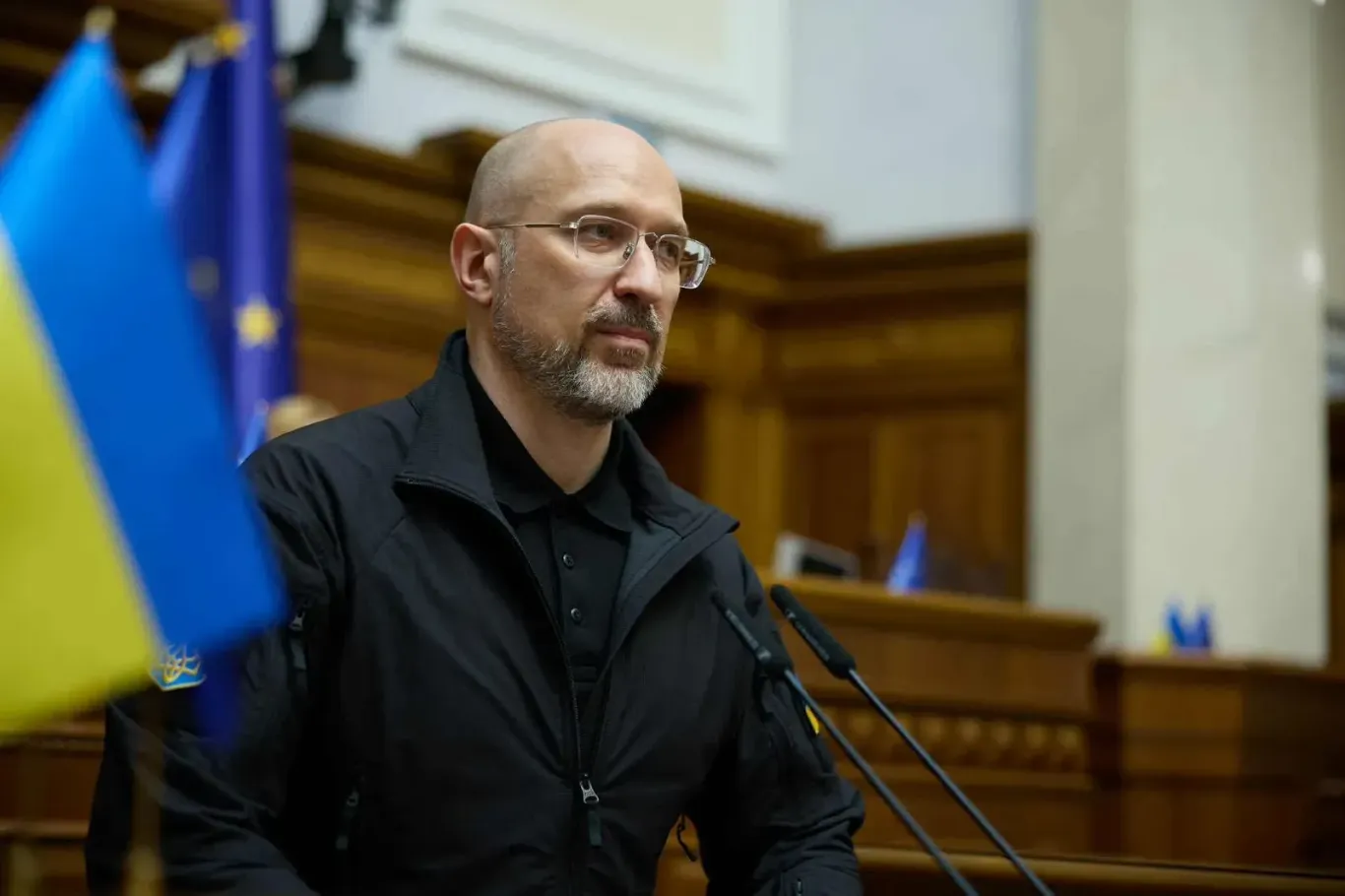
The digitalization of processes at the Ministry of Defense developed fairly well under Denys Shmyhal’s leadership.
Against the backdrop of Reserve+, launched with difficulty in May 2024, 2025 saw progress made on many other products.
A key success here was the launch of DOT-chain Defence, an electronic marketplace that helped military units significantly simplify and speed up the procurement of drones: 225,000 strike assets worth more than 10 billion hryvnias in total were received by military units through the DOT-Chain marketplace. Next year, all military units, as well as National Guard brigades, are expected to gain access to this option.
The SAP-based logistics management system compliant with NATO standards has also finally been put into operation. "More than 1,000 units are working in the system. Supply has accelerated from weeks to days," the Defense Ministry says.
In addition, the "Impulse" personnel accounting system has started operating, with more than 200 military units already working with up-to-date data without paper logs.
Development of Ukraine’s arms market
As is well known, Zelenskyy tasked Fedorov with increasing the scale of Ukraine’s drone production so that Ukraine can maintain a technological edge over the enemy.
The issue, however, is that this market is already developing rapidly, in part thanks to Fedorov’s initiatives and changes to regulations. What the market lacks is funding to scale up, which is why the issue of exports is now so acute.
According to Defense Ministry data, Ukraine’s defense industry has in recent years grown from $1 billion to $35 billion.
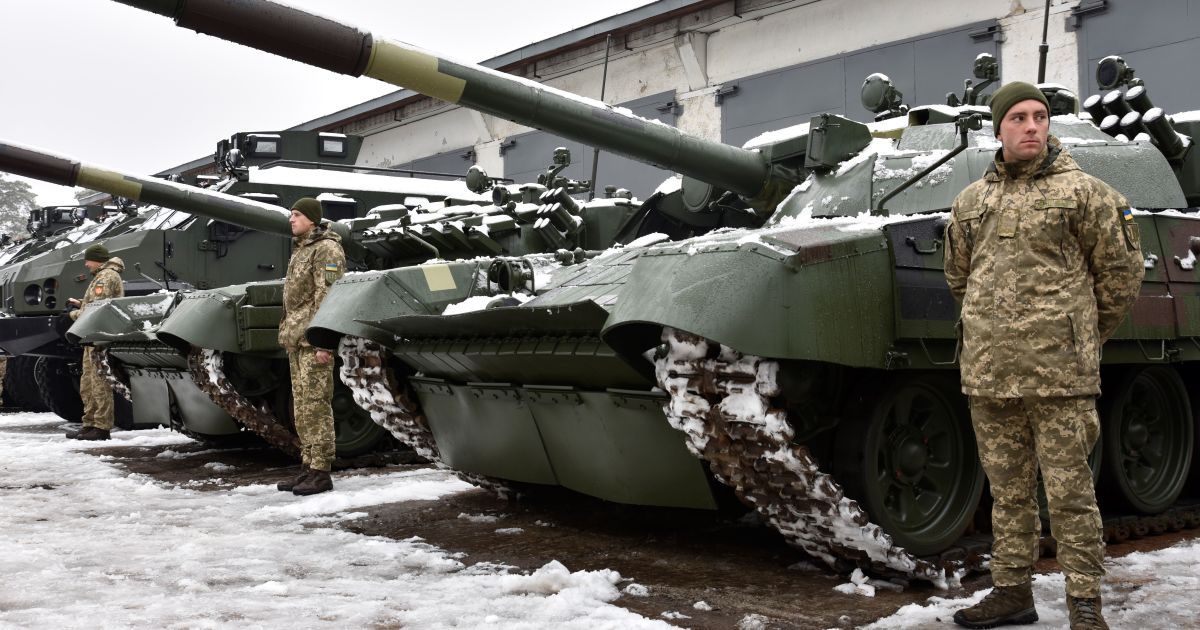
By the end of 2025, the enterprises of Ukrainian Defense Industry JSC alone increased the output of weapons and military equipment by 1.5 times compared to the previous year, from 122 billion to more than 180 billion hryvnias.
According to Denys Shmyhal’s public report, the state centrally procures 76% of its weapons from Ukrainian manufacturers, whereas in 2024 this figure was only 46%.
These percentages were disclosed for the first time, as the Defense Procurement Agency had classified even this information.
According to the same report, more than 2.2 million drones of various types have been delivered to the military over the past six months.
Of these, nearly 1.8 million were FPV drones, more than 352,000 were fiber-optic drones, about 23,000 were Deepsrike, around 53,400 were reconnaissance drones, as well as 21,400 were electronic warfare systems.
Overall, in 2025, the Ministry of Defense approved for use more than 1,300 new domestically produced weapons and military equipment models. That is a quarter more than last year, the ministry said.
In addition, in 2025, Ukraine secured $45 billion from partners for procurement, which is 30% more than in 2024.
Along with the post, Denys Shmyhal received a "dowry" in the form of enterprises from the dissolved Ministry for Strategic Industries.
All of this had to be managed, while also untangling the ministry’s corruption-tainted legacy. For instance, the state enterprise "Bezpeka," through which, among other things, the Pavlohrad Chemical Plant was financed and there are many questions about how the funds were spent.
There is room for improvement in how these enterprises are managed.
However, last year, with the dissolution of the Ministry for Strategic Industries and the arrest of Leonid Shymon, the practice ended of signing contracts for volumes that enterprises could not deliver, a practice that led to the scandal over the delivery of more than 20,000 faulty mines to the front. This does not mean they began delivering everything on time, but there is a whole range of reasons.
The end of the three-ministries war
Few people know that Resolution No. 1275, which governs procurement during the full-scale invasion, has been amended more than 60 times over the past four years. The same applies to other regulations.
This is primarily because the Defense Ministry, the Ministry for Strategic Industries, and the Ministry of Digital Transformation at times had different views on how certain rules should be applied.
Each of them submitted its own amendments; they were coordinated for months, and at times something outright absurd was adopted that brought procurement to a halt (as in the case of Resolution No. 1450). It then had to be rolled back.
In addition, the now-dissolved Ministry for Strategic Industries promoted the interests of its enterprises, while the Ministry of Digital Transformation and the Ministry of Defense competed over drone procurement. On the Defense Ministry side, this was handled by the Defense Procurement Agency (DPA) and military units, while on the Digital Transformation side, it was handled by the State Service of Special Communications.
There was no division of procurement categories, nor any joint work on pricing. As a result, NABU materials showed that the State Service of Special Communications had significantly marked up prices for drones.
Now, with the Ministry for Strategic Industries gone and the Defense Ministry and the Ministry of Digital Transformation set to be in Fedorov’s shared orbit, there is reason to hope that at least the paperwork war will be over.
But this does not mean there will be no other wars — lobbying and corruption wars
The war over drones
The minister’s main task from the president is to ramp up the production of unmanned systems.
But there are two caveats: this requires money. Second, drones are still procured by a specific name
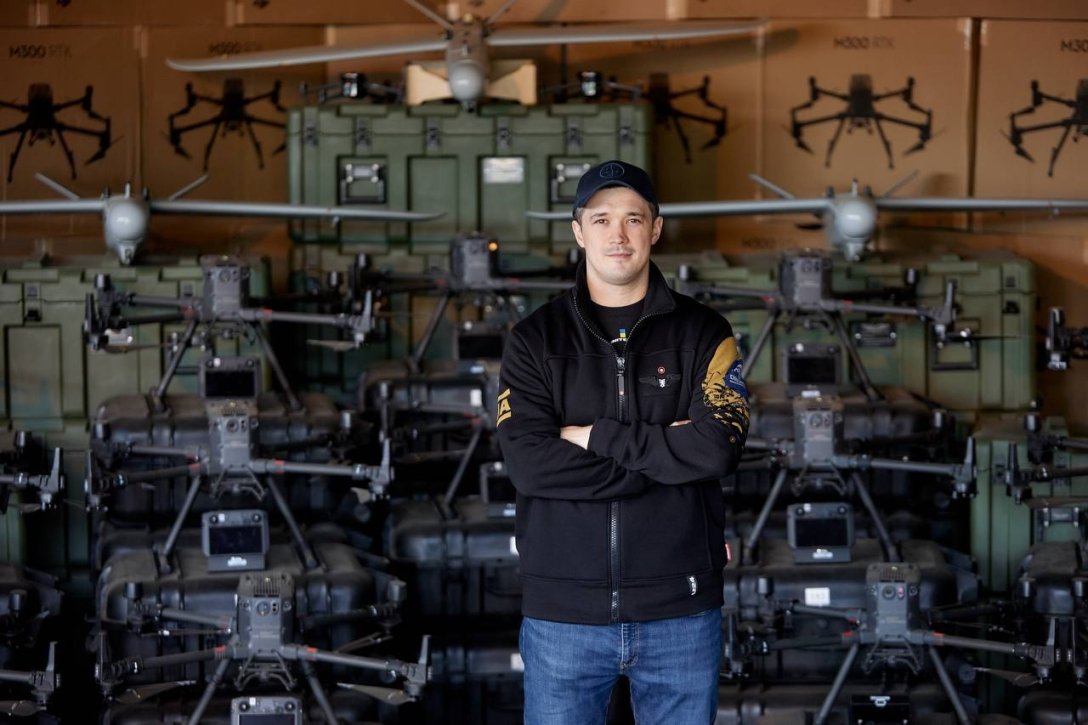
And this is where the defense minister will not be able to do anything on his own, without the General Staff and the Finance Ministry.
Ukraine’s procurement system for unmanned aerial vehicles was deliberately designed to be as simplified and flexible as possible (and was even designated an experimental project under Resolution No. 256). This made it possible to scale up drone supplies to the front in a short period of time; however, it also embedded a number of systemic corruption risks that today are no longer situational but structural in nature.
For example, the latest major study by the National Agency on Corruption Prevention (NACP) lists 19 items.
One of the key risks is a non-transparent and overly discretionary mechanism for codifying UAVs within the Defense Ministry system. The current procedure allows products to be codified not only on the basis of full-fledged departmental tests, but also on the basis of the manufacturer’s own documentation or through a simplified procedure "for a specific need."
In practice, this creates a possibility for procurement access for products whose characteristics are confirmed not by an independent review, but by paperwork from an interested party. Another risk area is created by the right to change or refine technical requirements for UAV types, opening room to "tailor" standards to a specific supplier.
A separate corruption risk is linked to the procedure for conducting and formalizing the results of departmental tests. Obtaining the relevant certificates largely depends on officials’ decisions, granting them excessive discretionary powers over manufacturers’ de facto access to the market. In the absence of clearly unified and public criteria, this creates conditions for selectively "fast-tracking" or, conversely, blocking particular products.
An additional source of risk is the procurement model itself, built largely on direct contracts without full-fledged competitive bidding.
But the biggest risk is that all drones and electronic warfare systems are entered into the requirement and the list by name, and therefore only the specific drone requested by the General Staff, and in the quantity it specifies, can be purchased.
And if Fedorov does not find the keys to solving this puzzle, he will, sooner or later, end up in an avalanche of corruption scandals.
Personnel
In theory, the minister has the authority to dismiss the Commander-in-Chief. And as recently as a week ago, lawmakers were even considering that Syrskyi would be replaced alongside Fedorov’s arrival.
But at a meeting with journalists, the president stated clearly that the Commander-in-Chief will not be replaced now.
Accordingly, the minister will have to learn to work with a very strong institutional player and at times an opponent of the ministry, namely the General Staff and, in particular, the Logistics Forces Command, as they have significant influence over procurement.
It will be interesting to see how this will affect Fedorov’s deputies.
For now, the ministry already has two deputy ministers associated with Fedorov, Oksana Ferchuk and Yurii Myronenko.

Mykola Shevtsov, having come from the Logistics Forces Command, is seen as Syrskyi’s man.
It will be very interesting to see what becomes of First Deputy Defense Minister Ivan Havryliuk. At one point, Defense Minister Umerov dismissed him following complaints from appointees whom the general called "boys with pipes" and "idlers."
Havryliuk is considered the initiator of contracting weapons through the Polish intermediary company Leckhmar, when, at the end of 2024, the DPA had billions in unused funds left. That transfer of money took place with the support of Prime Minister Denys Shmyhal. Shmyhal then made Havryliuk the first deputy minister. But in general, Shmyhal did not bring many of his own people into the Defense Ministry, aside from Havryliuk himself and Kutsovol.
And it is interesting whether people who were previously brought into the Defense Ministry from the Office of the President will leave their posts under Fedorov
And about scandals and corruption
No matter how hard Fedorov tries to digitalize everything, he will not be able to fully eliminate the human factor and with it, corruption. From relatives placed in far-flung corners of departments to the games suppliers and certain food supply officers who play with food supplies in military units.
At the end of last year, the State Operator for Non-Lethal Acquisition announced tenders for food supplies for the entire year. Already at this point, there are supply problems, including in the Vinnytsia region. This story deserves a separate article, but overall, there are questions about how Arsen Zhumadilov’s subordinates assess companies’ capacity to meet their obligations and how payments are made to them.
Since some of the tenders announced by the State Operator for Non-Lethal Acquisition at the end of the year did not take place, the agency is clearly facing a new round of conflicts with the light industry sector.
As a reminder, in the summer of 2025, the State Operator for Non-Lethal Acquisition spent two months unable to reach common ground with representatives of the light industry due to the indicative price of goods, which manufacturers viewed as being understated in favor of importers, causing a significant portion of procurement to collapse. The conflict was resolved only after public outcry and the intervention of the Defense Ministry’s Public Anti-Corruption Council.
The DPA, as the State Operator for Non-Lethal Acquisition’s successor, can currently apply qualification criteria for admitting bidders at its discretion, effectively creating a corruption risk of manually "tuning" the pool of potential participants. This, too, could generate scandals.
Another challenge is approving technical specifications and the procedure for checking reference samples of goods. The Ministry of Defense has been unable to approve this procedure for the third month already. As a result, new participants may face difficulties obtaining certificates of conformity, without which they cannot be admitted to tenders.
It is also unclear what principles will be used to complete the staffing of the new agency’s supervisory board and whether this will happen by the end of January, as promised.
A persistent shortfall of funds in the state budget could lead to delays in paying servicemen their monetary allowances.
So it is hardly worth viewing Fedorov as a Harry Potter who will fix everything at the Defense Ministry with a magic wand.
As one lawmaker joked, the best option would really be to crossbreed Fedorov and Shmyhal into a single person, but science has not gotten there yet.
Tetiana Nikolaienko, Censor.NET


