



Saved: Why Ukrainian army was left without warmers in bitter cold
On Thursday, journalist Yulia Kirienko wrote about the problem with warmers on the front lines and the resulting increase in frostbite among soldiers.
"We already had poor-quality mines. Delays in the delivery of other ammunition to the front. Scandals with the purchase of food for the army. Now - the unexpected: a shortage of chemical hand warmers, which has had irreversible consequences for the soldiers," the journalist said indignantly.
There really are no warmers, but there is frostbite, although fortunately not in large numbers. At least, that's what the military says. On social media, you will increasingly see posts from volunteers looking for warmers for yesterday. And complaints about long waiting times.
So let's figure out what happened.
For 2025, the "State Logistics Operator," which no longer exists, contracted for 600,000 warmers. Although the Logistics Forces Command requested 1.1 million.
The first 300,000 were purchased at the end of 2024. At that time, the tender was won by MIK. This is Oleh Mitrokhin's company, one of the largest suppliers to the Ministry of Defence. The company received a contract for 9.4 million, where the price of one warmer was 26.25 hryvnias.
But this is less than a third of the requirement. The next batch SLO put up for auction only in September, with lots worth 3.6 and 7.2 million. The auction was won by the company "Private Logistics Operator" LLC, with a significant price reduction.
No, this is not a joke. Although it reads like trolling.
The company was only established in 2024. And it does not supply its own product, but that of "Imex-Max".
The Youcontrol system shows that the company is only a supplier to the State Logistics Operator.
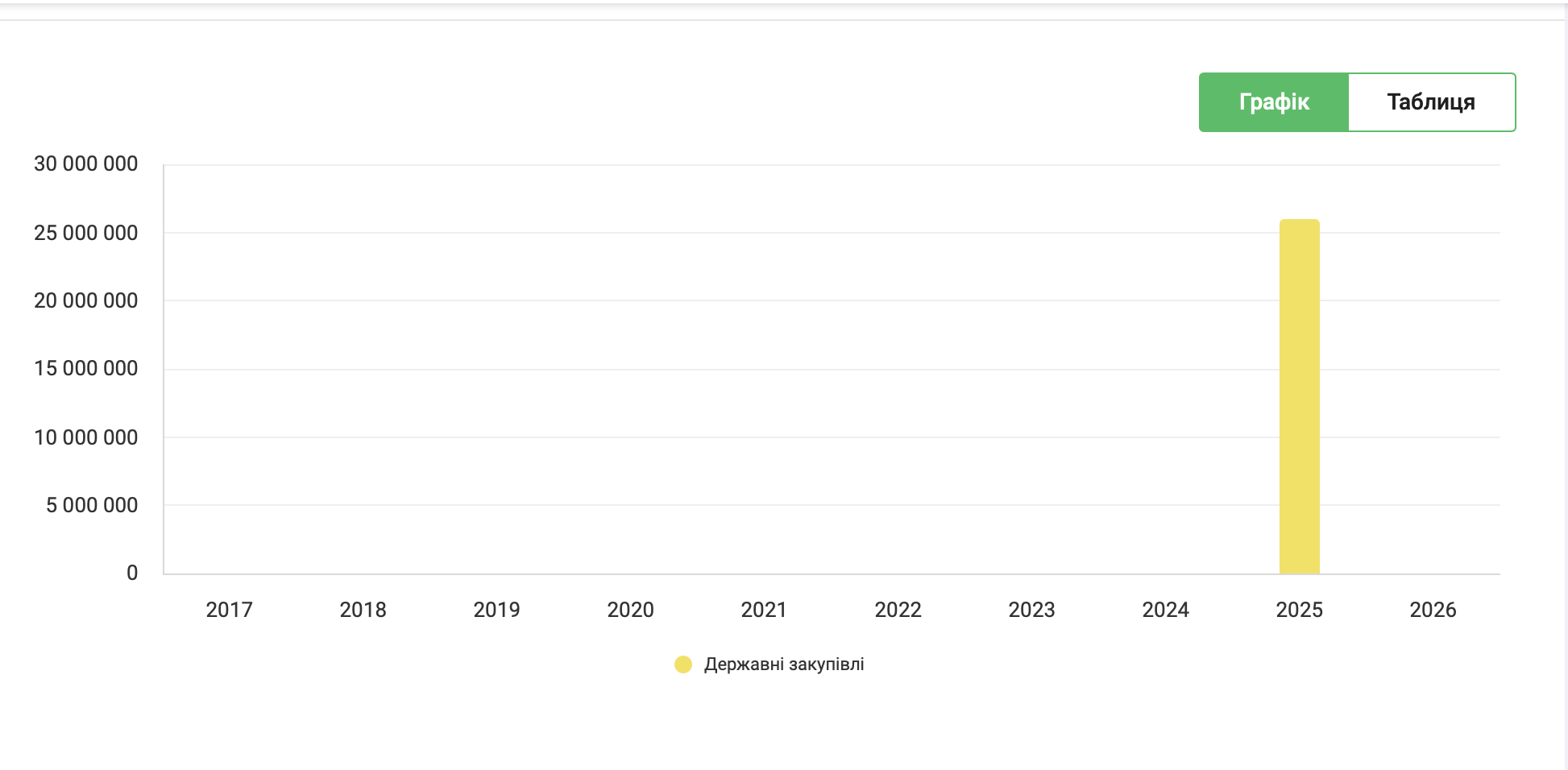
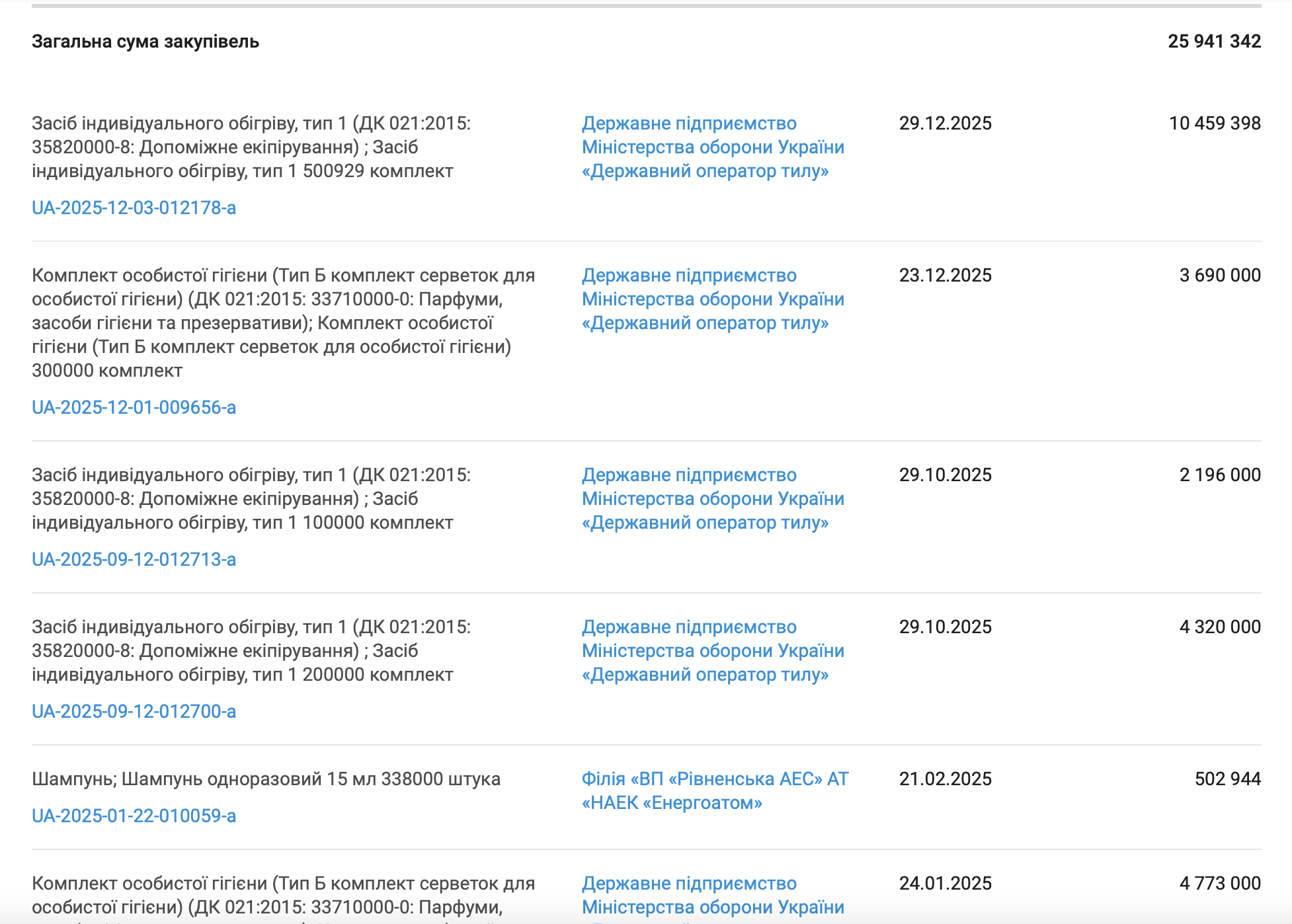
Screenshot from the Youcontrol website
If you open the tender documentation, you can see that the company confirmed its experience in performing similar contracts by performing a contract with an individual entrepreneur.

Instead, the company submitted documents that "Imex-Max" received from the Ministry of Defence as proof of product compliance.
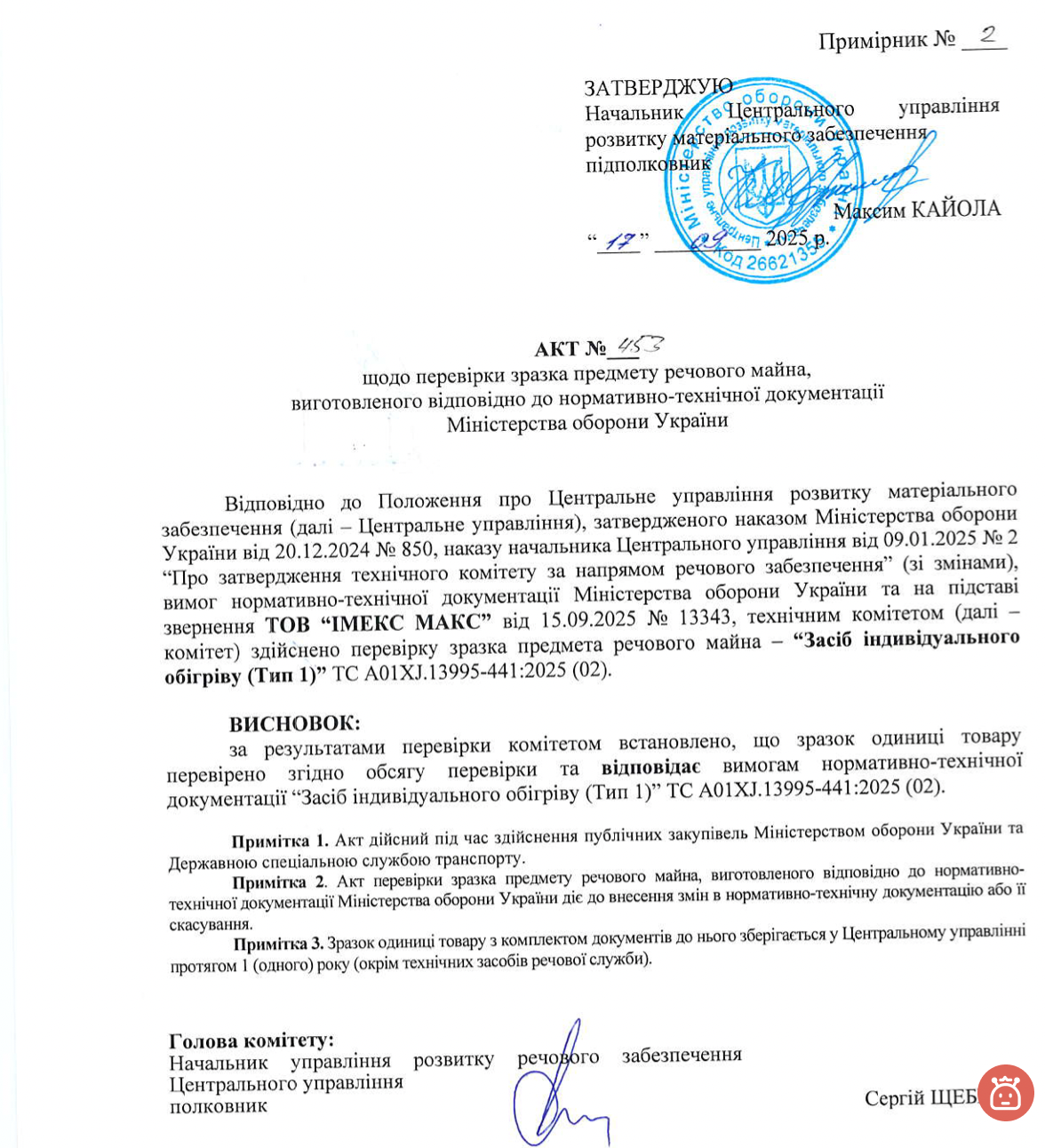
It was "Imex-Max" that supplied the Ministry of Defence with warmers in early 2024. At that time, each set was included in the contract at a price of 37.45 per unit (excluding VAT). The total contract was worth 8.9 million, and the tender price was more than halved from the initial 23 million.
At that time, the SLO reported that it had contracted a Ukrainian manufacturer for the first time to supply personal heating devices (chemical warmers) to the Armed Forces of Ukraine. "Previously, only Chinese-made warmers were purchased, which, in particular, were twice as expensive," the press release said.
But since 2024, "Imex-Max," also known as the owner of the "Mamo" trademark, has no longer participated in the Ministry of Defence's tenders. Instead, a "Private Logistics Operator" appeared there.
And, as it turned out, this was only the beginning.
To capture the market, "Private Logistics Operator" lowered the price of a set of warmers to 18 hryvnias (excluding VAT) in 2025. The first lot won with a price of 2.2 million and the second - with 4.32 million.
Formally, SLO saved 4.2 million at the auction.
The warmers were to be delivered by 10 December. But out of 300,000, only 24,000 arrived.
The company complains about problems with electricity and signing the contract a month late, and promises to deliver another batch next week. But even if it is accepted, it will only be a third of the contracted amount.
"We are seeing discussions online about the supply of chemical warmers to the front. The supplier is indeed delaying current deliveries: according to one of the contracts, 300,000 chemical warmers were to be shipped by 10 December 2025.
However, this does not mean that there are no warmers — there was a stock of 50,000 sets of chemical warmers purchased in previous periods in the KSL warehouses. Also, before the winter season, SLO supplied 300,000 sets of chemical warmers. At the same time, SLO contracted for 200,000 electric warmers, which were also delivered before the start of the winter period. In October, another 300,000 sets of chemical warmers were contracted — these are the ones that are late," the DPA made a reassuring statement.
"Despite the fact that this year's winter is abnormal, which has affected consumption levels, delays in any deliveries to the Armed Forces are unacceptable. That is why the supplier has been fined 1.1 million hryvnias. Regarding the delivery dates for the delayed batch: 24,000 warmers have already replenished the KSL warehouses, and another 76,000 will be delivered early next week. The remaining 200,000 will be delivered in February 2026," the statement said.
But from the military's point of view, the situation looks completely different.
For two weeks, the Logistics Forces Command travelled along the front line and transferred any remaining warmers to where they were needed. But if there is a demand for a million warmers and only 350 are available at the beginning of winter, then the reserves are exhausted.
Moreover, 500,000 of the required amount were not contracted at all.
The worst thing is that there are currently no available quantities on the market. And they cannot be contracted now due to urgent demand.
But that's not all. At the end of November, SLO announced a tender for new batches - 500,000 sets for 2026.
When DOT sets the indicative price, it is based on the last price at its auction. And this is the price of "Private Logistic Operator" LLC. Therefore, no one participated in the tender in November, and in December, instead of four companies as in previous times, only "Private Logistic Operator" participated. It reduced the price of one warmer to 17.4 and the total contract to 10.4 million.
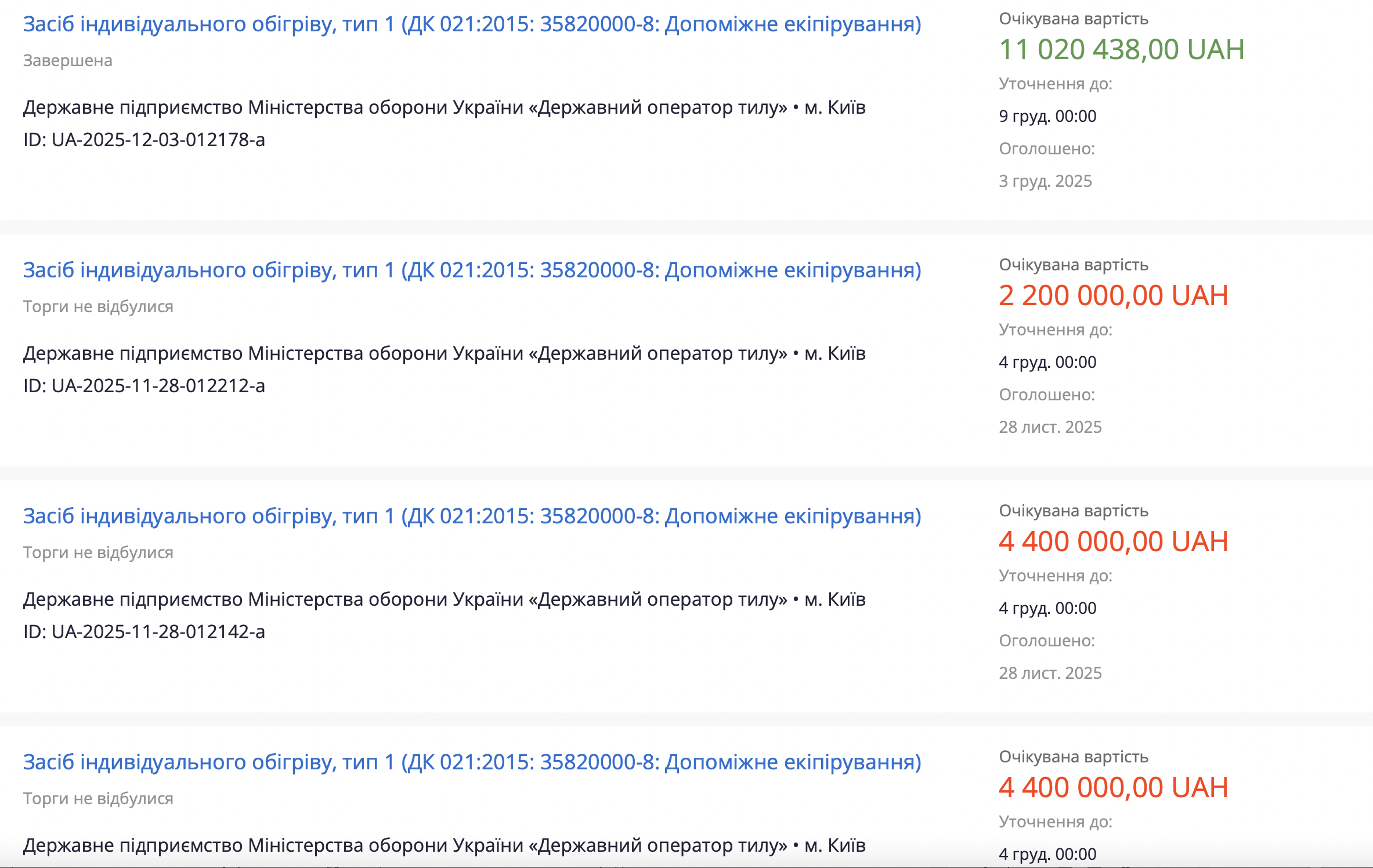
Formally, everything is fine. The company develops Ukrainian products and sells its products through large chains. SLO contracted at the lowest price, saving millions.
It seems like a win-win situation. But the soldiers are left without warmers. A new contract with the company was signed on 26 January. At that point, it was well known that the company had failed to deliver on previous orders.
The DPA told journalist Kyrienko that they had imposed penalties of 1.1 million.
Interestingly, the penalties for non-performance were imposed on 28 January, when the military had already raised a fuss. And the Department of Military Counterintelligence of the Security Service of Ukraine, went to the plant.
This raises several challenging questions for DPA: Is saving money the agency's only strategy? How can it diversify risks when making purchases? Is simply signing a contract enough to be considered contract work?
Tetiana Nikolaienko, Censor.NET


