



Shortage of artillery on battlefield of drones
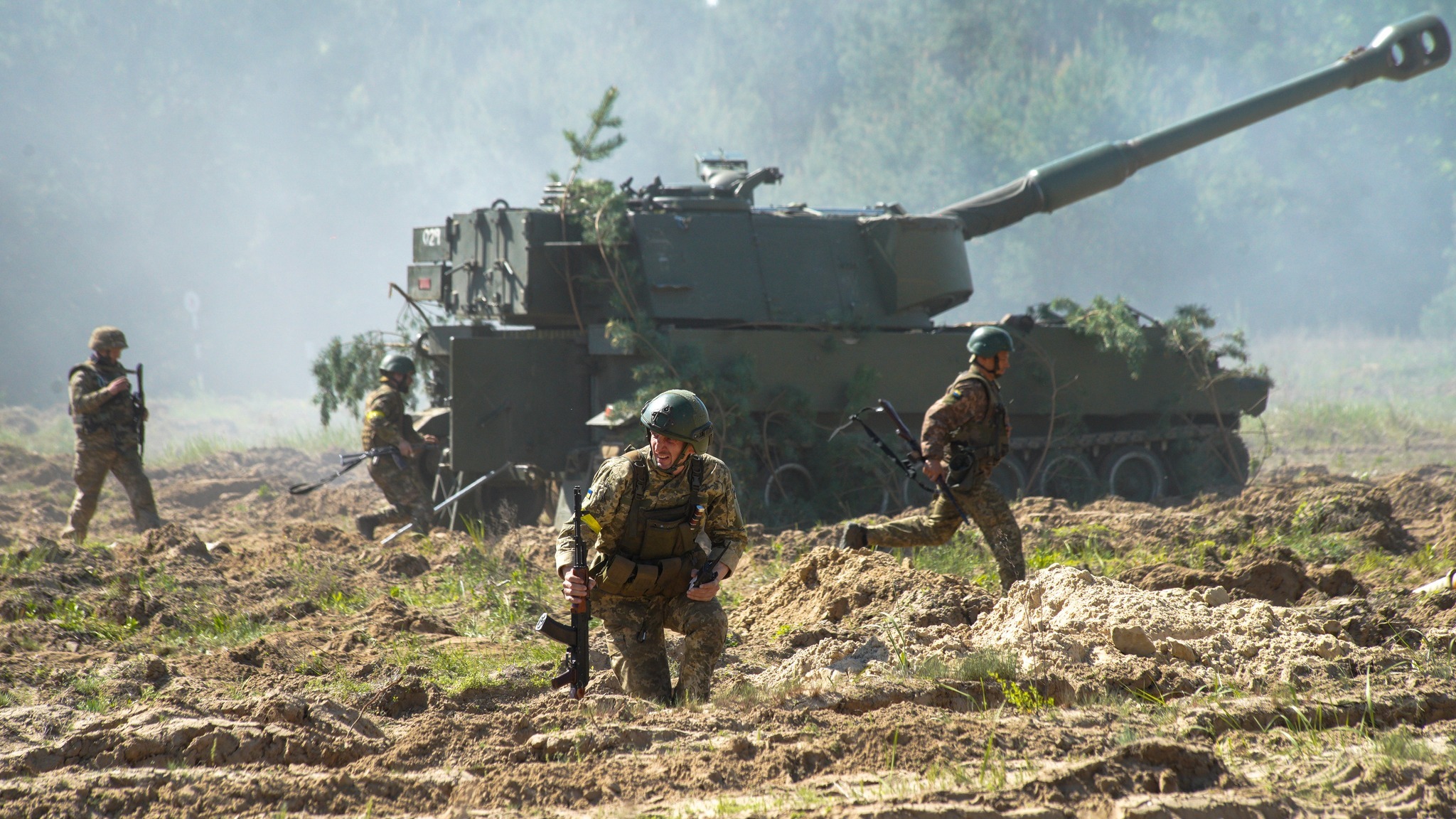
In forested terrain, it is only possible to suppress and destroy fortified infantry positions and UAVs through combined firepower, where drones follow immediately behind artillery shells, thereby suppressing enemy gunners and destroying the infrastructure of enemy positions.
Effective suppression of enemy formations is only possible if fire support is sustained, so as to prevent the enemy from rebuilding their infrastructure and manoeuvring both along supply routes and within their defensive positions.
Artillery sets the speed and tempo of destruction, which exceed the speed and tempo of position recovery.
And this is where organisational problems arise in some sectors. When our artillery begins to fire, the enemy starts patrolling our defensive areas with drones. Under these conditions, the artillery does not fire when it should, but only very rarely, when no drones are heard nearby.
Consequently, there is talk in some quarters that artillery has lost its significance, that there is no need to buy new guns and shells, whilst in reality, on the front line, there is a shortage of both guns and shells in certain sectors.
The solutions are obvious, nothing new:
1. Anti-drone defences for artillery and UAV positions must be strengthened. This requires dedicated teams of interceptor drones, radars and acoustic systems for monitoring the air situation, the necessary number of gunner positions, and a warning and traffic control system.
2. Dedicated teams of diggers are required to ensure the continuous construction of new positions and the repair of damaged ones, as well as the constant creation of decoys and mock-ups.
3. Deployment of a sufficient number of guns to conduct counter-battery fire and manoeuvre with fire.
The problem is that the defence of artillery and UAV positions against drones has now become a distinct form of combat and requires separate planning and the allocation of significant forces to defend deeply echeloned battle formations and supply routes. And if this is done, our losses will actually decrease, whilst the enemy’s losses will increase.
Artillery must be returned to the battlefield; without it, control of the combat zone is insufficient.
Yurii Butusov, Censor.NET


