



Deputy battalion commander of "Skelia" regiment, Hero of Ukraine Andrii Kiianenko (Marik): "I haven’t suffered losses people are talking about"
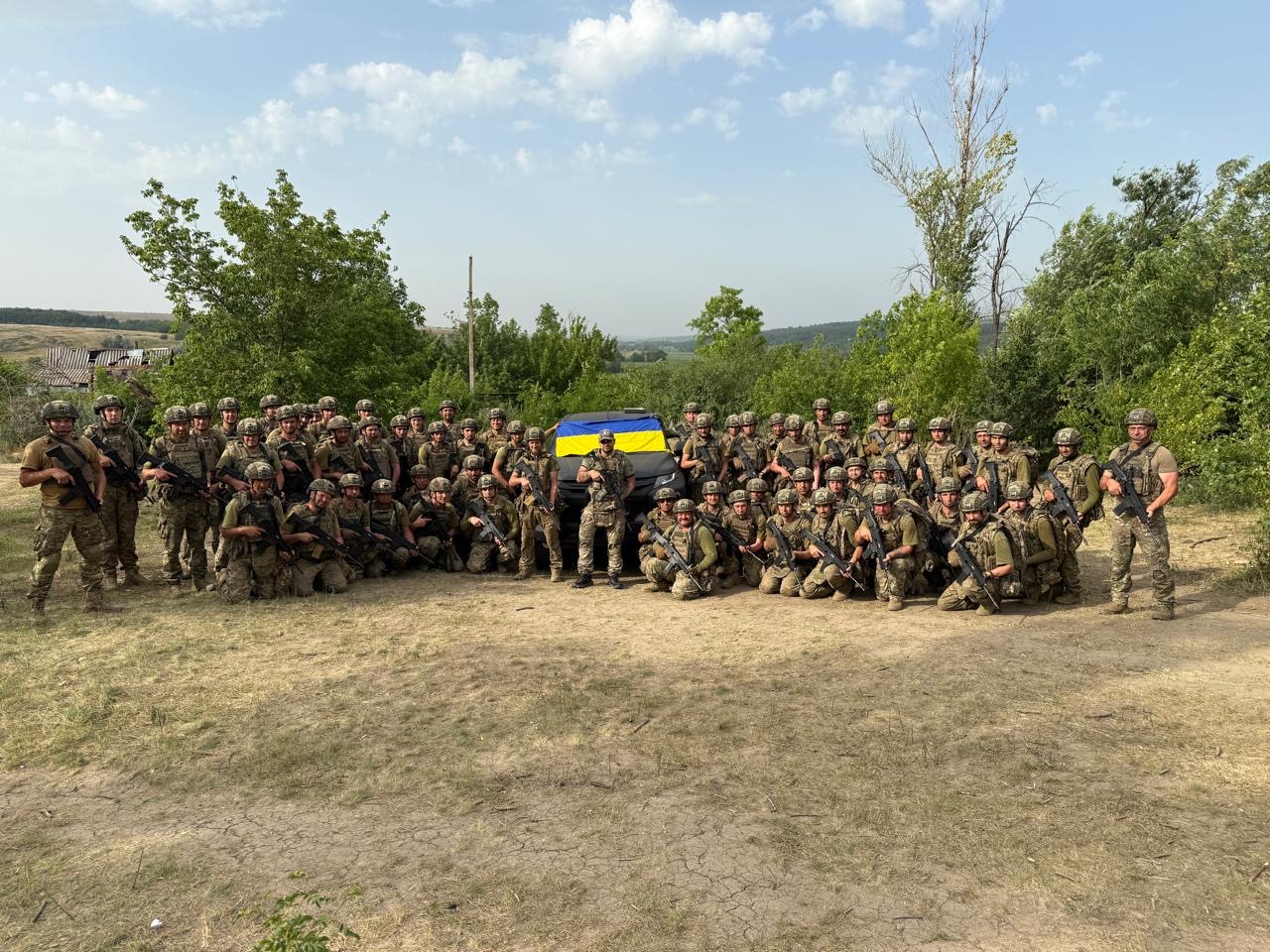
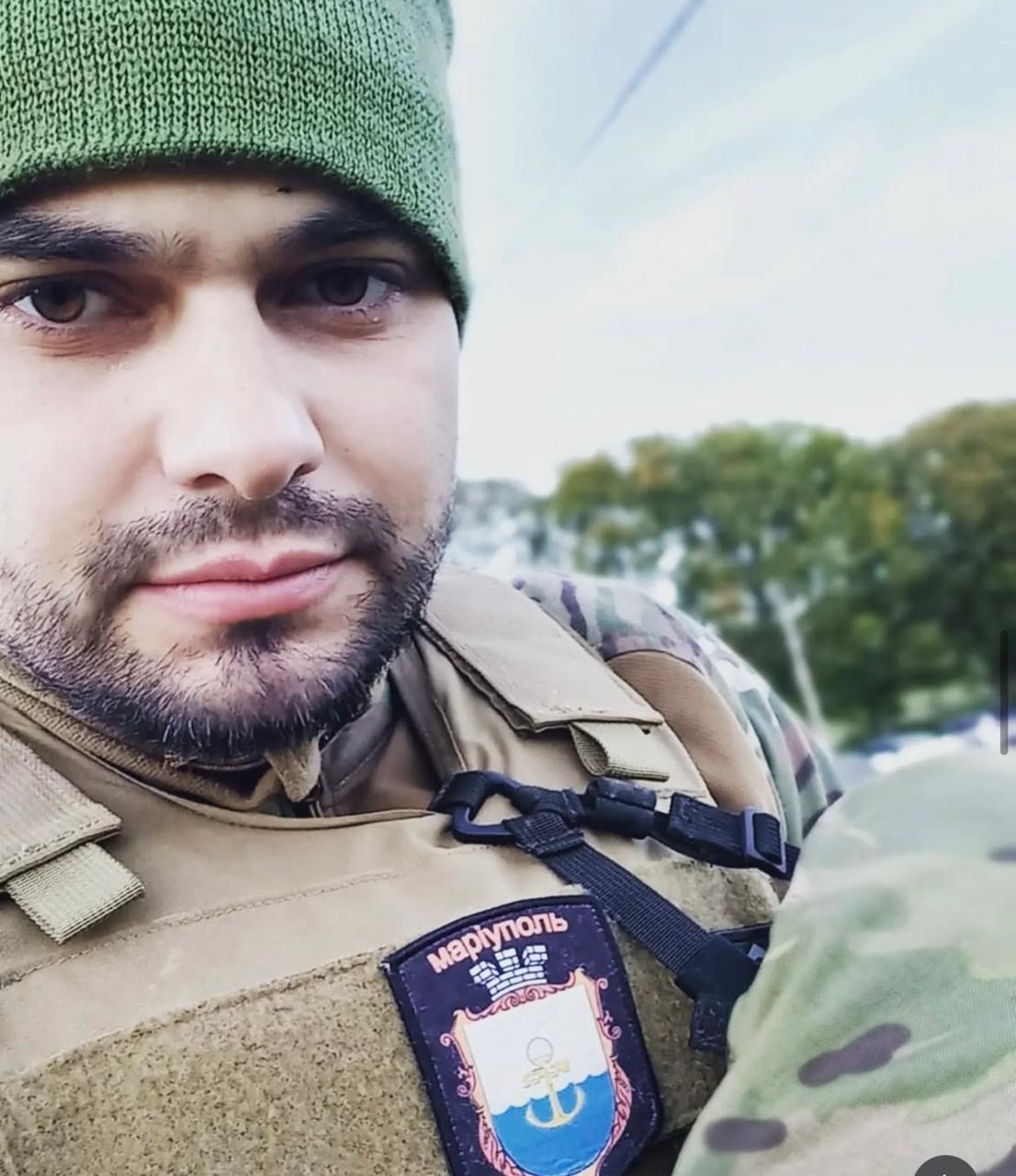
First Lieutenant Andrii Kiianenko, Hero of Ukraine, is currently the deputy commander of the 2nd Assault Battalion of the 425th Separate Assault Regiment "Skelia." He received the call sign "Marik" from his comrades during training—in honor of his hometown, Mariupol. A city that in the spring of 2022 endured one of the most horrific episodes of modern warfare and has been under occupation for four years now.
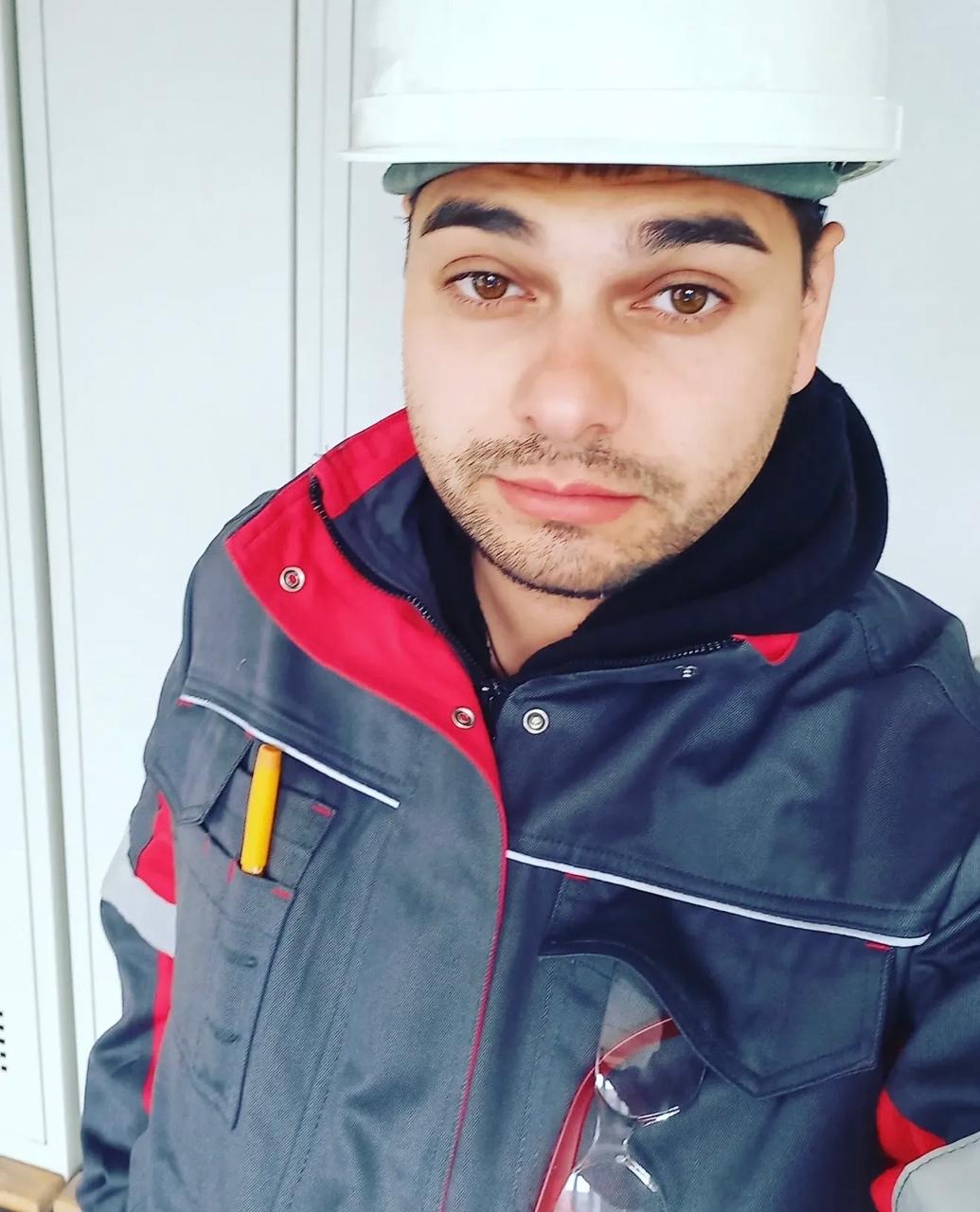
It was there that he spent his childhood and youth, and began a career that had nothing to do with military service. Before the full-scale invasion, Andrii worked at "Azovstal", but russia’s attack radically changed his life: after what he went through in Mariupol and the death of his two brothers, he decided to join the defence of his country. He trained in the UK, served in the 95th Separate Airborne Assault Brigade, and then joined ‘Skelia’ – a unit currently at the centre of much debate.
- You were born and raised in Mariupol. I imagine you also follow the news from there, particularly the Russians’ accounts of how they are rebuilding the city. But we know perfectly well what its real condition is. What do you think when you see or hear this?
- I try not to follow it, because it’s very hard to take in what’s happening to my hometown right now. Before the full-scale war, it was completely different. You can see that even from what the Russians are showing. On social media, I see from former acquaintances that everything there is completely different.
What they’re saying now about rebuilding the city isn’t entirely true. A significant part of Mariupol is still in ruins. They’ve only rebuilt the centre, and nobody’s really doing anything about the ordinary neighbourhoods on the outskirts.
- Is your house destroyed?
- Yes. A shell hit my house four days after the invasion began. It suffered serious damage. My mother’s flat was completely burnt out. Basically, there’s practically nothing left there that’s intact.
- Are any of your relatives or friends still in the city?
- Quite a few. Only three relatives have left for unoccupied Ukrainian territory.
Actually, my third cousin was defending "Azovstal" at the start. He was a border guard. He was killed in Olenivka by shrapnel wounds. If you type his surname into an internet search, you can find information. We have the same surname. There’s information there that his body was taken to western Ukraine, where he’s buried. My other brother was killed in the Donetsk region. He’d been serving with "Azov" since the start of the war. And most of our relatives, basically, stayed in Mariupol. You see, all this came as a complete surprise to us. Nobody knew the war would turn out exactly as it did. We were constantly living to the sound of shelling, hearing explosions and artillery fire all the time. And when the full-scale invasion began, everyone thought: it’ll all be over in a day or two and the sides will come to an agreement. But it turned out that we’ve been at war for four years now. Before the war, I hadn’t planned on joining the military. I’d never even thought about it. But after what I saw, I realised: we have to fight this, because they might go further and further.
- Before the full-scale invasion, you worked as head of the transport department at "Azovstal", is that right?
- That’s right. I have a university degree. I worked in the blast furnace section at "Azovstal" and was involved in logistics. Essentially, that involved rail transport. It mainly involved transporting molten metal to the converter furnaces.

- You stayed in Mariupol for a month after the attack. How did you manage to get out?
- We were in the western part of Mariupol. There was heavy shelling there the whole time. Nobody expected it to drag on like this, so we hadn’t stocked up on water, food or anything else we might need. Our house was hit. My car was burnt out, along with all my belongings. I left with practically nothing. There was no mobile signal, no electricity. Nothing at all! The only thing working was word of mouth – what, where, how. And then a neighbour said one day: ‘We need to leave, because apparently there’s going to be an evacuation’. As far as I understand now, there was no official agreement on an evacuation at the time, and it probably wasn’t even planned. People simply started gathering and leaving at some point. The shelling was a bit less intense then. Most of the Mariupol residents who managed to leave were moving in huge convoys. There were thousands and thousands of people. There was only one exit from Mariupol – towards Berdiansk. As far as I can recall now, there wasn’t a single checkpoint on the way there. What I saw on the road, I now assess differently, as a soldier. At the time, I didn’t understand what was happening. Even when we reached Urzuf in the Donetsk region, I didn’t see a single Russian soldier. I saw my first Russian in Berdiansk. It was a checkpoint at the entrance to the city, where they started checking documents. But I somehow slipped through without them even looking at mine.
- You were lucky?
- Yes, just lucky. Because if they’d started checking, there would, of course, have been a lot of questions. Because I have a tattoo. I think they would have grilled me for ages. But as it was, I managed to get to my relatives in Berdiansk, where I spent the night.
At the time, I was offered the choice of either travelling to Europe via Crimea – as that route was still open and many people were using it – or heading to the unoccupied territory, to Zaporizhzhia. I immediately decided for myself that I wanted to stay in Ukraine.
We got into the car and set off from Berdiansk towards Vasylivka. There were about fifteen or sixteen checkpoints along the way. At each one, there were thorough checks. They searched the car from top to bottom and scrutinised the documents. As far as I can recall, there were representatives of various units of the Russian Federation – the so-called ‘DPR’, the so-called Chechens, and a generally incomprehensible motley crew of people who were on russia’s side at the time. It took us about nine hours to pass through all these checkpoints and reach territory controlled by Ukraine.
- Did you get a job at the "Kamet-Steel" plant in the Dnipropetrovsk region. How long did you work there?
- About three months. Then I realised I had to do something about it. Back then, the military recruitment offices weren’t really operating as actively as they are now. A lot of people were signing up as volunteers. I decided for myself that I wanted to defend the country and, at the very least, get back home. So I simply wrote a letter of resignation and went to the military recruitment office in Dnipro.
- Which unit were you mobilised into? Did you go straight to "Skelia" or not?
- No, not straight away. I actually have quite an interesting story. I spoke to the military recruitment office and said I wanted to join the army. But they didn’t want to take me for a long time. They only took me on the fourth attempt. I went through a Security Service check, a lie detector test. They were surprised that a man from Mariupol, who had fled the occupation, now wanted to go and fight. I don’t know why that was. However, it so happened that they checked me for a long time. Eventually, they sorted out all the issues, and I was sent to the 199th Training Centre of the Airborne Assault Forces. There was a commission there too. Then they gathered us together and told us that our training company and another one were going to the UK for basic military training. We stayed there for a month and a half. We were trained by Australian instructors. The training was decent. Yes, everything was by the book, by the standards. The atmosphere itself wasn’t military. I suppose it relaxed us more than it put us on edge. We didn’t live in a state of constant nervous tension or anxiety.
We returned to Ukraine and, in principle, were ready to be assigned to units. By the way, at our training centre there was no AWOL, nothing of the sort at all – everyone was set on fighting. We were offered the following: anyone with a higher education could submit an application to join the officers’ school in Odesa. I wrote it and forgot about it. We arrived in Zhytomyr. The next day was supposed to be the allocation. And there we were standing in formation when suddenly they called out my surname and told me to step aside. Out of about two hundred of us, they singled out about ten. The rest were being allocated to brigades; they would be told where each was going. And we stood there wondering: where are we going? In the end, they told us: "Get ready and tomorrow you’re off to the officers’ school." And so, without even having fought and without really knowing what war was, after basic military training I found myself in Odesa. We trained there for about forty-five days. After finishing, having been awarded the rank of second lieutenant, I returned to Zhytomyr. There, the allocation to the Airborne Assault Forces brigades was already underway. I ended up in the 95th Separate Polissia Airborne Assault Brigade. We were sent to Lyman, where our permanent deployment site was at the time. I became a platoon commander in one of the battalions. And that’s when the most interesting part began. I volunteered for a combat mission myself, just to gain some experience. After all, if you’re leading people, you need to understand what you’re telling them, what war actually is. So the very next evening after arriving, I went on my first combat mission – to evacuate the ‘two-hundreds’. We had to collect five bodies straight from the village of Terny. In my opinion, it was a very interesting experience. Back then, the war was completely different from how it is now – there weren’t so many drones, and reconnaissance wasn’t as advanced. Now I realise that we got into that ‘zero’ position – the immediate front line – relatively easily back then. But when the bastards saw that we were collecting the bodies and getting ready to leave, it started – they pelted us with mortars and artillery. The shells were landing very close by. On that very first sortie, I suffered a concussion and realised what war really is. I suppose that was when I realised I liked it. After that, there were many different sorties – assaults, defence, evacuation.
- And how did you end up with ‘Skelia’?
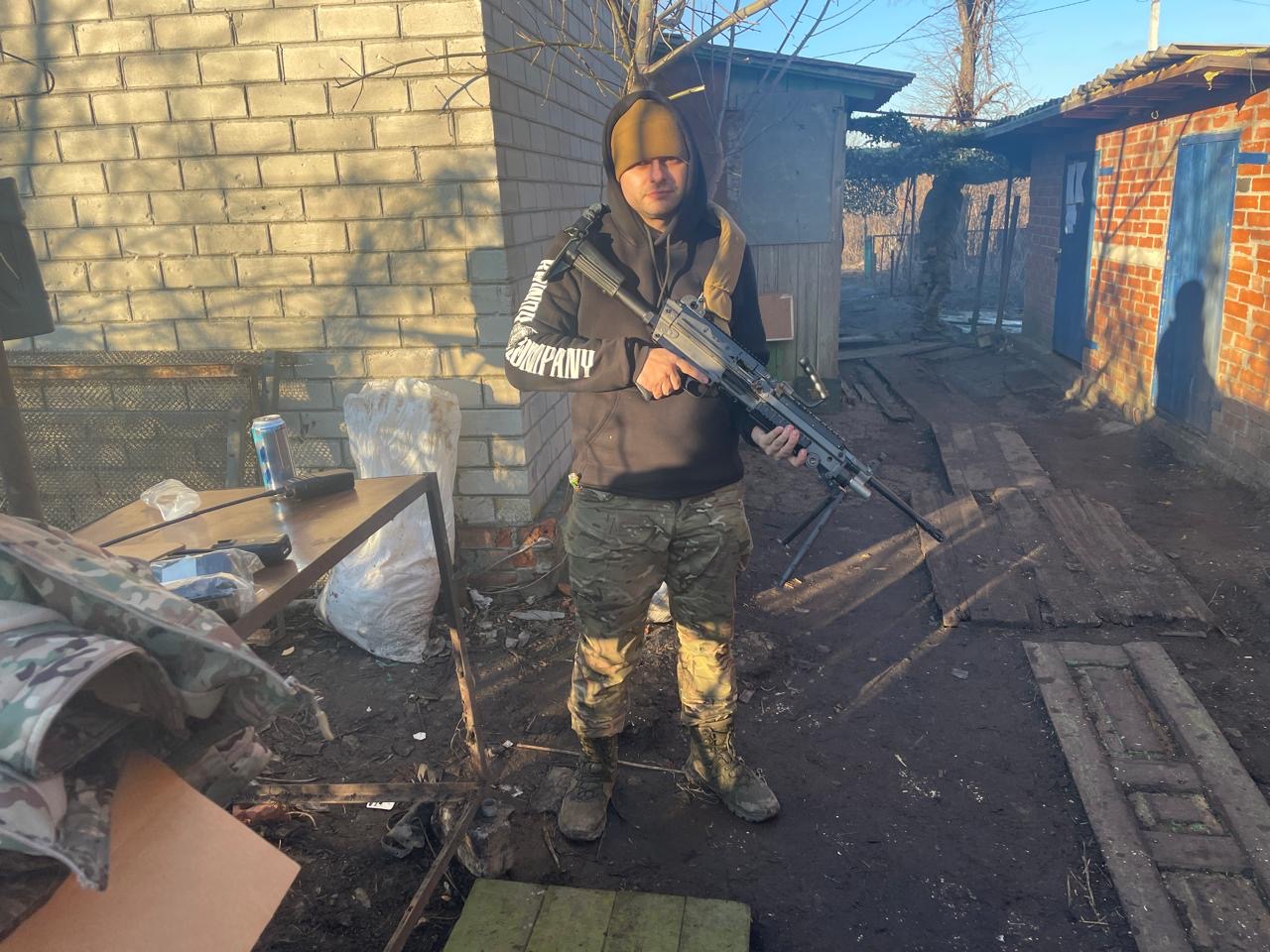
- At the end of 2024, I met an officer from the 425th unit. I had a chat with him. He made an offer, and I accepted. Back then it was still a battalion, not a regiment – about 400 people. So I went for an interview with our commander, Yurii Vasylovych. We had a proper chat. He told me his story, and I told him mine. He looked at me and said: "No, Marik, you’re not meant to be a platoon commander, but a company commander. Give it a go – take the first assault unit." I went through officer training, but alongside my own soldiers. And literally within two weeks, we were out on a combat mission. Our first deployment was to Myrnohrad. After that, I just got stuck into the work. And by 1 January 2025, we had grown into a regiment. I transferred to the second assault battalion, became commander of a fire support company, and we went out on a recovery mission. We recruited people, and preparations for combat operations lasted about a month and a half. Our first deployment as part of this battalion was in the village of Pishchane, Donetsk Oblast. It’s a little further on from Pokrovsk. We completely cleared this settlement in four days. We operated according to the plan prepared by our planning department. Back then, it was still possible to boldly drive four companies of vehicles right up to the houses and simply clear out the enemy. He simply didn’t understand what we were doing to him. We eliminated a large number of them. For this achievement, I was nominated for the title of Hero of Ukraine.

- And how did you find out that you were to receive this award?
- From the commander. He’s always with us and keeps abreast of everything that’s happening – he sees who’s doing what, he notices everything. We were in the middle of combat operations at the time. We were sitting there – there was some sort of meeting at the command and observation post. The commander walks in, says hello and asks me: "How are you? Is the job done?" I replied: "Yes, everything’s done." I told him about my future plans and intentions. He said: "We’ve nominated you for the title of Hero of Ukraine." That was about a day before the official announcement of the award. So it turned out that after four months with ‘Skelia’, I became a Hero of Ukraine.
- What does that mean to you?
- First and foremost, it’s a huge responsibility towards the troops and towards the commander. When a soldier comes to me, he always talks about his life story and his achievements in the war. I have a very big responsibility towards my men. I have to set an example for them, to motivate them. If the lads are motivated, it’s a completely different job and attitude towards people.
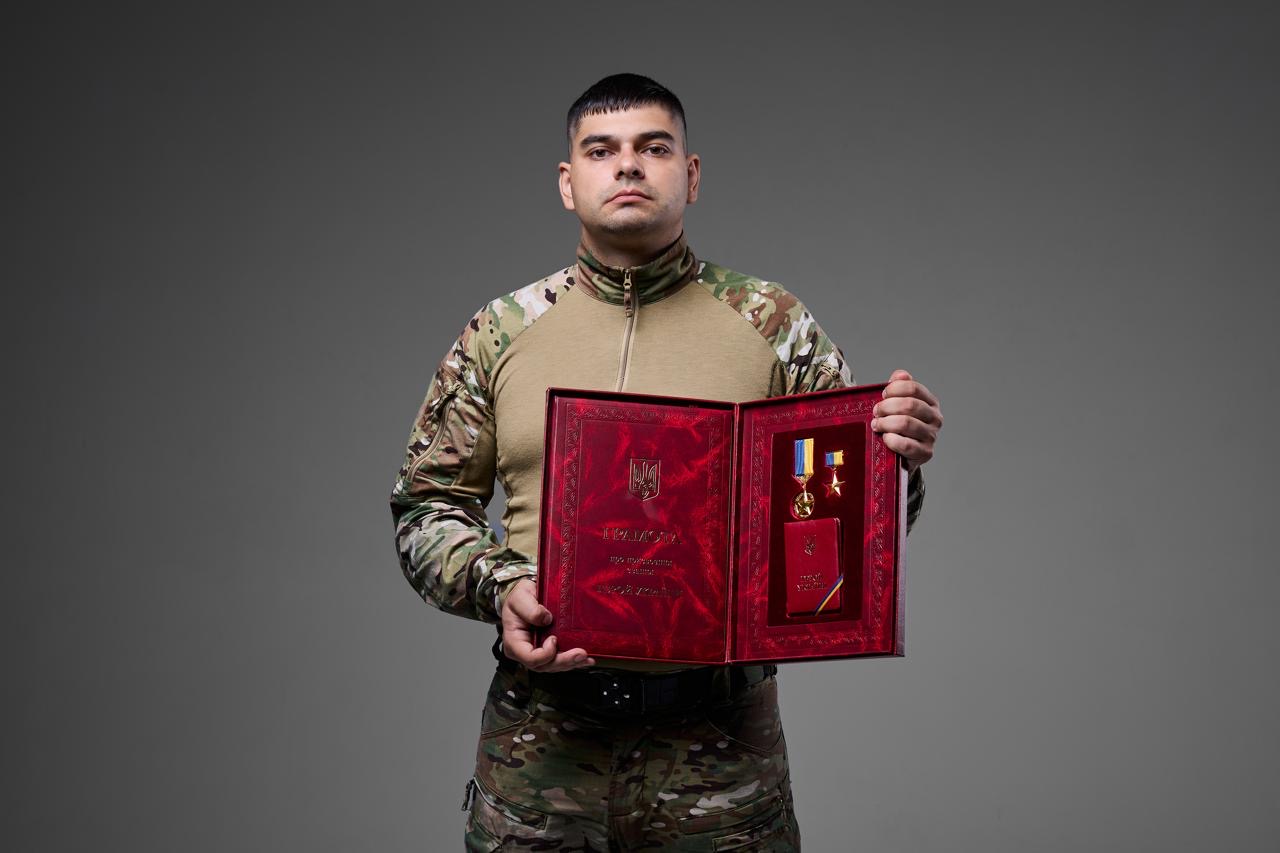
After the award, there were still many deployments and combat missions – Sumy, Kharkiv, Pokrovsk itself, Novotoretske. My company operated in all these areas.
Last September, when we were already withdrawing from the Pokrovsk area, my commander appointed me deputy commander of the second assault battalion. That’s the role I’ve been fulfilling ever since. First and foremost – combat operations, working with the personnel and their training.
- And where was it the hardest? In Pokrovsk?
- No, not in Pokrovsk. The hardest part was probably on the Sumy front. And now we are in the village of Ternove, which is very interesting from the point of view of planning, preparation and execution. As I am the deputy battalion commander, I was one of the people who planned this operation and carried it out. What appealed to me most was the process of carrying out the work at this level. You think about everything: not just the safety of the personnel and planning, but also reconnaissance and all the possible aspects involved in modern combat operations.
- Are you referring to the 19-kilometer breakthrough by "Skelia" during the liberation of the village of Ternove?
- Yes, that’s the operation I’m referring to. As I said, we are currently operating in the same area. We are continuing our work. You will find out many more interesting details later, but not now – I cannot yet disclose certain aspects of the ongoing operation. We have already advanced more than 19 kilometres, but more on that later.
- When you were liberating the village, how did the enemy react? What was the key to your success? Did you catch them by surprise?
- Yes, it was largely a matter of surprise. They have intelligence too, but for some reason they thought we’d go for Berezove – they were focusing on that. But things turned out differently for us: at a certain point we slipped through and suddenly headed off in the other direction, which took them by surprise. They were building their defences in one place, but we broke through the first line and very quickly entered Ternove itself. They simply didn’t know what to do. They had a command post there, UAV operators, a company command post, and a whole bunch of officers. And we just drove right in. You know, when stormtroopers fly in, their little officers get a bit flustered.
- And in general, how would you describe the enemy? Has he changed during the time you’ve been fighting?
- We’re changing, and so is the enemy. Things are constantly changing in war. If we were to fight in the same old way, it would be like in the Second World War, when people charged at each other with sticks. But no. Technology is changing, and we’re adapting to it. We’re now using more UAVs – FPV drones, reconnaissance, and bombers, which are actually a very powerful tool. You could call it the discovery of the century. It’s simply out of this world! They help us a lot. The bastards aren’t using them. They have a large number of FPVs, but no reconnaissance of their own. From what I’m seeing in the intercepts, they have a serious shortage of ‘eyes’…
- What about the ‘Orlans’ and ‘Lancets’?
- That’s different, because they operate at long range. I’m talking about close-quarters combat. Yes, they have plenty of FPVs, but not that many ‘Mavics’.
Generally speaking, there are a few good reconnaissance drones in the world, notably the ‘Mavic-3’, and now the ‘Mavic-4’. But what do the Russians have? Mostly Chinese ones. And, as I say, they’re given more FPVs. But they're having a hard time with intelligence. They have no bombers at all.
- Military personnel from various units have told me that the Russians are very afraid of our ‘Vampires’.
- Yes, the ‘Vampires’ are simply unrivalled! A very powerful asset for us.
- How are things with supplies in general? They say everything’s fine.
- We’re doing very well. When people arrive, they often can’t believe that I always have three or four drones in reserve. Specifically ‘Vampires’, which are stored in the battalion’s warehouse. They say: ‘It can’t be!’ I reply: ‘Come on, I’ll show you.’ I open the garage, they look and still can’t believe it.
You see, we demonstrate everything in practice. For instance, last night two of my drones were shot down, and right now, as we speak, new ones are already in position. Another request has been sent to the regiment’s depot. And there’s still a reserve in the battalion’s depot. It’s the same with my ‘Lelekas’. In my unit, we have a ‘Leleka’ that carries out long-range reconnaissance. About two weeks ago, I lost three of these ‘birds’ in a single day. But I hit the enemy so hard that they effectively retreated after that.
- People are saying that ‘Skelia’ is very well-supplied because you’re supposedly ‘Syrskyi’s regiment’. I think you know that your assaults are often called ‘meat grinders’. How do you feel about your unit being criticised like that so often?
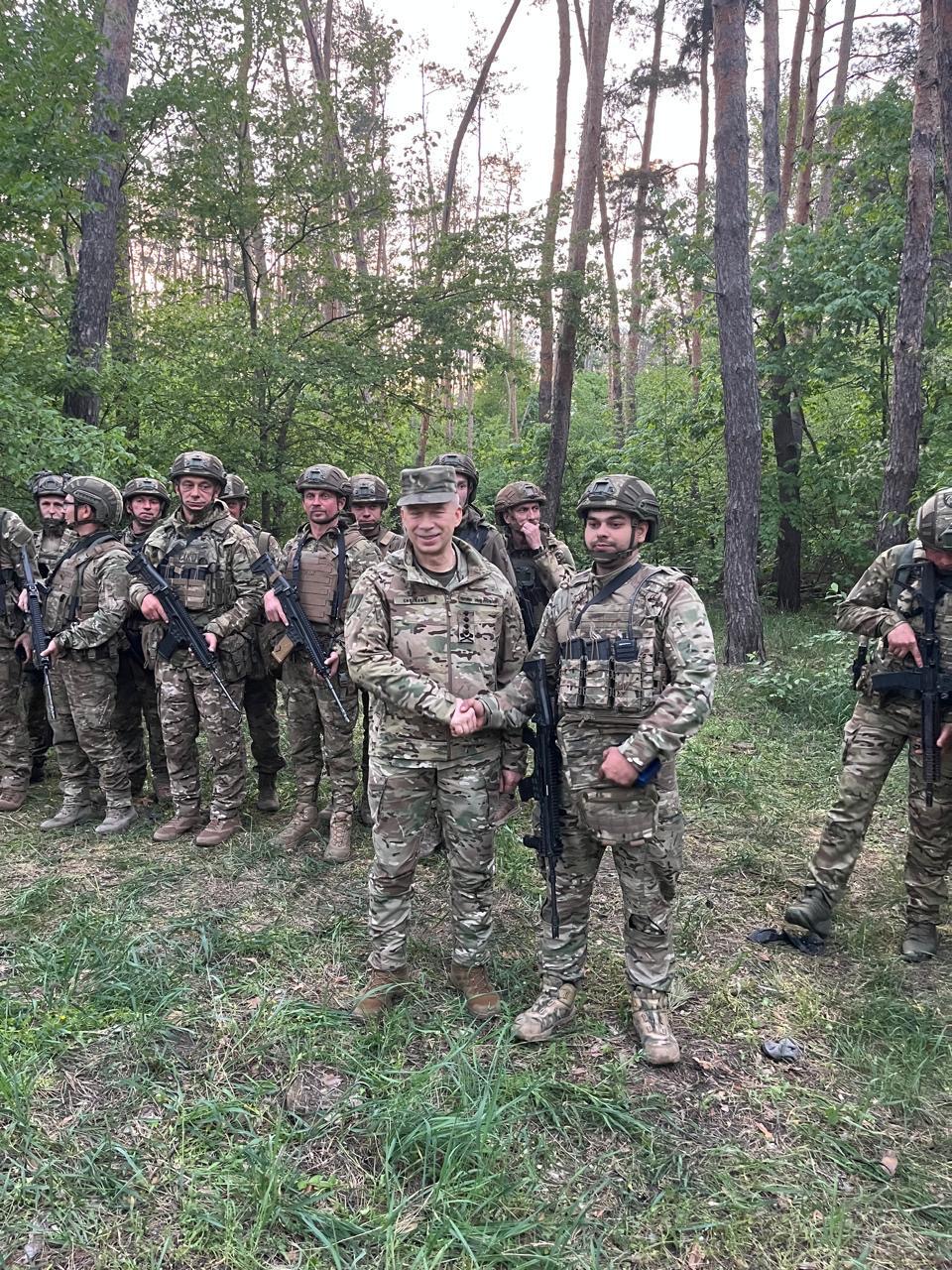
- Criticism isn’t always objective. We’re constantly carrying out our combat missions on the front line. And when you do that, it’s not just our press that takes notice, but the enemy’s too. Everyone knows about that bastards' PSYOP. And, of course, the bastards' media are waging a campaign against the Ukrainian army. And what they report doesn’t match up with reality. I’m doing my job. I don’t have the losses they’re talking about. I don’t! My losses are the same as those of other brigades. It’s just that I’m doing my job, whilst some units are abandoning their positions. That’s important to understand too.
And when someone criticises our assaults or whatever, let them come and show how it’s done. Let them do this job! Often, they don’t tell the truth.
- In April, I recorded an interview with Bohdan Krotevych. We spoke about casualties in the war. He also mentioned your unit. I’ll quote him: "The commander of one of the brigades writes to me that he’s being given up to 40 soldiers this month, whereas ‘Skelia’ was given a thousand in a month. He says: ‘If I’d received that many, I wouldn’t have asked for reinforcements for a year.’ Those are his words – I can’t confirm it one hundred per cent because I don’t have the documents, but I believe him."…
- And how many positions did that commander lose in the process? What was he doing in general?
- What I’m getting at is that it’s not just the Russians who are talking about you, but the Ukrainians too…
- I’m not interested in Krotevych. I don’t look at him or other figures, but first and foremost at myself. I am responsible only for my own actions. I cannot objectively assess Krotevych because I don’t know that man. I’m not aware of how he works or how he behaves. So I can’t speak about him. In war, it is generally very difficult to make judgements. History will later show who acted how, and what judgement they receive. I cannot say that some of us are good and others are bad. I repeat: I can only answer for myself.
- But it’s not just the media or Krotevych who are talking about you, but also official figures. In particular, the deputy military ombudsman, Ruslan Tsyhankov, stated that there have been recorded cases of personnel being beaten at ‘Skelia’. What do you have to say to that?
- How do you picture the beating of personnel? So there’s a company standing there, and I’m beating the whole lot of them on my own? I simply don’t understand how that’s physically possible. I just can't figure it out. How does he picture it?
- Let’s imagine a situation where a soldier refuses to go on an assault, knowing he will die, and is beaten for it.
- Then I’ll paint a different picture for you. How does a recruit know what the assault will be like? He might simply not want to go. Just as, generally speaking, we have different situations in our country right now. For some reason, four years ago, I picked up an assault rifle myself and went forward. But there are people today who don’t even want to defend their own families. However, if he doesn’t do it, the bastard will come to his home and kill his relatives and friends just as he did to some of mine. And then he’ll be crying that his loved ones have been killed – his mother, father or, God forbid, his child. We can discuss this at length, ponder the issue, but, unfortunately, that is the reality.
Another problem is that our press doesn’t always give the army the support it needs. Often, information is presented without any understanding of the context – they’ve heard something, someone’s said something, as if someone beat someone up, and it’s immediately treated as fact. But they haven’t fully got to the bottom of the situation, they haven’t heard all sides, and it seems as though that’s exactly how it happened.
I can only speak for my own personnel – for what happens in my unit. In all the time I’ve been at ‘Skelia’, over the past year and a half, there hasn’t been a single beating or a single incident that’s been reported anywhere. And it’s not even that it was reported – it simply didn’t happen!
As for what happens in other units, I cannot comment. I don’t know what goes on there. I am only responsible for what I see within my own team. My entire management team consists of former assault troops who have been on combat missions. We are constantly at war. A person is judged by their actions, not by Krotevych or anyone else.
- But Tsyhankov is, after all, a representative of the state. He also mentioned complaints from the relatives of soldiers in your regiment that they have no access to telephones. It’s clear that this is a security issue, but as I guess they don't have any connection at all, or what?
- You know, when I, as an officer, joined the unit, arrived at the training ground and handed in my phone, I also had an inner question at the time: why did I do that? But now I understand: if there is a concentration of personnel and 20–30 signals are switched on at the same time, that’s already a target.
Of course, I understand the families of servicemen. They worry terribly about their loved ones. And my family worries about me just as much, because I’m with my troops all the time. But I can’t allow myself to be glued to my phone or read the news. I’ve no time for the internet. I’m at war. I have to analyse the enemy and get on with the job. If we don’t do it, no one else will. Of course, the soldiers’ families would like to get in touch more often. But with the constant flights of ‘Shaheds’, ‘Iskanders’ and that f#cking reconnaissance, we can’t afford that luxury. We’re soldiers. It’s a matter of life and death. Switch on your phone today – it’ll be here tomorrow.
- The Russians have been shelling rear cities very heavily of late. It is often discussed in the press that russia is not achieving significant success on the battlefield, so it is taking it out on civilians in this way. Commander of the Third Army Corps Andrii Biletskyi recently stated that russia has failed in its spring campaign. And Ukraine’s achievements in May, he said, will be greater than Russia’s. What do you say? How do you see the situation on your section of the front?
- I think there’ll be a big surprise for the Russians on our section. Much more interesting than the breakthrough we made last time. They’ll have a laugh. But for now, for obvious reasons, no details.
Generally speaking, we’re constantly preparing surprises for them. If you follow our unit, you’ll know: we always do the unexpected. Wherever it’s hardest, that’s where ‘Skelia’ is. And whatever anyone says, our unit is always in those places where others simply can’t cope. By the way, at the moment we’re working alongside the guys from the Airborne Assault Forces, who are doing a massive amount of work, just like us.
- You’re in Donbas, which just won’t give the Russians any peace – they’re constantly announcing new dates for when they plan to capture it. They’ve been talking about this again recently. The Institute for the Study of War writes: the Russian military command is assuring the kremlin that it is capable of fully occupying the entire Donbas by autumn. What do you think of these latest intentions of theirs?
- I’ve been waiting for this since 2014. And I don’t see them ‘capturing’ anything. They’ve been trying ever since, but nothing’s working out for them.
- Even during the so-called negotiations, the Russians issued an ultimatum demanding that we hand over Donbas. But we realise that they won’t stop there – they’ll go on to demand other regions, won’t they?
- Of course! What else will we have to hand over to them next? The Vinnytsia region? The Zhytomyr region? Why on earth do we need all this?!
- Do you think about how much longer the war might last?
- No, I don’t. I have one very strong desire – to go home. And for that to happen, you can’t just think or dream, you have to do something. When I go home, that’s when the war will end.
Olha Moskaliuk, "Censor.NET"
Photos provided by Marik


