



Commander of 3rd Battalion of 225th Separate Assault Regiment Ivan Kozin (Kotelva): 225th Regiment saved Zaporizhzhia, while enemy lost two fully staffed regiments near Huliaipole
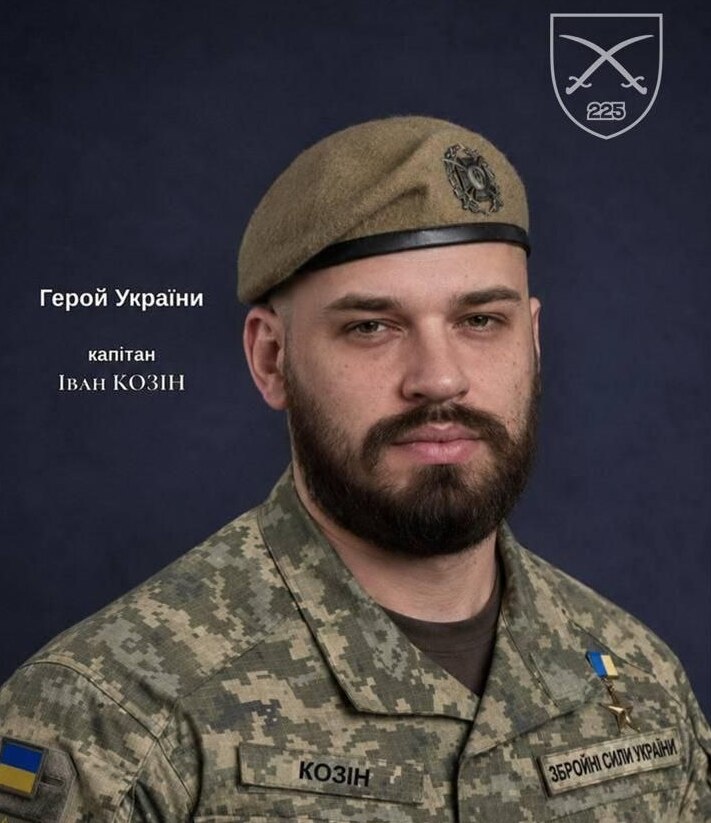
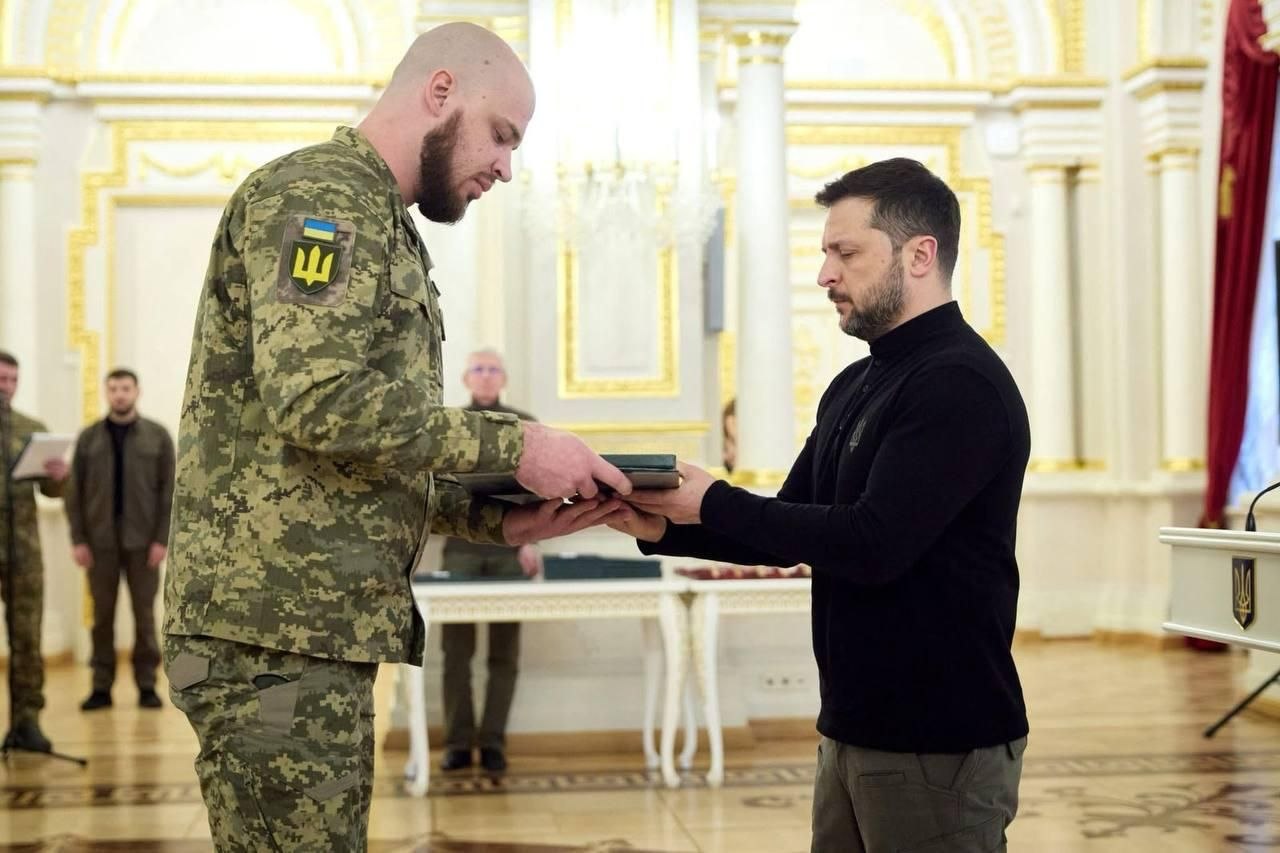
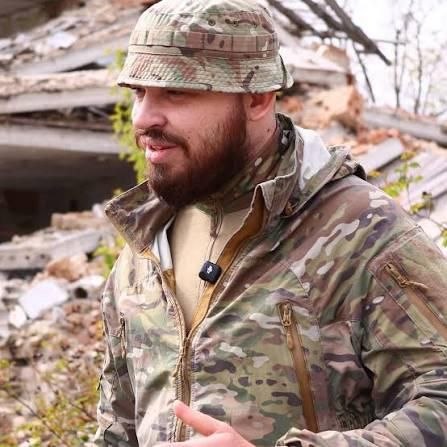
There is much discussion today about assault regiments and whether the army needs them. President Zelenskyy created the Joint Rapid Reaction Forces within the Ground Forces, comprising five assault regiments: the 1st, 33rd, 210th, 225th and 425th. Dmytro Voloshyn was appointed their commander, an officer who served in the Anti-Terrorist Operation and fought in Huliaipole, Bakhmut, Kherson and the Kursk operation, and who commanded the 82nd Separate Air Assault Brigade. We spoke with Ivan Kozin (Kotelva), commander of the 3rd Battalion of the 225th Separate Assault Regiment. In 2025, this regiment eliminated more than 14,000 Russian troops and remains one of the most effective units in the Armed Forces of Ukraine. Kotelva is a Hero of Ukraine and the only Ukrainian serviceman to have been awarded the Cross of Military Merit three times. In the interview, he spoke about the fighting in the Zaporizhzhia sector, Russian crimes, the effectiveness of the 225th Separate Assault Regiment and the challenges facing assault regiments.
There are currently attempts to discredit the assault regiments and, through them, the Armed Forces of Ukraine. What can you say about this?
I can speak only about the experience of the 225th Separate Assault Regiment. We are deployed to the most difficult sectors to halt breakthroughs, retake positions and stabilise the front. Every such operation involves reconnaissance, artillery, drones, headquarters and logistical support. The notion that assault regiments fight solely through frontal attacks does not reflect reality.
We do not engage in politics — we carry out orders. Unfortunately, the army today is often criticised by people who have never been to the front. War means carrying out an order even when doing so puts lives at risk.
If a unit fails to accomplish its mission or abandons its positions, the enemy will break through, and the losses will be far greater. This is the brutal reality of war.
There was a lot of talk about the events in Zaporizhzhia, when the Territorial Defence Forces abandoned their positions. There was even talk of harsh measures being used against them. What actually happened at the time?
We were carrying out a combat order. The regiment was deployed there precisely because it had the necessary experience in stabilising the most difficult sectors of the front. We had already carried out similar missions, and in 2024 we were the first to breach Russian defences in the Kursk sector. Regiment commander Oleh Shyriaiev was awarded the title of Hero of Ukraine for that operation.
Our mission was to halt the enemy’s advance, eliminate its assault groups and stabilise the designated sector. If anyone has complaints about the performance of the 225th Regiment, we are prepared to respond with facts.
A unit should be assessed based on the missions assigned to it and the results it achieves.
When we arrived in the Zaporizhzhia sector, the enemy had already changed its tactics: instead of large-scale mechanised assaults, it was using numerous small infantry groups that infiltrated between positions, massed in the rear and operated simultaneously under the cover of artillery, aircraft and drones.
Some Territorial Defence Forces positions were lost under intense enemy pressure. It would be unfair to those who fought under fire to say that everyone simply fled. At the same time, the unauthorised abandonment of certain positions resulted in the loss of a command post containing documents and communications equipment, which seriously complicated the defence.
Some Territorial Defence Forces troops lacked the combat experience needed to counter these enemy tactics. At the same time, the key issues concerned command and control, coordination, the deployment of reserves and whether commanders made timely decisions. These matters should be assessed by the competent authorities.
The 225th Separate Assault Regiment did not come to punish Territorial Defence Forces troops. Our mission was to stabilise the front, share combat experience and establish effective coordination.
Had the 225th Regiment not stabilised the situation after Territorial Defence Forces troops abandoned certain positions without authorisation, the enemy could have reached the outskirts of Zaporizhzhia as early as March or April.
As a result of desertion by Territorial Defence Forces troops, 500 Territorial Defence Forces service members and 35 assault regiment troops went missing, while many others were killed or wounded. This was the cost of the Territorial Defence Forces units’ failure to carry out the order and their unauthorised abandonment of their positions. Some Territorial Defence Forces troops were subsequently officially assigned to us for additional training and unit cohesion exercises.
The situation received widespread attention at the time, but the root of the problem was communication. The troops were not told that they were being sent for training and unit cohesion exercises. When a soldier does not understand what is happening, distrust and chaos arise. After completing their training, many soldiers and commanders from those same Territorial Defence Forces units voluntarily remained with the 225th Separate Assault Regiment. In my view, this is the best answer to the accusations.
How did you manage to hold out near Huliaipole?
We established continuous surveillance of the area of operations. Aerial reconnaissance detected the enemy, FPV drones and artillery eliminated them, while the infantry held positions and conducted clearing operations. If the enemy managed to advance anywhere, reserves were immediately committed.
According to our confirmed data, Russia’s 5th Combined Arms Army lost at least two fully staffed regiments near Huliaipole. Its plan for a rapid breakthrough was thwarted, and the sector was stabilised.
We cleared a number of positions, but we cannot yet name specific settlements, that is for the General Staff to do once the operations have been completed. Publicly, we can speak only about our operations in the Huliaipole sector, including in the areas of Kopani and Ternuvate.
After stabilising the front, are you continuing to defend Zaporizhzhia?
Yes. The 225th Separate Assault Regiment is holding its designated defensive lines, thwarting enemy infiltration attempts and preventing it from developing its offensive. Enemy losses in our area of responsibility amount to around 1,000 troops each month, not including the shelters we destroy.
Do you take many prisoners?
Yes. In 2026 alone, we have taken around 100 Russian troops prisoner. We treat them in accordance with the Geneva Conventions, providing them with food, clothing and medical care. For us, every prisoner of war represents, above all, an opportunity to bring Ukrainian defenders home.
What new crimes committed by the Russians have you witnessed?
The Russians systematically execute Ukrainian troops instead of taking them prisoner. We recently documented a case in which the occupiers beheaded one of our service members after unsuccessful attempts to breach the positions of the 225th Separate Assault Regiment. They deliberately use terror and intimidation.
What is the secret behind the effectiveness of the 225th Separate Assault Regiment?
The main reason is our personnel development system. Most of our commanders began as rank-and-file soldiers, so they understand the cost of every order. If a service member demonstrates ability and responsibility, they are given the opportunity to train, acquire new specialisations, and become a commander.
The results speak for themselves. The Unmanned Systems Battalion of the 225th Separate Assault Regiment ranked first among assault units in the DELTA system. In 2025, the regiment eliminated more than 14,000 Russian troops, while its interceptor company shot down more than 1,500 aerial targets. We were among the first to systematically integrate unmanned ground vehicles into battle management. But all these technologies serve the most important person, the infantryman holding the front line.
What are the main challenges facing assault regiments today?
The front has become far more complex. Every movement is monitored by reconnaissance drones, so even rotations require careful planning.
Assault units operate where the enemy concentrates its main forces. We often move in after the defences have already been breached, when we need to halt the enemy quickly, conduct assault operations, consolidate our positions and hold the gains.
We address these challenges comprehensively: we are developing our own unmanned units, we do not send unprepared troops to positions, and we make extensive use of unmanned ground vehicles to deliver ammunition, water and food. This reduces the risks to personnel and allows infantrymen to conserve their strength for carrying out their combat missions.
Serhii Bondarenko, for Censor.NET


